recostar
“recostar” means “to lean” in Spanish. It has 2 different meanings depending on context:
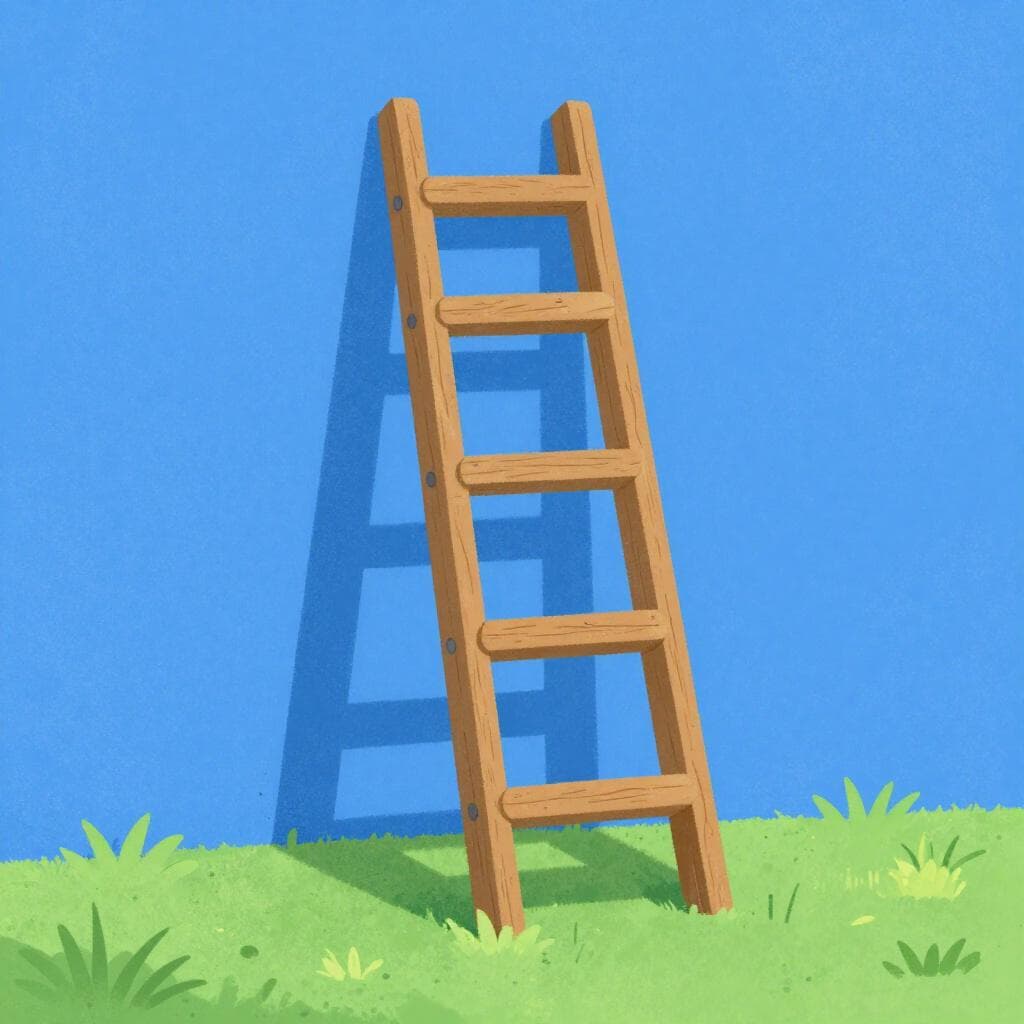

to lean
Also: to lay down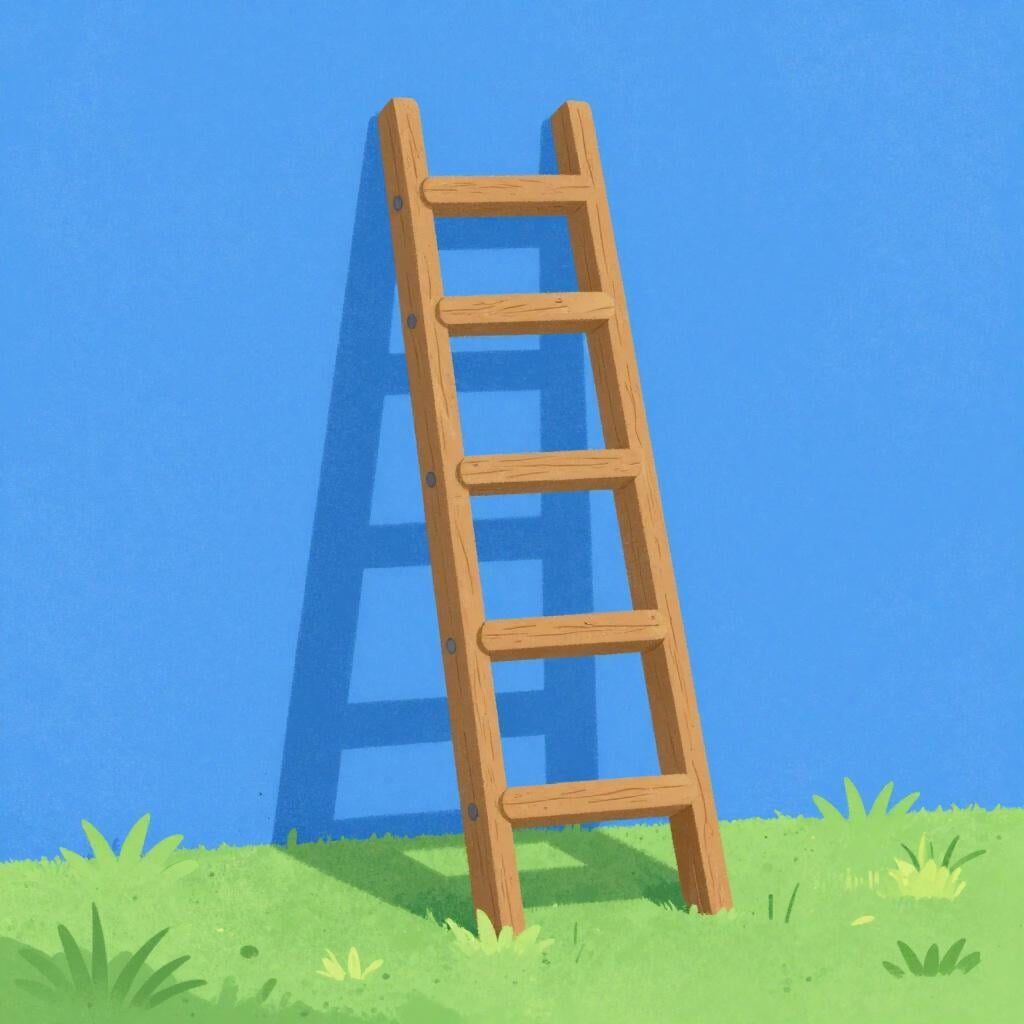
📝 In Action
Recosté la bicicleta contra el árbol.
A2I leaned the bicycle against the tree.
Ella recuesta su cabeza en mi hombro cuando está cansada.
B1She leans her head on my shoulder when she is tired.
No recuestes los cuadros contra la pared húmeda.
B2Don't lean the paintings against the damp wall.
to lie down
Also: to recline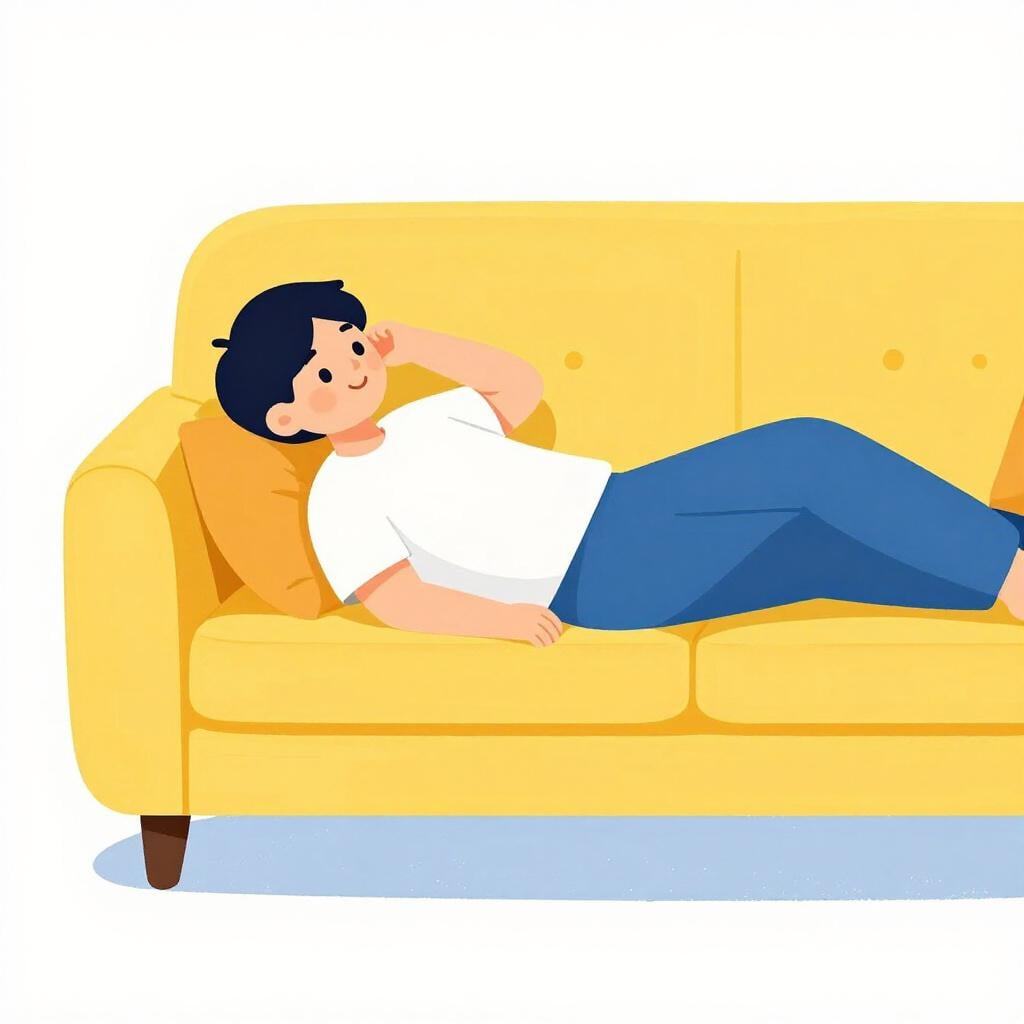
📝 In Action
Me voy a recostar un momento porque me duele la cabeza.
A2I'm going to lie down for a moment because my head hurts.
Él se recostó en el sofá para ver la tele.
A2He leaned back on the sofa to watch TV.
Después de comer, siempre se recuesta un ratito.
B1After eating, he always lies down for a little while.
Subjunctive
Imperfect Subjunctive
Present Subjunctive
Indicative
Preterite
Imperfect
Present
Translate to Spanish
✏️ Quick Practice
Quick Quiz: recostar
Question 1 of 3
How do you say 'I lie down' in Spanish?
📚 More Resources
📚 Etymology▼
From the prefix 're-' (meaning back or again) and 'costar' (from Latin 'costa', meaning side or rib). Literally, to put your side against something.
First recorded: 13th century
Cognates (Related words)
💡 Master Spanish
Take your Spanish to the next level. Read 200+ illustrated and narrated Spanish stories tailored to your level with the Inklingo app!
Frequently Asked Questions
What is the difference between 'acostar' and 'recostar'?
'Acostar' is usually for going to bed for the night. 'Recostar' is for leaning against something or taking a quick, casual rest.
Does recostar always need 'me' or 'se'?
Only if you are the one leaning or lying down. If you are leaning a bike or a ladder, you don't use the 'me' or 'se'.
Is it 'recuesto' or 'recosto'?
In the present tense for 'I', it is always 'recuesto'. The 'o' changes to 'ue'.