How to Say "to marry" in Spanish
The most common Spanish word for “to marry” is “casarse” — use 'casarse' when referring to the act of getting married yourself, or when talking about someone else getting married.
kah-SAHR-sehkaˈsaɾse
Examples
Mi hermana se casa el próximo mes en la playa.
My sister is getting married next month on the beach.
¿Con quién te casaste? ¡Nunca me lo dijiste!
Who did you marry? You never told me!
Ellos decidieron casarse después de diez años de noviazgo.
They decided to get married after ten years of dating.
The Importance of 'Se'
The '-se' at the end tells you the action is about the subject doing the action to themselves (or to each other). 'Casar' without 'se' means 'to marry off' or 'to perform a marriage ceremony' for someone else.
Preposition 'Con'
To say who you marry, always use the preposition 'con' (with): 'Me casé con Juan' (I married Juan). Never use 'a' or just the person's name.
Forgetting the Reflexive Pronoun
Mistake: “Yo caso mañana.”
Correction: Yo me caso mañana. ('Yo caso' means 'I marry [someone else] off.')
Using the Wrong Preposition
Mistake: “Ella se casó a un doctor.”
Correction: Ella se casó con un doctor. (The correct way to link the verb to the person is always 'con'.)
cah-SAHRkaˈsaɾ
Examples
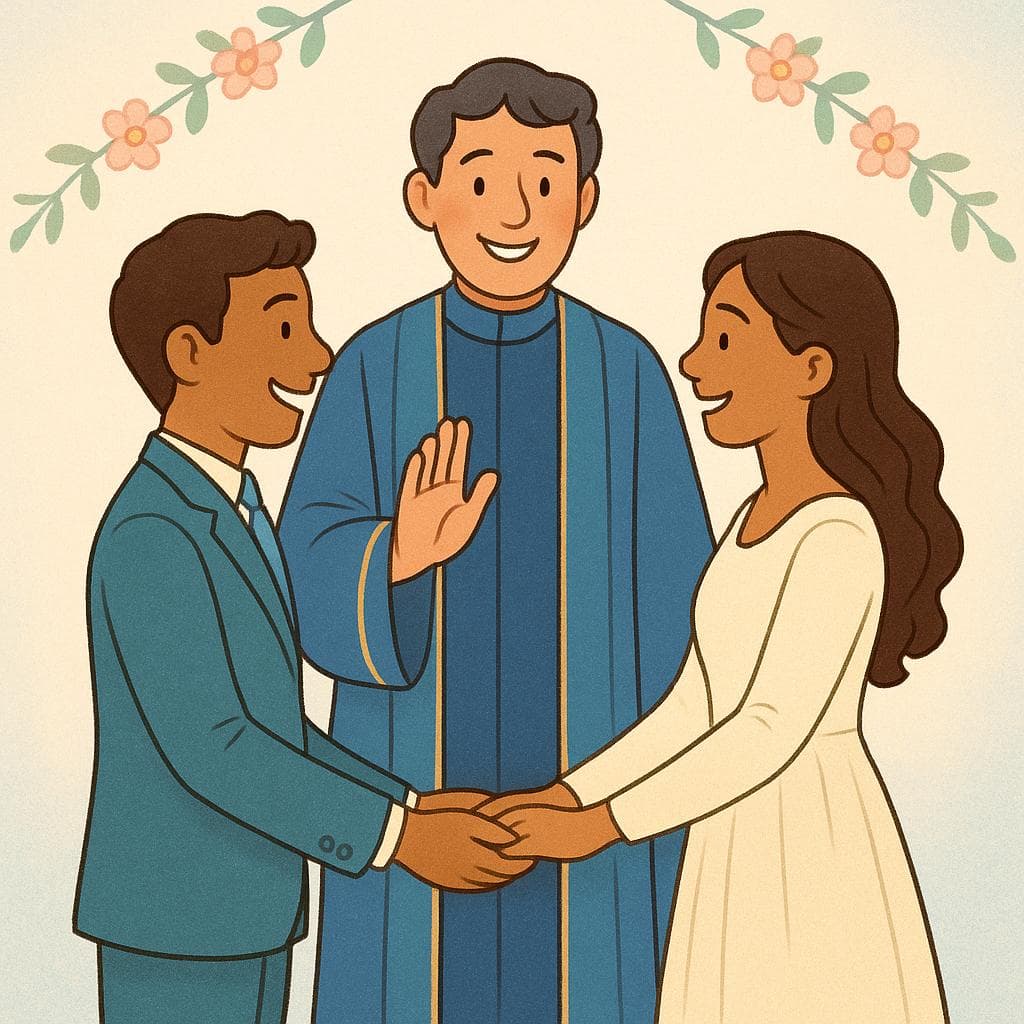
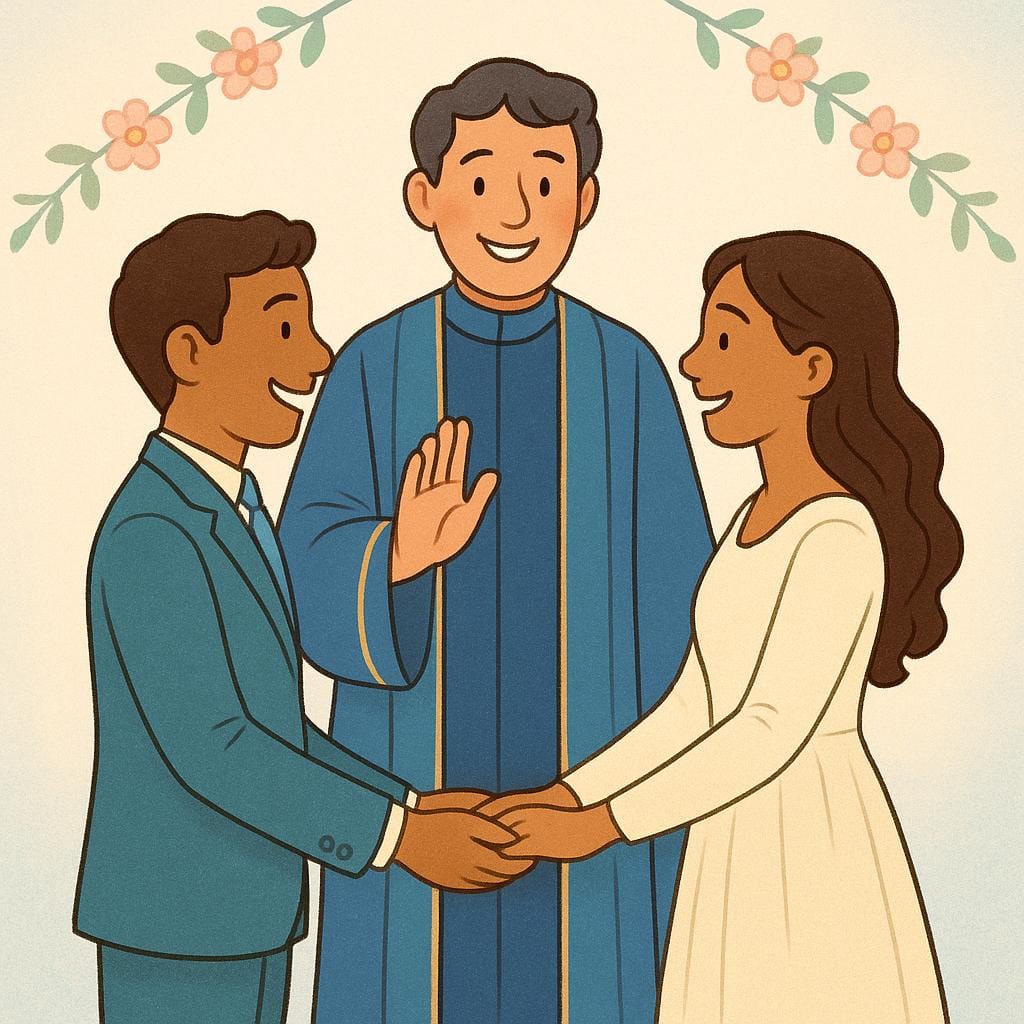
El juez casó a la pareja en el ayuntamiento.
The judge married the couple in the city hall.
Mi tío, que es sacerdote, casará a mi hermana.
My uncle, who is a priest, will marry my sister.
Active Voice
This form of 'casar' is used when the subject is the person performing the wedding, like a priest or judge.
Using 'casar' instead of 'casarse'
The most common mistake is using the verb 'casar' (to officiate) when you mean 'casarse' (to get married). Remember, 'casarse' is reflexive and refers to the act of getting married yourself.
Related Translations
Learn Spanish with Inklingo
Interactive stories, personalized learning, and more.