How to Say "understand!" in Spanish
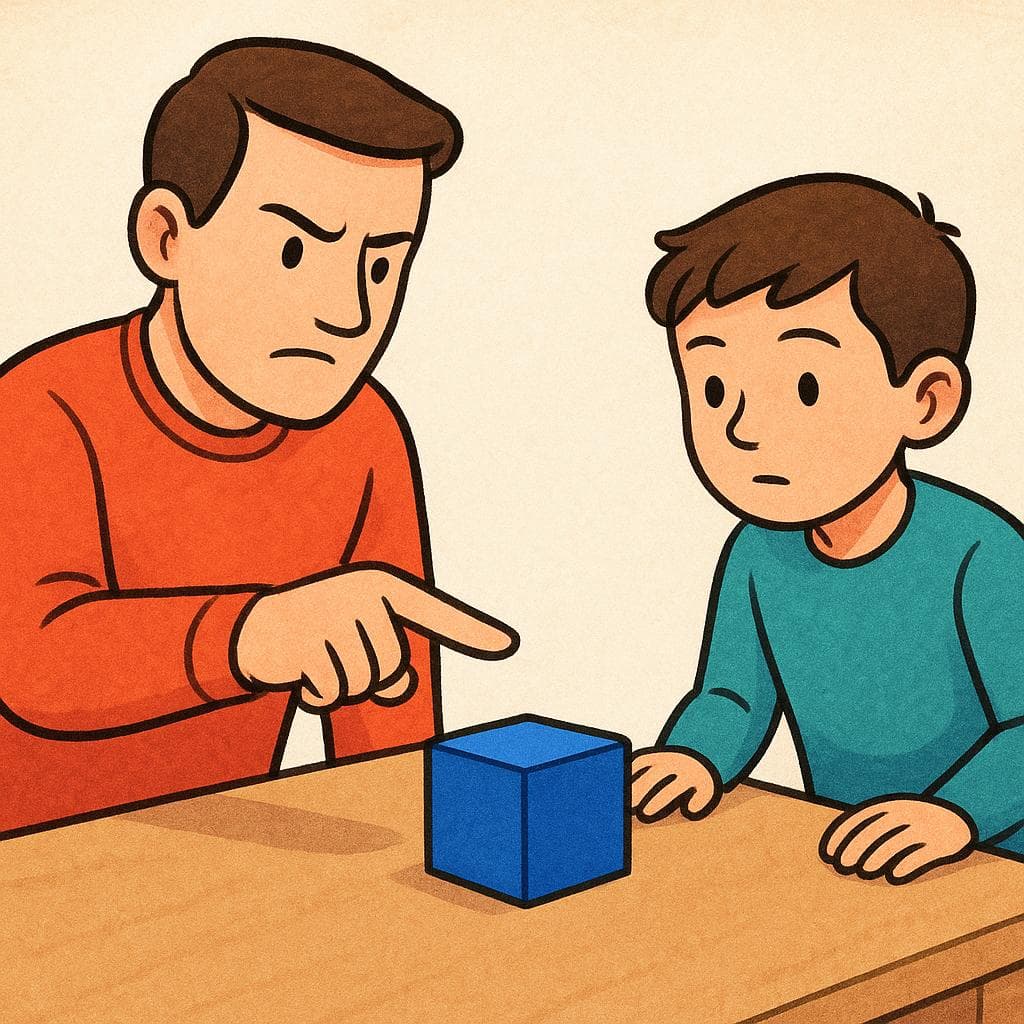
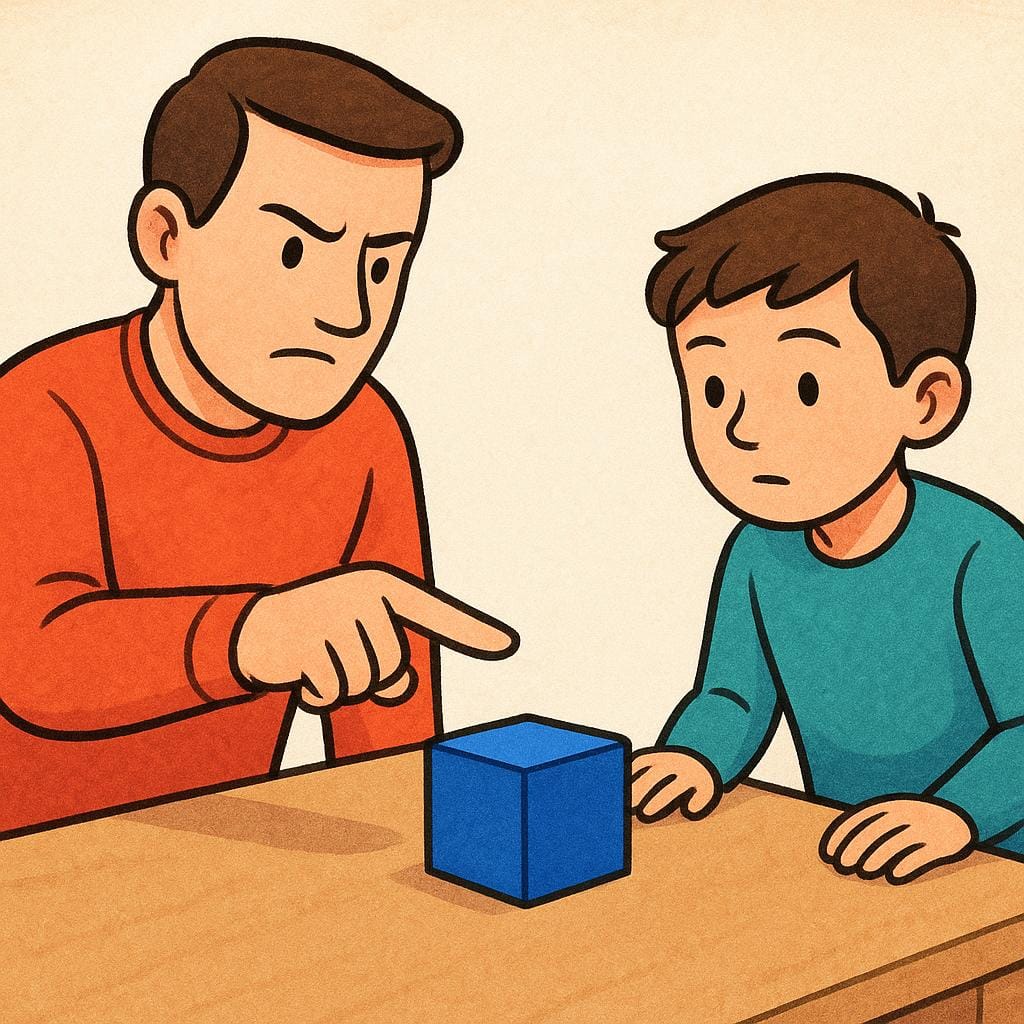
The most common Spanish word for “understand!” is “entienda” — use 'entienda' as a formal command when speaking to one person you address as 'usted', meaning 'understand!' or 'please understand!'.

entienda
en-tyén-daenˈtjen̪d̪a
Examples
Señora, entienda que no podemos hacer una excepción.
Madam, understand that we cannot make an exception.
Entienda bien esta parte antes de continuar.
Understand this part well before continuing.
No entienda mal mis palabras; solo estoy siendo honesto.
Don't misunderstand my words; I am just being honest.
Formal Commands
To give a polite command to someone you call 'Usted' (formal 'you'), you use the same form as the present subjunctive: 'entienda'. If you were speaking informally ('tú'), you would say 'entiende'.
Negative Commands
To tell someone formally not to do something, you also use 'entienda': 'No entienda eso' (Don't understand that).
Using the wrong 'you'
Mistake: “Señor, entiende la regla.”
Correction: Señor, entienda la regla. (Since 'Señor' requires the formal Usted, use 'entienda', not the informal 'entiende'.)
entiende
en-TYEN-dehenˈtjen.de

Examples
Por favor, entiende mi situación.
Please, understand my situation.
Ella no entiende por qué estás triste.
She doesn't understand why you are sad.
¿Usted entiende cómo funciona la máquina?
Do you (formal) understand how the machine works?
El niño entiende el español pero responde en inglés.
The boy understands Spanish but responds in English.
Two Uses of 'Entiende'
'Entiende' is used for 'He/She/It understands' and 'You (formal) understand' in the present time. It is also the formal way to give a direct command: 'Understand!'
The E → IE Change
This verb is irregular because the 'e' in the middle changes to 'ie' in most present tense forms, like 'entiende' and 'entiendo'. However, 'nosotros' (we) and 'vosotros' (you plural Spain) keep the original 'e': 'entendemos'.
Missing the Stem Change
Mistake: “Using *entendemos* instead of *entiende* for 'He understands'.”
Correction: The correct form is *entiende*. Remember to change E to IE unless you are using the 'we' or 'you plural (Spain)' forms.
Formal vs. Informal Commands
Related Translations
Learn Spanish with Inklingo
Interactive stories, personalized learning, and more.