How to Say "unsweetened" in Spanish
The most common Spanish word for “unsweetened” is “amargo” — use 'amargo' when referring to unsweetened coffee or chocolate, which have a naturally bitter taste.
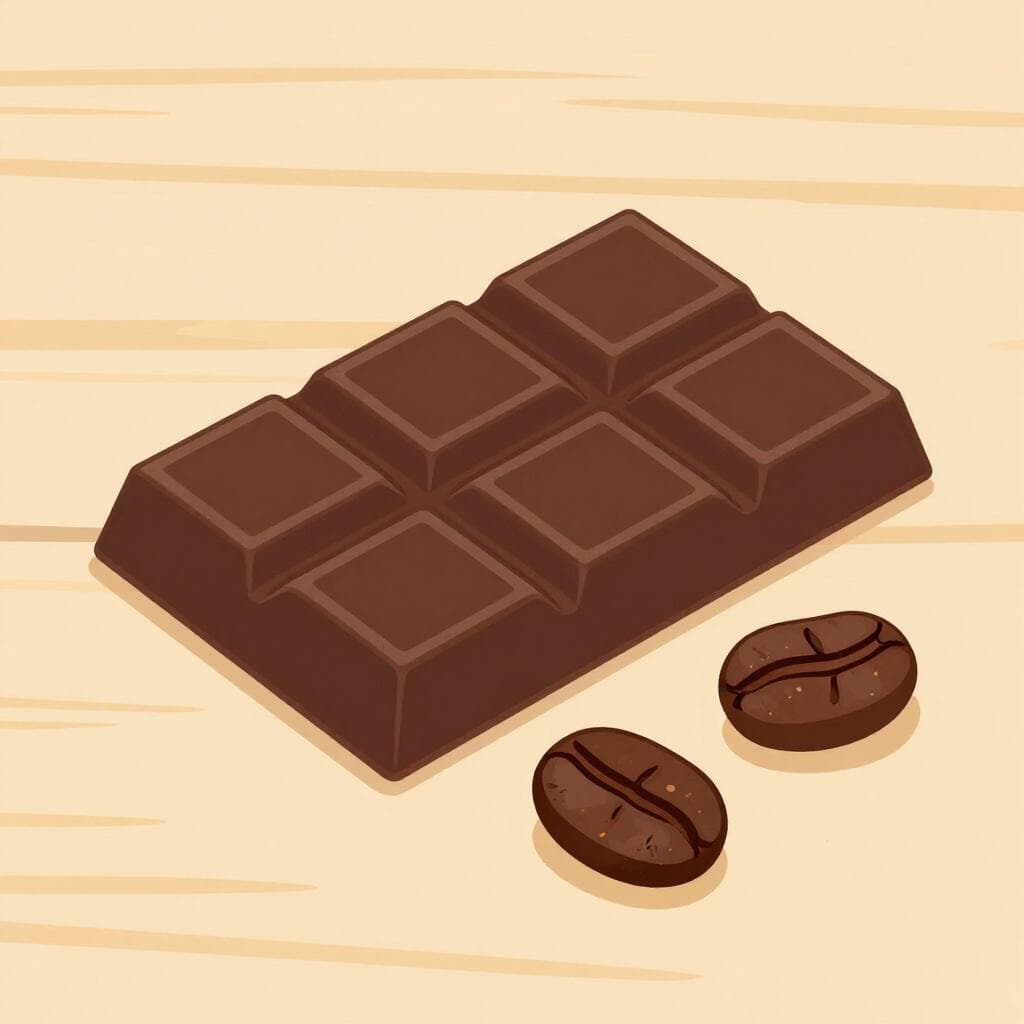

amargo
ah-MAR-goaˈmaɾɣo
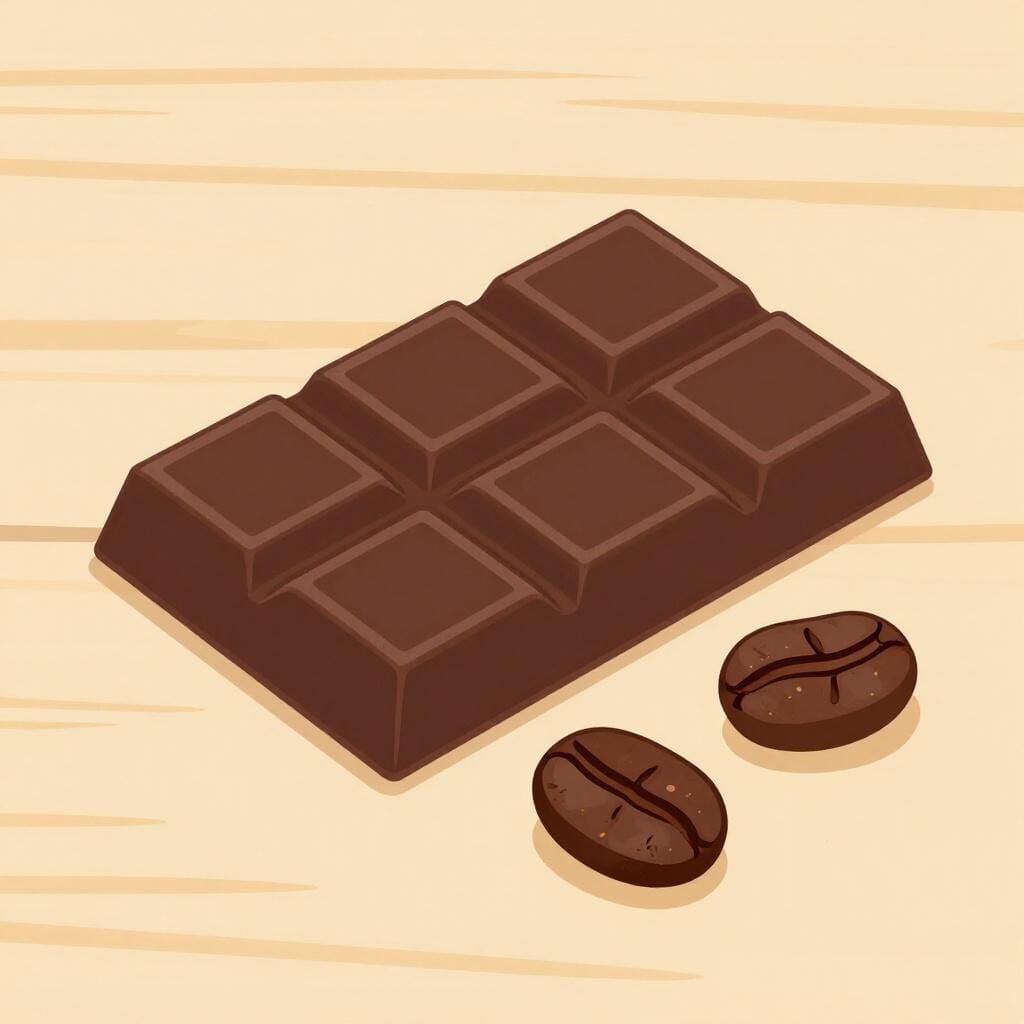
Examples
No me gusta el café amargo; prefiero ponerle azúcar.
I don't like bitter coffee; I prefer to put sugar in it.
El chocolate puro es más amargo que el chocolate con leche.
Pure chocolate is more bitter than milk chocolate.
Esta medicina tiene un sabor muy amargo.
This medicine has a very bitter taste.
Matching the Gender
Remember that 'amargo' must match the person or thing it describes. Use 'amargo' for masculine words (el café amargo) and 'amarga' for feminine words (la medicina amarga).
Ser vs. Estar with Taste
Use 'ser' if the food is naturally bitter (el chocolate es amargo). Use 'estar' if it tastes bitter right now because of how it was prepared (el café está amargo because there is no sugar).
Bitter vs. Sour
Mistake: “Using 'amargo' to describe a lemon.”
Correction: Lemons are 'agrios' (sour) or 'ácidos' (acidic). Use 'amargo' for things like coffee, tonic water, or dark chocolate.
seco
SEH-kohˈse.ko

Examples
Quiero una copa de cava, pero tiene que ser brut seco.
I want a glass of sparkling wine, but it must be brut dry.
El pastel estaba demasiado seco, le faltaba crema.
The cake was too dry; it lacked cream.
Taste vs. Texture
When describing wine, 'seco' means it lacks sugar (taste). When describing baked goods (like bread or cake), it means it lacks moisture (texture).
Bitter vs. Dry
Learn Spanish with Inklingo
Interactive stories, personalized learning, and more.