How to Say "van" in Spanish
The most common Spanish word for “van” is “camioneta” — use 'camioneta' for a larger SUV-like vehicle, often used for transporting passengers or for utility purposes, or a light commercial vehicle used for deliveries.

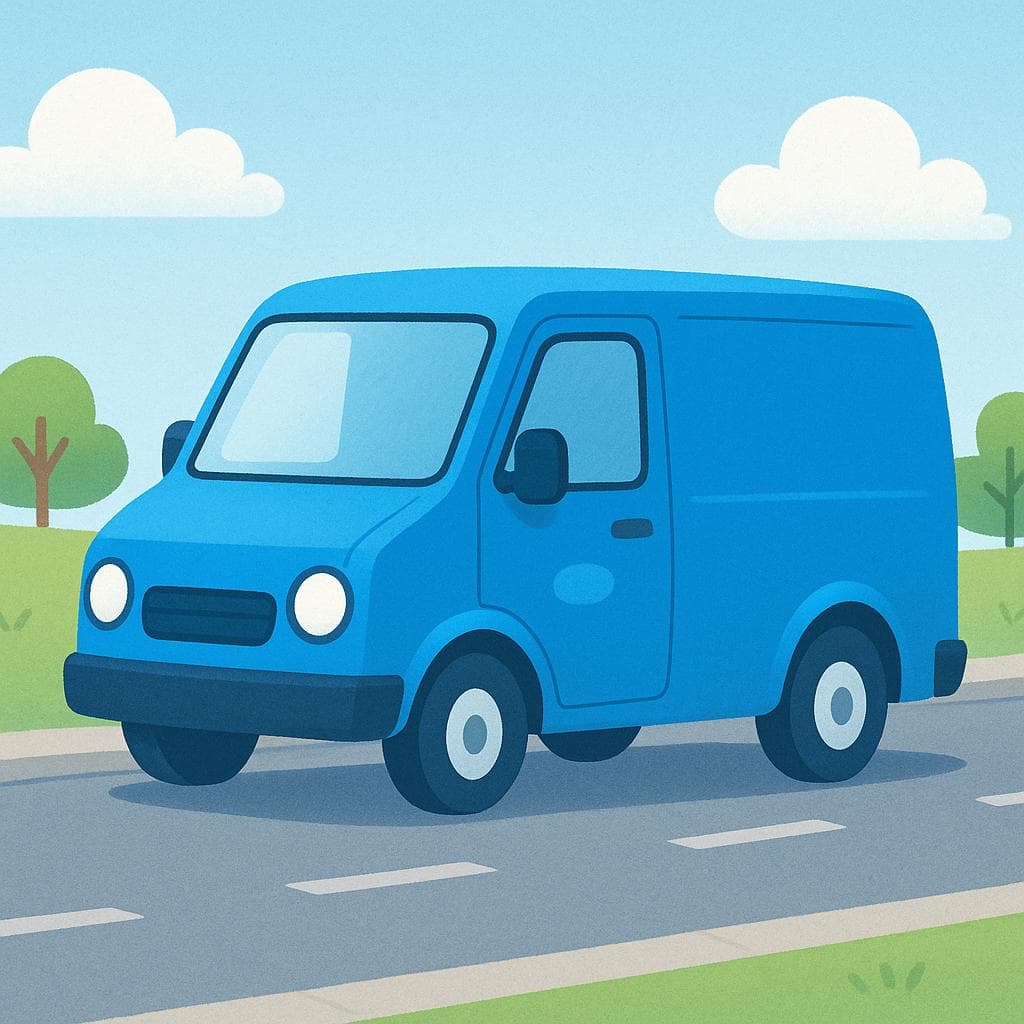
camioneta
cah-mee-oh-NEH-tahkamjoˈneta

Examples
Necesitamos una camioneta más grande para llevar a todos los niños.
We need a bigger SUV to take all the children.
Mi tío usa su camioneta para transportar herramientas y materiales.
My uncle uses his pickup truck to transport tools and materials.
La panadería usa una camioneta pequeña para hacer las entregas.
The bakery uses a small van to make deliveries.
Gender Reminder
Even though it ends in '-a,' remember that the full word is la camioneta (feminine). All articles and adjectives used with it must also be feminine (e.g., la camioneta roja).
camioneta
cah-mee-oh-NEH-tahkamjoˈneta
Examples
La panadería usa una camioneta pequeña para hacer las entregas.
The bakery uses a small van to make deliveries.
Necesitamos una camioneta más grande para llevar a todos los niños.
We need a bigger SUV to take all the children.
Mi tío usa su camioneta para transportar herramientas y materiales.
My uncle uses his pickup truck to transport tools and materials.
Gender Reminder
Even though it ends in '-a,' remember that the full word is la camioneta (feminine). All articles and adjectives used with it must also be feminine (e.g., la camioneta roja).
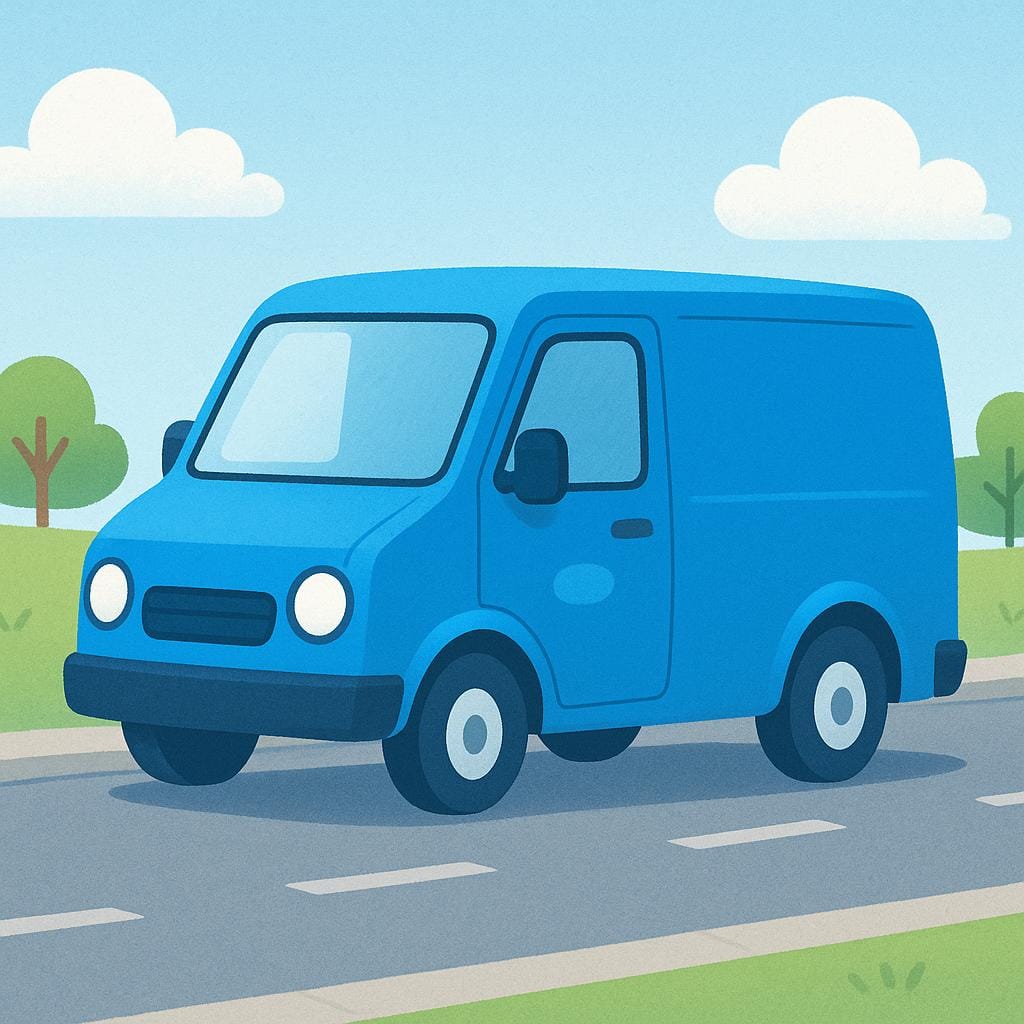
furgoneta
foor-goh-NEH-tahfuɾɣoˈneta
Examples
Tuvimos que alquilar una furgoneta para llevar todos los muebles.
We had to rent a van to carry all the furniture.
La furgoneta de correos pasa por aquí todas las mañanas a las diez.
The postal van passes by here every morning at ten.
Si vamos de camping, necesitamos una furgoneta camper.
If we go camping, we need a camper van.
Feminine Noun Rule
Since this word ends in '-a', it is feminine. You must use the feminine article 'la' or 'una' before it (e.g., 'la furgoneta').
The Diminutive Suffix
The ending '-eta' is a diminutive, meaning 'little' or 'small.' This word comes from 'furgón' (a larger van or wagon), so 'furgoneta' literally means 'little furgón.'
Confusing Size
Mistake: “Using 'furgoneta' for a massive 18-wheeler truck.”
Correction: Use 'camión' (truck) for very large vehicles. 'Furgoneta' is specifically for smaller, enclosed vehicles like a typical delivery van.
Camioneta vs. Furgoneta
Related Translations
Learn Spanish with Inklingo
Interactive stories, personalized learning, and more.