How to Say "violence" in Spanish
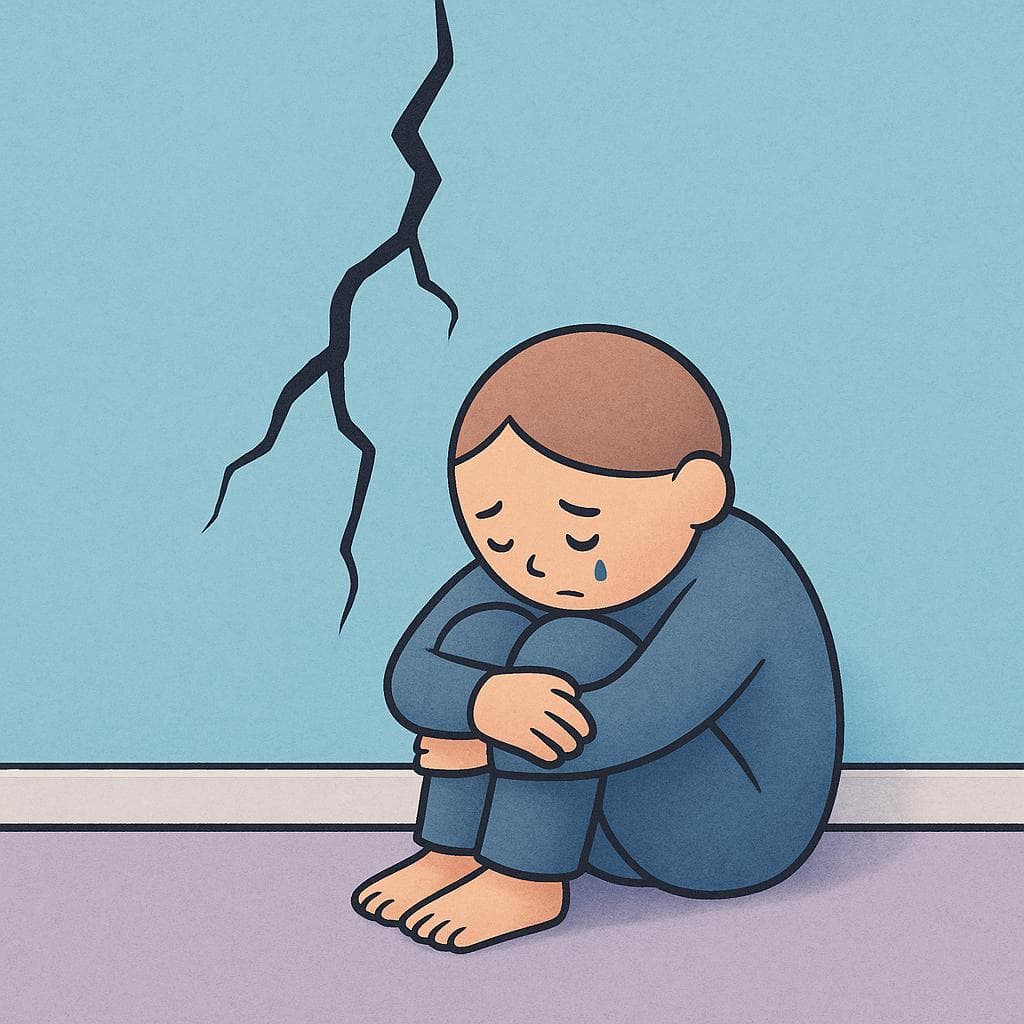
The most common Spanish word for “violence” is “violencia” — use 'violencia' when referring to acts of physical or psychological harm, aggression, or brutality, whether by individuals, groups, or institutions.

violencia
byo-LEN-syabjoˈlensja
Examples
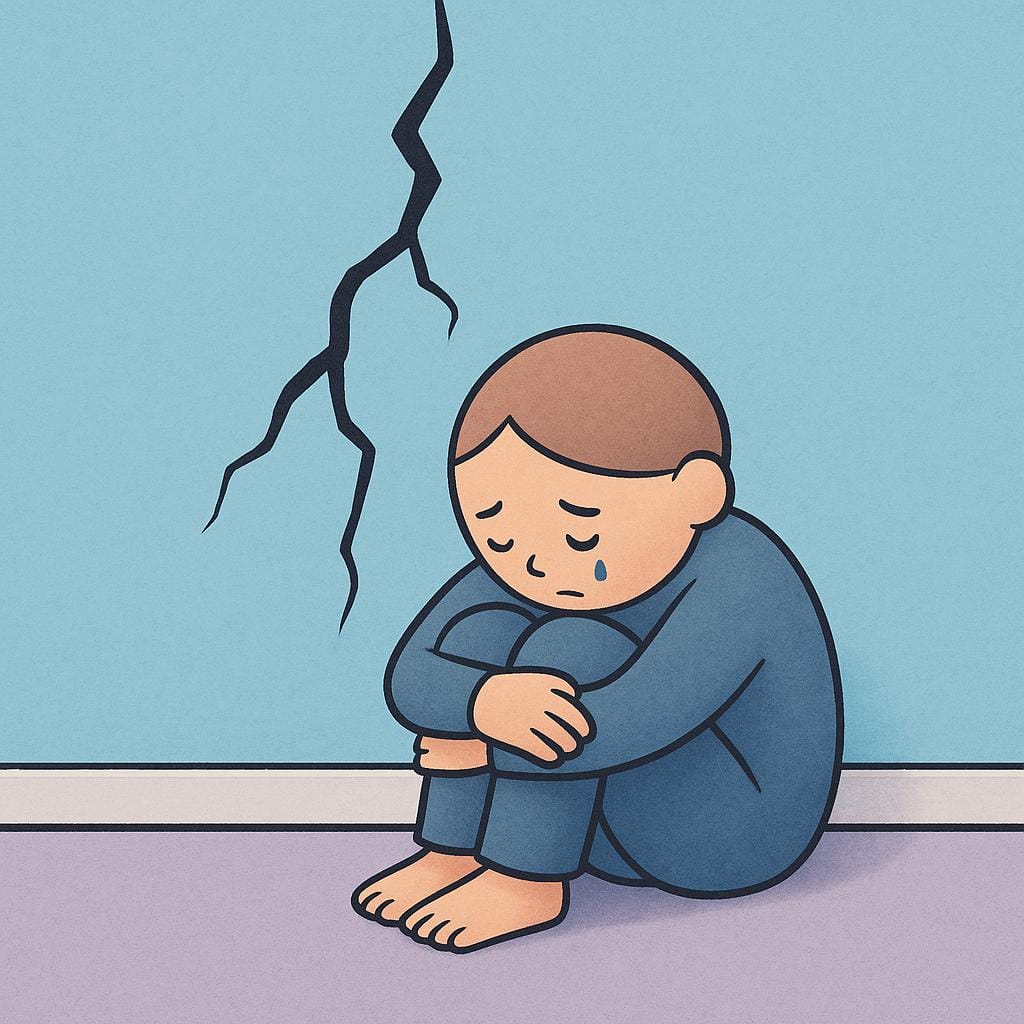
La violencia doméstica es un problema grave en muchas sociedades.
Domestic violence is a serious problem in many societies.
La policía actuó con violencia para dispersar la manifestación.
The police acted with violence to disperse the demonstration.
Hay que combatir la violencia de género con educación y leyes estrictas.
Gender violence must be fought with education and strict laws.
La violencia de la tormenta causó daños severos en la costa.
The intensity of the storm caused severe damage on the coast.
Feminine Noun Rule
Even though it ends in '-a', remember 'violencia' is a feminine noun, so you must use the feminine article 'la' or adjectives that end in '-a' with it.
Gender Error
Mistake: “El violencia”
Correction: La violencia. Remember abstract nouns ending in '-cia' are almost always feminine.
furia
FOO-ree-ahˈfuɾja

Examples
La furia de las olas casi hundió el pequeño barco.
The fury of the waves almost sank the small boat.
La furia del huracán dejó la costa devastada.
The force (or fury) of the hurricane left the coast devastated.
El atleta corrió con furia para alcanzar la meta.
The athlete ran with intense speed/intensity to reach the finish line.
Figurative Use
When applied to nature (wind, sea, storm), 'furia' emphasizes the destructive and uncontrolled power, similar to how we use 'fury' in English literary contexts.
Confusing Force with Harm
Learn Spanish with Inklingo
Interactive stories, personalized learning, and more.