How to Say "wallflower" in Spanish
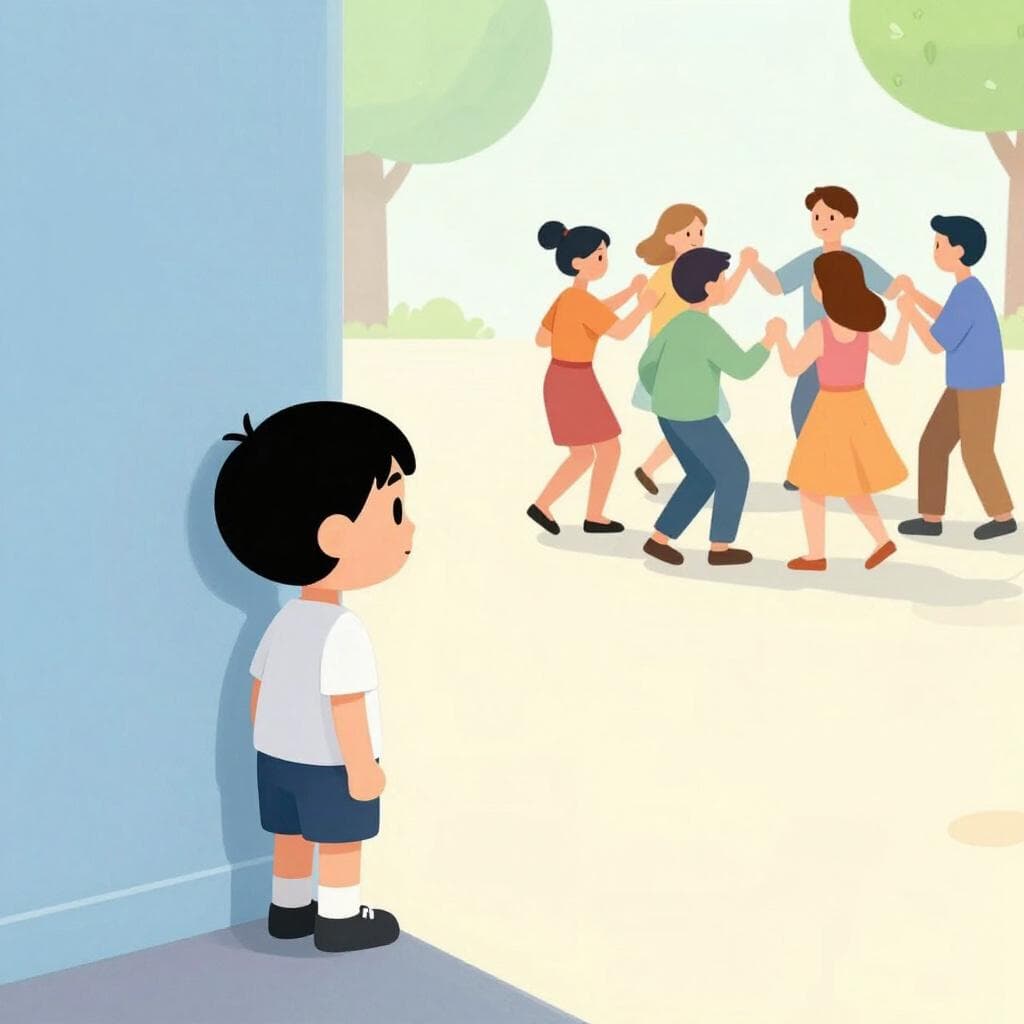
The most common Spanish word for “wallflower” is “quedado” — use 'quedado' to describe someone who is habitually shy, reserved, or stays on the sidelines in most social situations, not just at a specific party.

quedado
keh-DAH-dohkeˈðaðo

Examples
Mi primo es muy quedado; casi nunca habla en las fiestas.
My cousin is very reserved/shy; he hardly ever speaks at parties.
Ella prefiere quedarse en casa, es un poco quedada.
She prefers to stay at home, she's a bit of a wallflower.
Ese teléfono es tan quedado, ya nadie lo usa.
That phone is so old-fashioned/behind the times, nobody uses it anymore.
Ser vs. Estar
This adjective nearly always uses 'ser' because it describes a permanent personality trait or characteristic: 'Mi hermano es quedado' (My brother is a shy person).
seta
seh-tahˈseta
Examples
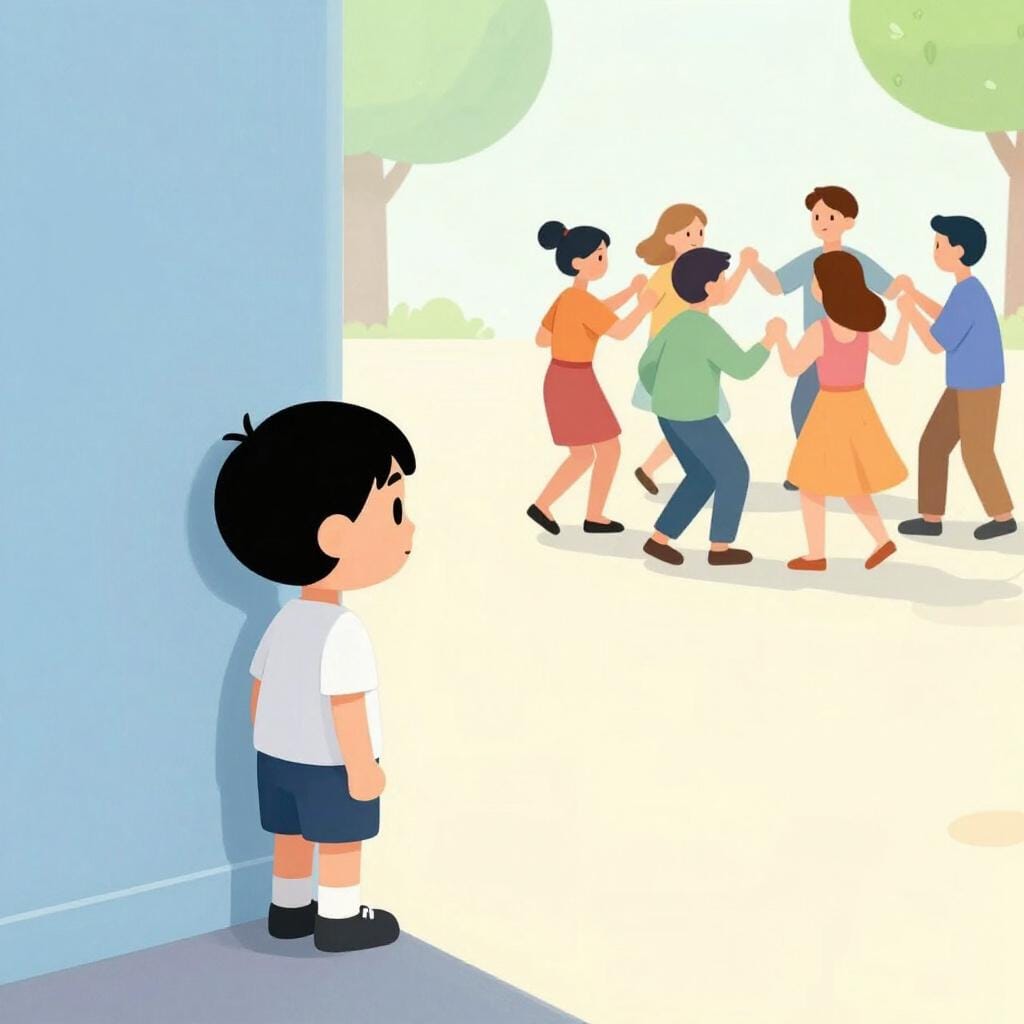
¡Venga, levántate y baila! No seas una seta.
Come on, get up and dance! Don't be such a wallflower.
Using 'Ser' vs 'Estar'
Use 'ser una seta' if someone is naturally boring or quiet. Use 'estar como una seta' if they are just being quiet at this specific moment.
General Shyness vs. Specific Inactivity
Related Translations
Learn Spanish with Inklingo
Interactive stories, personalized learning, and more.