How to Say "fixed" in Spanish
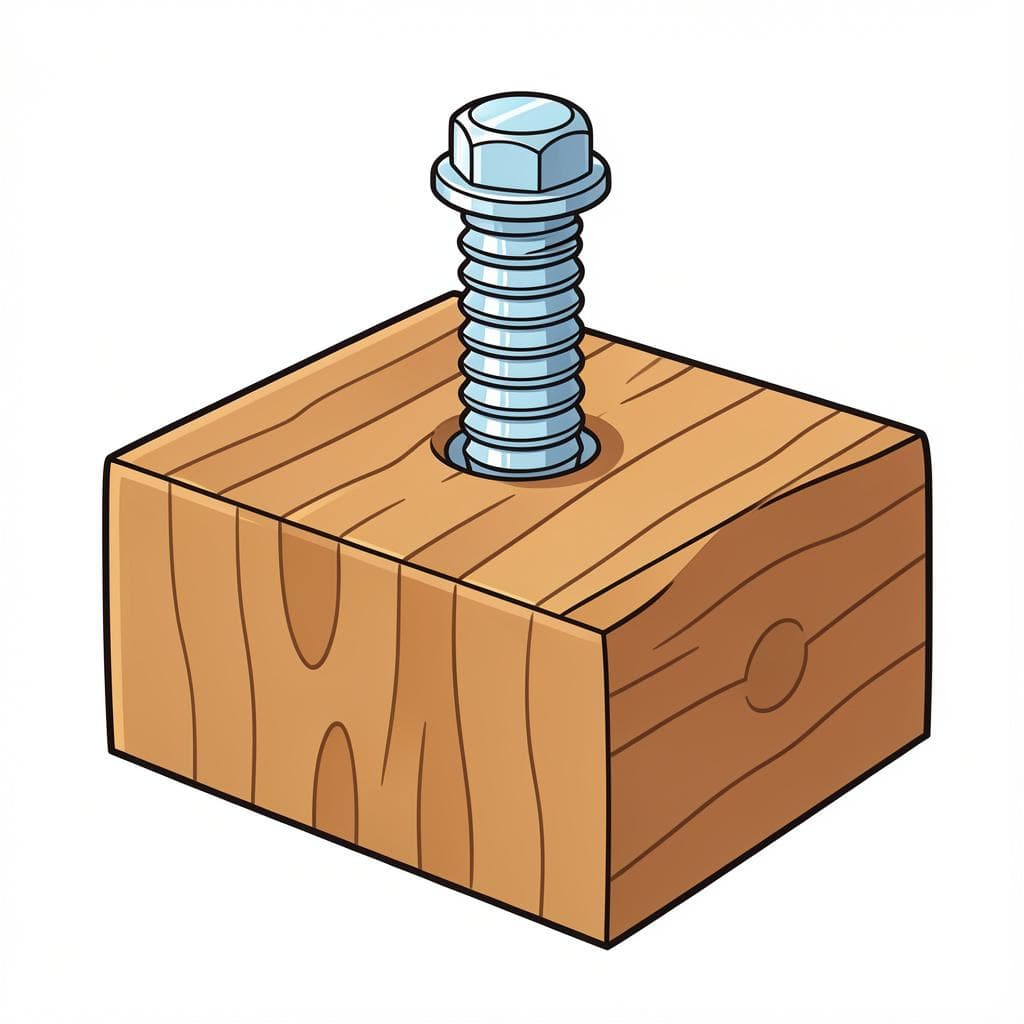
The most common Spanish word for “fixed” is “fijo” — use 'fijo' when describing something that is permanently attached, not moving, or permanent, like a job.








fijo
fee-hohˈfixo

Examples
Necesito un trabajo fijo con beneficios.
I need a permanent job with benefits.
El sillón está fijo a la pared y no se puede mover.
The armchair is fixed to the wall and cannot be moved.
Tenemos una tarifa fija por la electricidad cada mes.
We have a fixed rate for electricity every month.
Agreement Rule
As an adjective, 'fijo' must match the gender (masculine/feminine) and number (singular/plural) of the noun it describes: 'fijo' (m. singular), 'fija' (f. singular), 'fijos' (m. plural), 'fijas' (f. plural).
Confusing 'fijo' and 'estable'
Mistake: “Using 'estable' when referring to a job contract ('trabajo estable').”
Correction: While 'estable' is understandable, the most natural way to say 'permanent job' in Spanish is 'trabajo fijo' or 'empleo fijo'.
arreglado
ah-rreh-GLAH-dohareˈɣlaðo
Examples
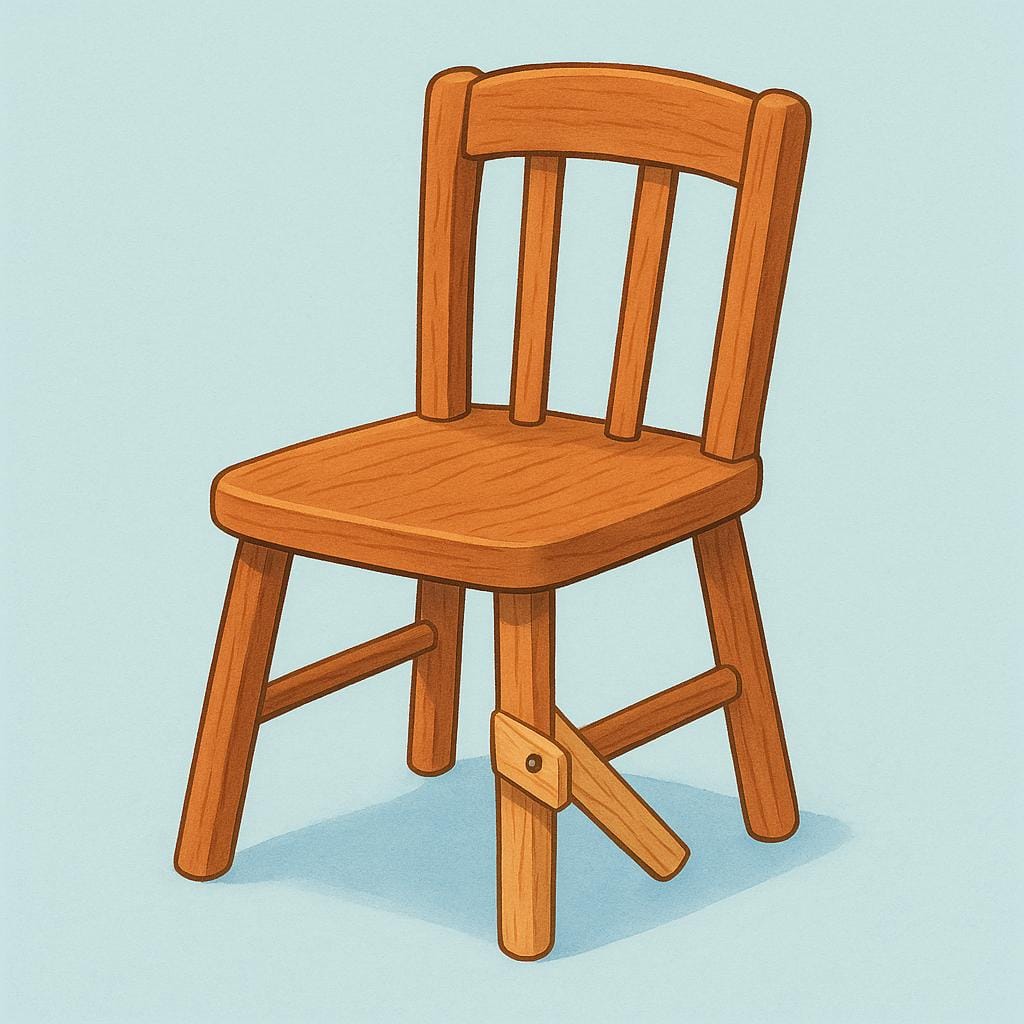
Mi coche ya está arreglado, puedo ir a buscarte.
My car is already fixed, I can go pick you up.
La tubería rota fue arreglada por el fontanero.
The broken pipe was repaired by the plumber.
Todo el mundo sabe que ese partido de fútbol estaba arreglado.
Everyone knows that soccer match was rigged.
El concurso no fue justo, el resultado estaba arreglado.
The contest wasn't fair, the result was set up (fixed).
Adjective Agreement
Like all Spanish adjectives, 'arreglado' must match the thing it describes in both number (singular/plural) and gender (masculine/feminine). Look for 'arreglada,' 'arreglados,' and 'arregladas.'
Implied Meaning
When used in the context of competitions, results, or systems, 'arreglado' carries a strong negative connotation, suggesting corruption or cheating.
Using 'Ser' vs. 'Estar'
Mistake: “El teléfono es arreglado.”
Correction: El teléfono está arreglado. (Use 'estar' because this describes the temporary condition or result of an action, not a permanent quality.)
Examples
El mecánico arregló el coche en una hora.
The mechanic fixed the car in one hour.
fijado
fee-HA-dohfiˈxaðo
Examples
El precio ya está fijado en el catálogo.
The price is already set in the catalog.
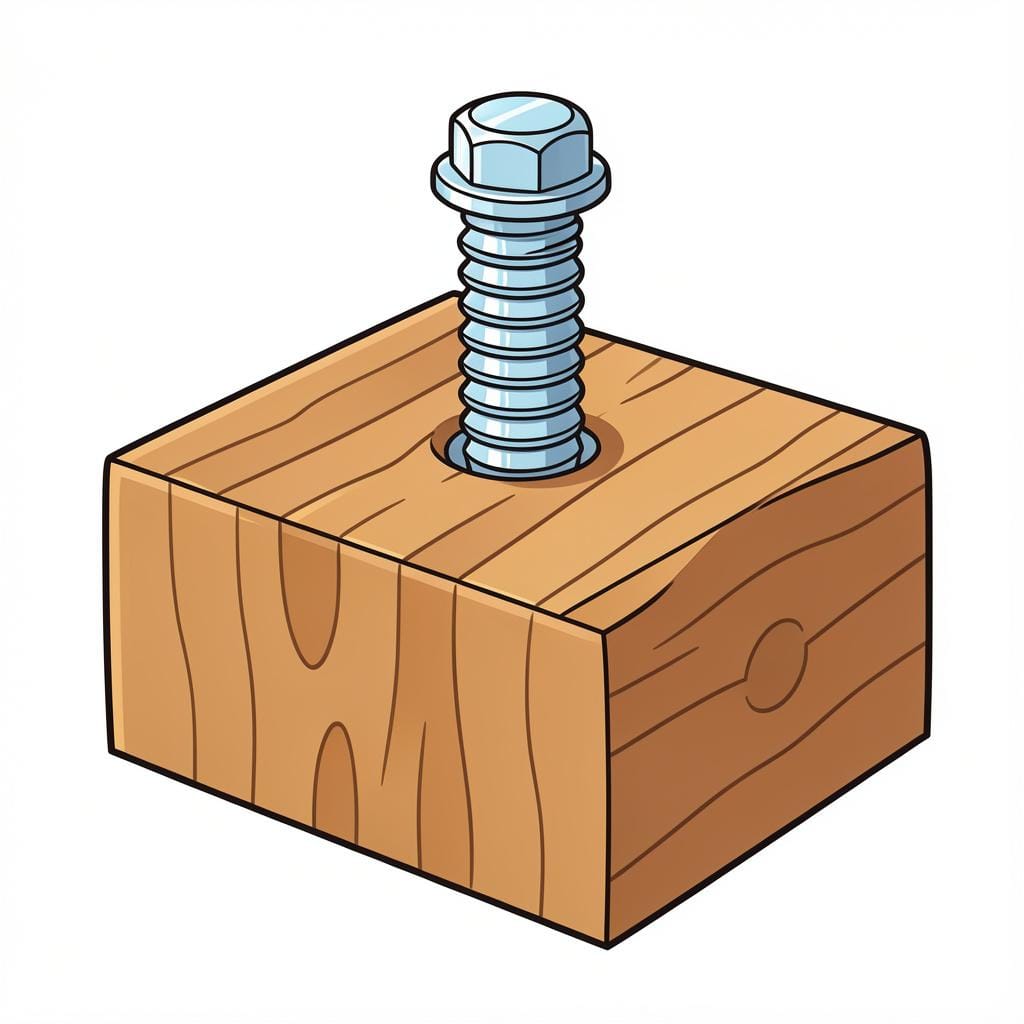
El espejo está bien fijado a la pared.
The mirror is securely attached to the wall.
¿Te has fijado en su nuevo peinado?
Have you noticed her new hairstyle?
Hemos fijado la reunión para el lunes.
We have set the meeting for Monday.
Changing for Gender
Since this word is describing something, it needs to match the item it talks about. If you describe a female noun like 'la fecha' (the date), use 'fijada' instead of 'fijado'.
The 'Done' Form
This is the form of the verb used after 'haber' (to have). It stays as 'fijado' regardless of who did the action when used in this way (e.g., 'nosotros hemos fijado').
Fixing a Car vs. Fixing a Date
Mistake: “Using 'fijado' to mean a repaired car.”
Correction: Use 'arreglado' for repairs. 'Fijado' only means something is set in place or established.
clavado
klah-BAH-dohklaˈβaðo

Examples
El letrero está clavado en el árbol.
The sign is nailed to the tree.
Se quedó clavado en el sitio por el susto.
He stood rooted to the spot out of fear.
Tenía un clavo clavado en la madera.
There was a nail driven into the wood.
Matching the Object
Because this describes a person or thing, it must match in gender and number: 'un poste clavado' but 'una tabla clavada'.
Confusion with 'stuck'
Mistake: “La puerta está clavada.”
Correction: If a door is jammed, use 'atascada'. Use 'clavada' only if it is literally nailed shut or firmly fixed in place.
corregido
ko-rre-HEE-doko.reˈxi.ðo
Examples
El examen ya está corregido por el profesor.
The exam is already corrected by the teacher.
He enviado la versión corregida del informe.
I have sent the corrected version of the report.
Después de muchos intentos, el error fue corregido.
After many attempts, the error was fixed.
Matching Gender and Number
Since this word acts as a description here, it must change to match the object. Use 'corregido' for masculine items and 'corregida' for feminine items.
Using with 'Estar'
When you want to say something 'is corrected' as a result of someone's work, use the verb 'estar' (to be) before 'corregido'.
Gender Mismatch
Mistake: “La tarea está corregido.”
Correction: La tarea está corregida. (Because 'tarea' is feminine, the ending must change to 'a'.)
quedado
keh-DAH-dohkeˈðaðo

Examples
El dinero que me había dado mi abuela estaba quedado en el cajón.
The money my grandmother had given me was left/remained in the drawer.
Todo quedó quedado tal y como lo habíamos planeado.
Everything was left exactly as we had planned it.
La reunión ha quedado acordada para el lunes.
The meeting has been arranged/fixed for Monday.
Participle Agreement
Like many Spanish words ending in -ado, 'quedado' must match the gender (masculine/feminine) and number (singular/plural) of the thing it is describing: 'La casa quedó quedada' (The house was left).
Confusing State vs. Action
Mistake: “Usar 'ser' en lugar de 'estar' o 'quedar' para describir el estado resultante: 'El libro fue quedado.'”
Correction: Use the verbs 'estar' or 'quedar' when describing the state of something after the action: 'El libro quedó olvidado.' (The book was left forgotten.)
asegurado
ah-seh-goo-RAH-dohaseɣuˈɾaðo

Examples
Revisa que el cinturón de seguridad esté bien asegurado.
Check that the seatbelt is properly secured.
Con tanto esfuerzo, el éxito está asegurado.
With so much effort, success is guaranteed.
Matching the word to the object
This word acts like a describing word. If you are talking about a feminine thing, change the 'o' at the end to an 'a' (asegurada). If it's more than one thing, add an 's' (asegurados).
Asegurado vs. Seguro
Mistake: “Using 'Estoy asegurado' to mean 'I am sure'.”
Correction: Say 'Estoy seguro'. 'Asegurado' usually means you are covered by insurance or physically fastened.
compuesto
kom-PWES-tohkomˈpwesto
Examples
Mi radio ya está compuesta.
My radio is already fixed.
¿Está compuesto el coche?
Is the car repaired?
The 'Fixed' Meaning
This meaning comes from the verb 'componer'. In many places, if you break a toy and then fix it, the toy is now 'compuesto'.
determinado
deh-tehr-mee-NAH-dohdeteɾmiˈnaðo

Examples
Debes entregar el informe en un día determinado.
You must hand in the report on a specific day.
Bajo determinadas condiciones, el experimento funciona.
Under certain conditions, the experiment works.
Matching the Noun
This word needs to change its ending to match what you are talking about. Use 'determinado' for one male thing, 'determinada' for one female thing, and add an 's' for plurals.
Placement Matters
Mistake: “Using 'determinado' always after the noun.”
Correction: When it means 'certain' or 'some,' it often goes before the noun (e.g., 'determinadas personas'). When it means 'specific,' it usually goes after.
congelado
kohn-heh-LAH-dohkoŋxeˈlaðo

Examples
La imagen se quedó congelada durante la llamada.
The image froze during the call.
Los sueldos están congelados este año.
Salaries are frozen this year.
arreglado
ah-rreh-GLAH-dohareˈɣlaðo
Examples
Todo el mundo sabe que ese partido de fútbol estaba arreglado.
Everyone knows that soccer match was rigged.
Mi coche ya está arreglado, puedo ir a buscarte.
My car is already fixed, I can go pick you up.
La tubería rota fue arreglada por el fontanero.
The broken pipe was repaired by the plumber.
El concurso no fue justo, el resultado estaba arreglado.
The contest wasn't fair, the result was set up (fixed).
Adjective Agreement
Like all Spanish adjectives, 'arreglado' must match the thing it describes in both number (singular/plural) and gender (masculine/feminine). Look for 'arreglada,' 'arreglados,' and 'arregladas.'
Implied Meaning
When used in the context of competitions, results, or systems, 'arreglado' carries a strong negative connotation, suggesting corruption or cheating.
Using 'Ser' vs. 'Estar'
Mistake: “El teléfono es arreglado.”
Correction: El teléfono está arreglado. (Use 'estar' because this describes the temporary condition or result of an action, not a permanent quality.)
fijado
fee-HA-dohfiˈxaðo
Examples
¿Te has fijado en su nuevo peinado?
Have you noticed her new hairstyle?
El precio ya está fijado en el catálogo.
The price is already set in the catalog.
El espejo está bien fijado a la pared.
The mirror is securely attached to the wall.
Hemos fijado la reunión para el lunes.
We have set the meeting for Monday.
Changing for Gender
Since this word is describing something, it needs to match the item it talks about. If you describe a female noun like 'la fecha' (the date), use 'fijada' instead of 'fijado'.
The 'Done' Form
This is the form of the verb used after 'haber' (to have). It stays as 'fijado' regardless of who did the action when used in this way (e.g., 'nosotros hemos fijado').
Fixing a Car vs. Fixing a Date
Mistake: “Using 'fijado' to mean a repaired car.”
Correction: Use 'arreglado' for repairs. 'Fijado' only means something is set in place or established.
Repaired vs. Secured vs. Permanent
Learn Spanish with Inklingo
Interactive stories, personalized learning, and more.