How to Say "neat" in Spanish
The most common Spanish word for “neat” is “limpio” — use this word when 'neat' means clean and free from dirt or mess, like a tidy room or surface.





limpio
LIM-pyohˈlimpjo
Examples
Mi habitación está limpia por fin.
My room is clean finally.
¿Está limpio el plato?
Is the plate clean?
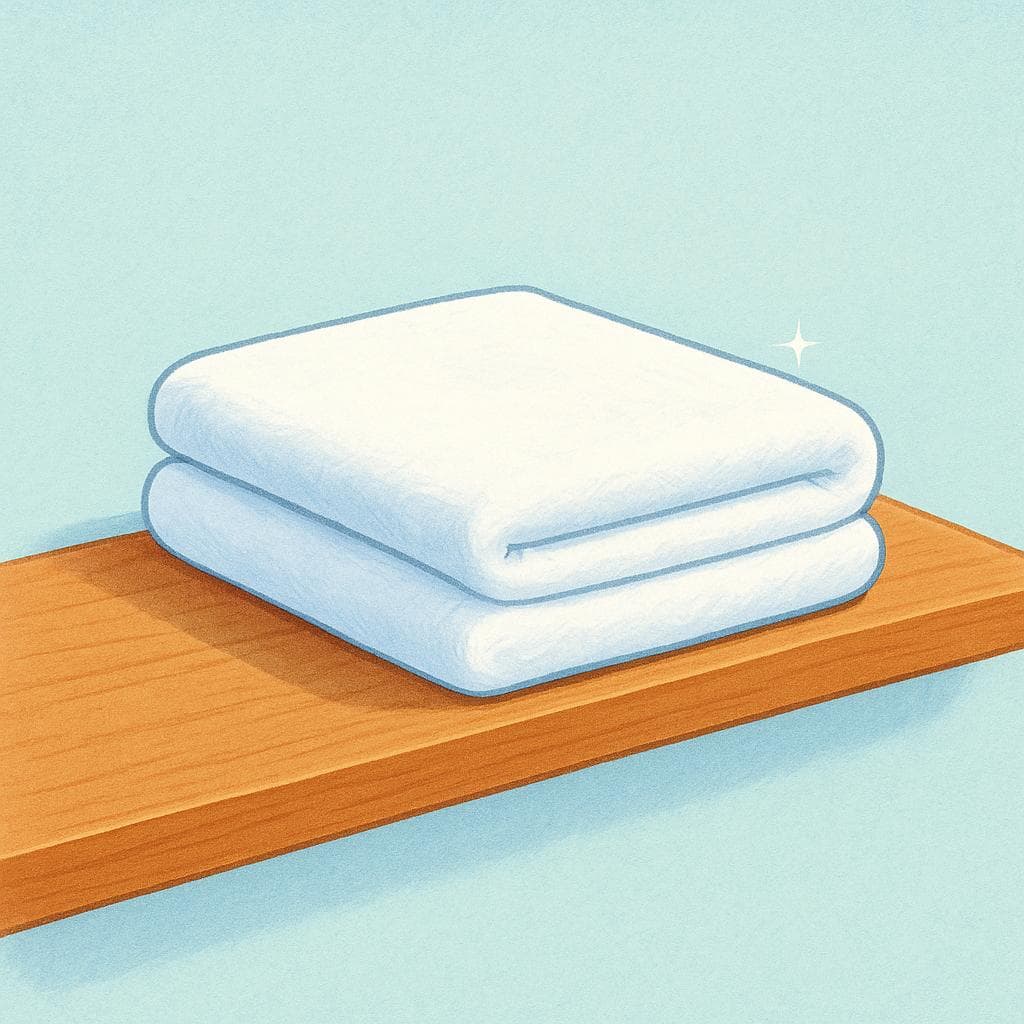
Necesito una toalla limpia.
I need a clean towel.
Gender and Number
As an adjective, 'limpio' must match the person or thing it describes. Use 'limpia' for feminine nouns (la casa limpia) and 'limpios/limpias' for plurals (los pisos limpios).
ordenado
or-deh-NAH-dohoɾðeˈnaðo

Examples
Necesito que mi oficina esté siempre ordenada para concentrarme.
I need my office to always be tidy to concentrate.
Tienes el pelo muy ordenado hoy.
Your hair is very neat today.
Gender and Number Match
Like most Spanish adjectives, 'ordenado' must change its ending to match the thing it describes: 'un cuarto ordenado' (masculine singular), 'unas mesas ordenadas' (feminine plural).
Confusing Ser and Estar
Mistake: “Soy ordenado (Meaning: I am an organized person by nature)”
Correction: Estoy ordenado (Meaning: I am neat right now, or my clothes/hair are neat). Use 'ser' for personality traits and 'estar' for temporary states.
arreglado
ah-rreh-GLAH-dohareˈɣlaðo

Examples
Siempre va muy arreglado, con corbata y zapatos brillantes.
He always goes very well-dressed, with a tie and shining shoes.
Dejó la cocina arreglada antes de salir de casa.
She left the kitchen tidy before leaving the house.
Referring to People
When describing a person's appearance, 'arreglado/a' means they put effort into looking neat or sharp. It's a great compliment for someone who is well-groomed.
Confusing Appearance with Fixing
Mistake: “Mi hermana es arreglada. (Implies she is always fixed, like an object.)”
Correction: Mi hermana está arreglada. (Use 'estar' to describe her current state of being well-dressed or groomed.)
guay
gwa-eeˈɡwai

Examples
¡Qué guay es tu camiseta nueva!
Your new T-shirt is so cool!
Hemos ido a la playa y el día ha sido súper guay.
We went to the beach and the day was super great/awesome.
¿Vamos al cine? ¡Guay!
Shall we go to the cinema? Cool!
Always the Same
Unlike most Spanish adjectives, 'guay' does not change its ending based on whether the noun is masculine, feminine, singular, or plural. It's always 'guay'.
Using the wrong form
Mistake: “La gente es muy guaya. (Trying to make it plural/feminine)”
Correction: La gente es muy guay. (Keep it simple! It never changes its form.)
chulo
CHOO-lohˈtʃulo
Examples
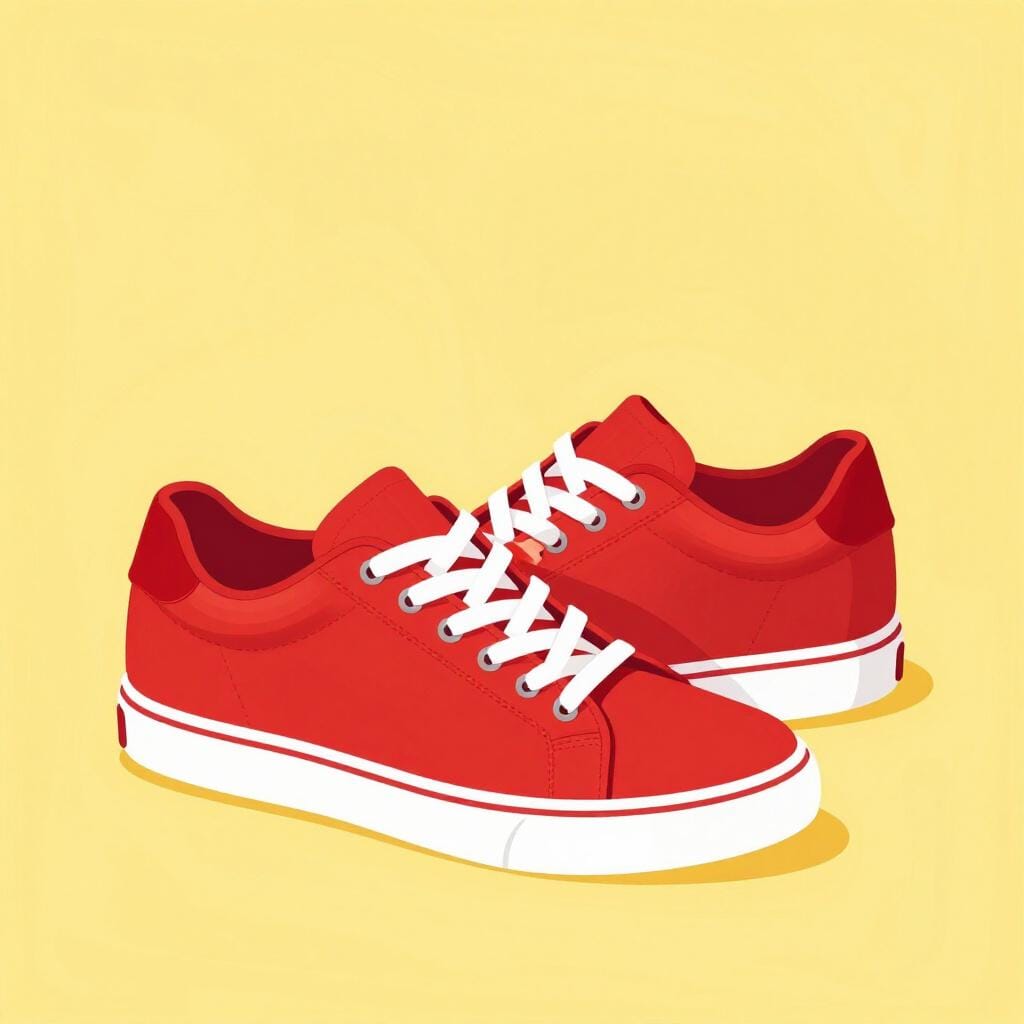
¡Qué zapatos más chulos tienes!
What cool shoes you have!
Ese restaurante es muy chulo.
That restaurant is really neat.
Describing Objects
When you use this to describe things, it usually means 'cool' or 'pretty.' Remember to change it to 'chula' if the thing you are talking about is feminine, like 'una casa chula'.
peinado
pay-NAH-dohpeiˈnaðo

Examples
El niño ya está peinado y listo para la escuela.
The boy is already combed and ready for school.
Siempre vas muy bien peinado a la oficina.
You always go to the office with very neat hair.
The 'Estar' Connection
When describing how someone looks right now, use the verb 'estar' (e.g., 'Estás peinado').
Matching the Person
Since this is an adjective, change the ending to 'a' if you are describing a girl or woman (peinada).
curioso
koo-ree-OH-sokuˈɾjo.so
Examples
El carpintero hizo un trabajo muy curioso con la madera.
The carpenter did a very meticulous job with the wood.
Su caligrafía es curiosa y elegante.
His handwriting is neat and elegant.
Formal Contexts
This meaning is usually found in descriptions of professional or artistic work where attention to detail is highlighted.
padre
PA-drayˈpa.dɾe

Examples
¡Qué padre está tu chamarra!
Your jacket is so cool!
El concierto estuvo padrísimo.
The concert was awesome.
Me la pasé muy padre en la fiesta.
I had a really great time at the party.
Making it Superlative
To say something is 'really cool' or 'awesome,' you can add '-ísimo' to the end, making it 'padrísimo'. Remember that this ending has to match what you're describing: 'padrísima' for feminine things.
Tidy vs. Cool: The Biggest Hurdle
Learn Spanish with Inklingo
Interactive stories, personalized learning, and more.