How to Say "warrior" in Spanish
The most common Spanish word for “warrior” is “guerrero” — use 'guerrero' for a general fighter, soldier, or someone bravely defending a cause, often in a historical or heroic context.
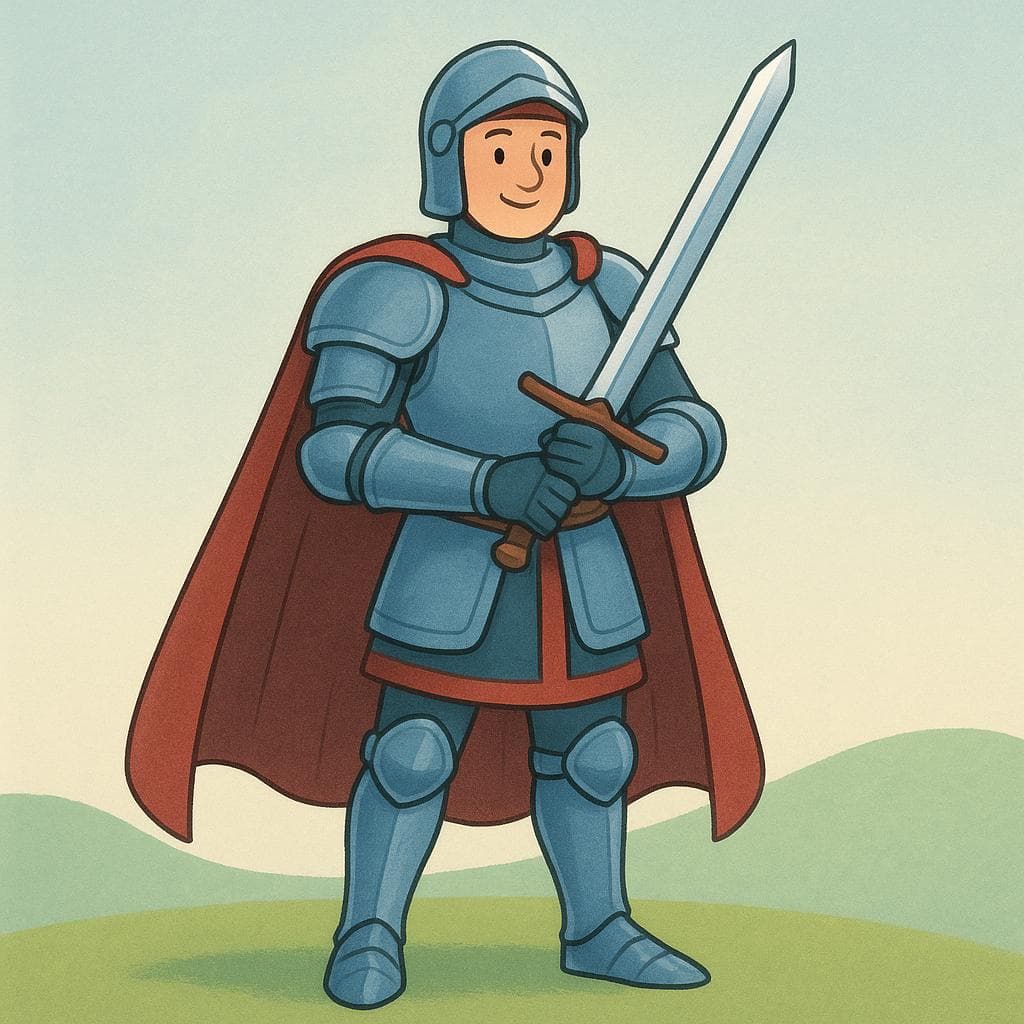
guerrero
gweh-RREH-rohɡeˈreɾo
Examples
El guerrero defendió a su pueblo con valentía.
The warrior defended his people with bravery.
Mi abuela es una guerrera, superó tres enfermedades graves.
My grandmother is a fighter; she overcame three serious illnesses.
Los antiguos guerreros celtas eran temidos por sus enemigos.
The ancient Celtic warriors were feared by their enemies.
Gender Change
Since this is a noun referring to a person, its gender changes depending on who you are talking about: use 'el guerrero' for a man, and 'la guerrera' for a woman.
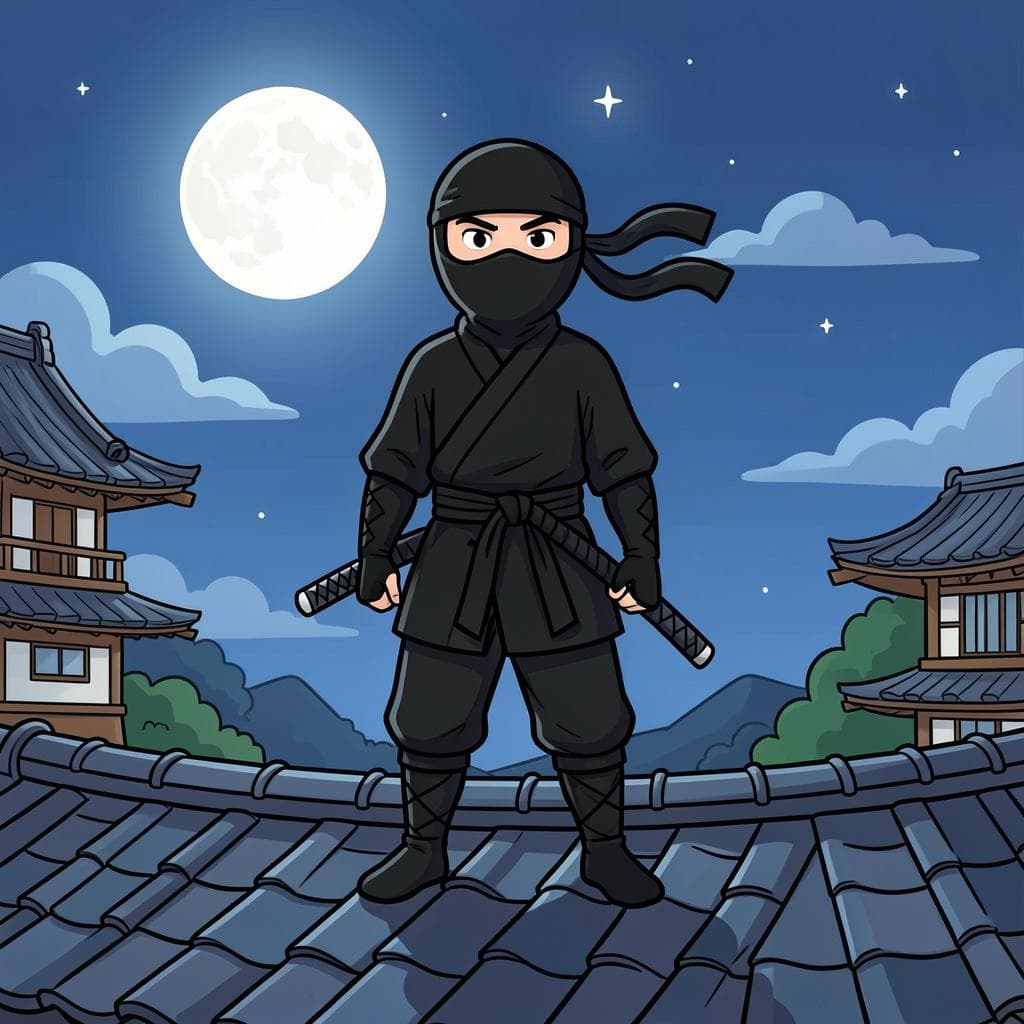
ninja
NEEN-hahˈniŋxa

Examples
El ninja desapareció en la oscuridad.
The ninja disappeared into the darkness.
Me gusta ver películas de ninjas.
I like watching ninja movies.
One word, two genders
The word 'ninja' stays the same whether you are talking about a man or a woman. Use 'el' for a man and 'la' for a woman.
samurái
Examples
El samurái siempre llevaba su espada larga.
The samurai always carried his long sword.
General vs. Specific Warrior
Related Translations
Learn Spanish with Inklingo
Interactive stories, personalized learning, and more.