How to Say "warlike" in Spanish
The most common Spanish word for “warlike” is “guerrero” — use 'guerrero' to describe people, tribes, or even animals that are naturally inclined to fight or have a combative nature.

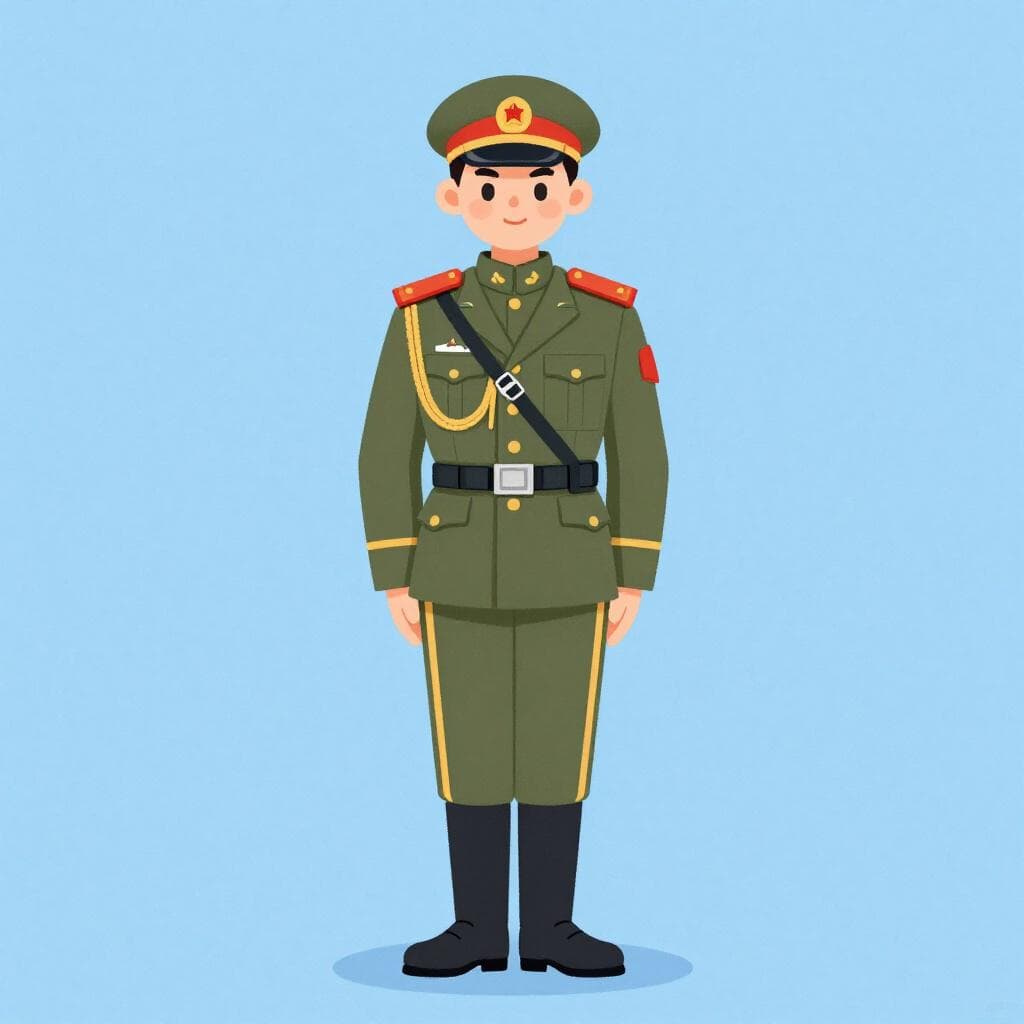
guerrero
gweh-RREH-rohɡeˈreɾo

Examples
Esa tribu tenía un carácter muy guerrero.
That tribe had a very warlike character.
Necesitamos mantener ese espíritu guerrero en el partido final.
We need to maintain that fighting spirit in the final game.
Agreement is Key
As an adjective, 'guerrero' must match the noun it describes in gender and number: 'un pueblo guerrero' (masculine singular), 'naciones guerreras' (feminine plural).
bélico
Examples
Me encantan las películas de género bélico.
I love movies in the war genre.
marcial
mar-SYALmaɾˈsjal

Examples
Los soldados caminaban con un paso marcial por la plaza.
The soldiers walked with a martial stride through the square.
El gobierno declaró la ley marcial tras las protestas.
The government declared martial law after the protests.
Me gusta la música marcial de las bandas de guerra.
I like the military-style music of the marching bands.
One Form for All
This word is 'gender-neutral,' meaning it stays the same whether you are describing a masculine noun (el ritmo marcial) or a feminine noun (la ley marcial).
Placement Matters
Like most adjectives in Spanish, it usually comes after the person or thing it is describing to sound natural.
Avoiding 'Marciala'
Mistake: “La ley marciala.”
Correction: La ley marcial. Because the word ends in 'l', we don't add an 'a' for feminine things.
Guerrero vs. Bélico
Related Translations
Learn Spanish with Inklingo
Interactive stories, personalized learning, and more.