How to Say "we set" in Spanish
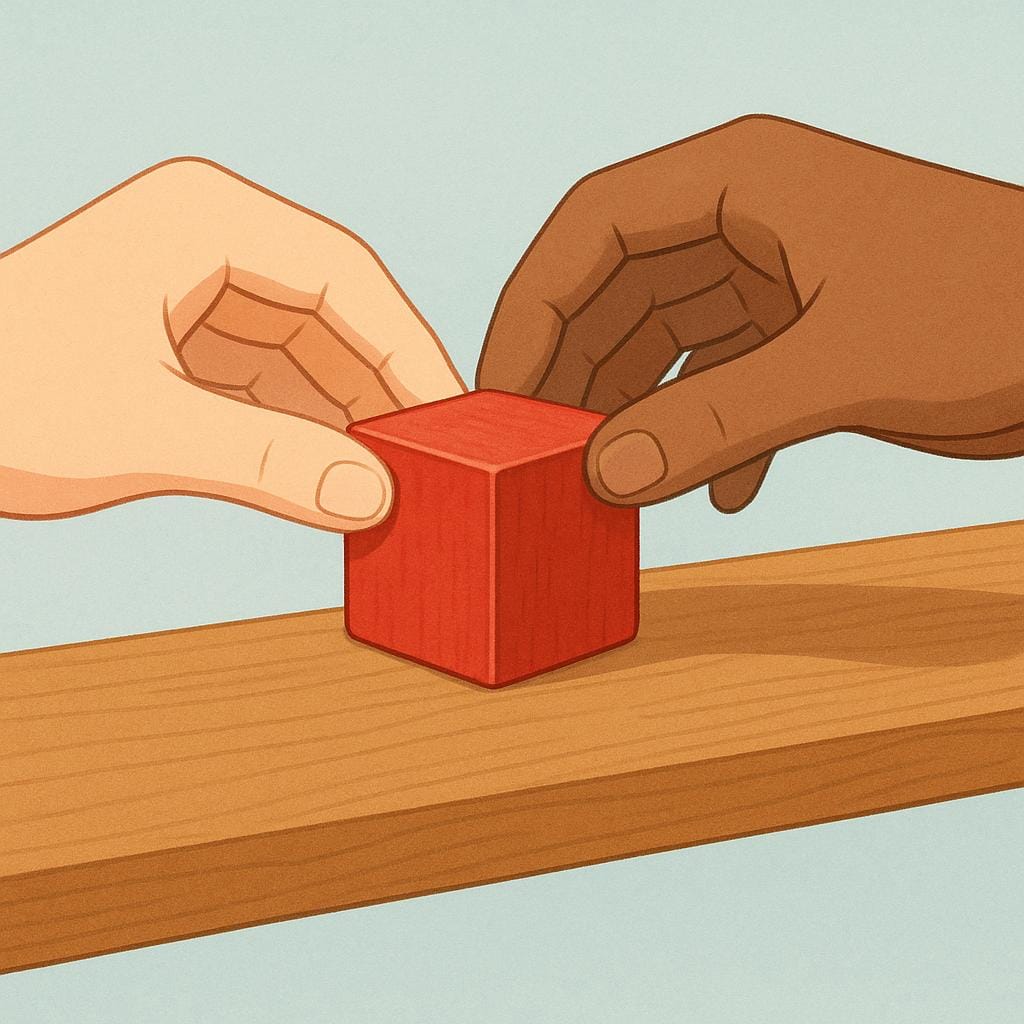
The most common Spanish word for “we set” is “ponemos” — use 'ponemos' when 'we set' refers to the action of arranging items on a table, typically for a meal, or when establishing a deadline or condition.
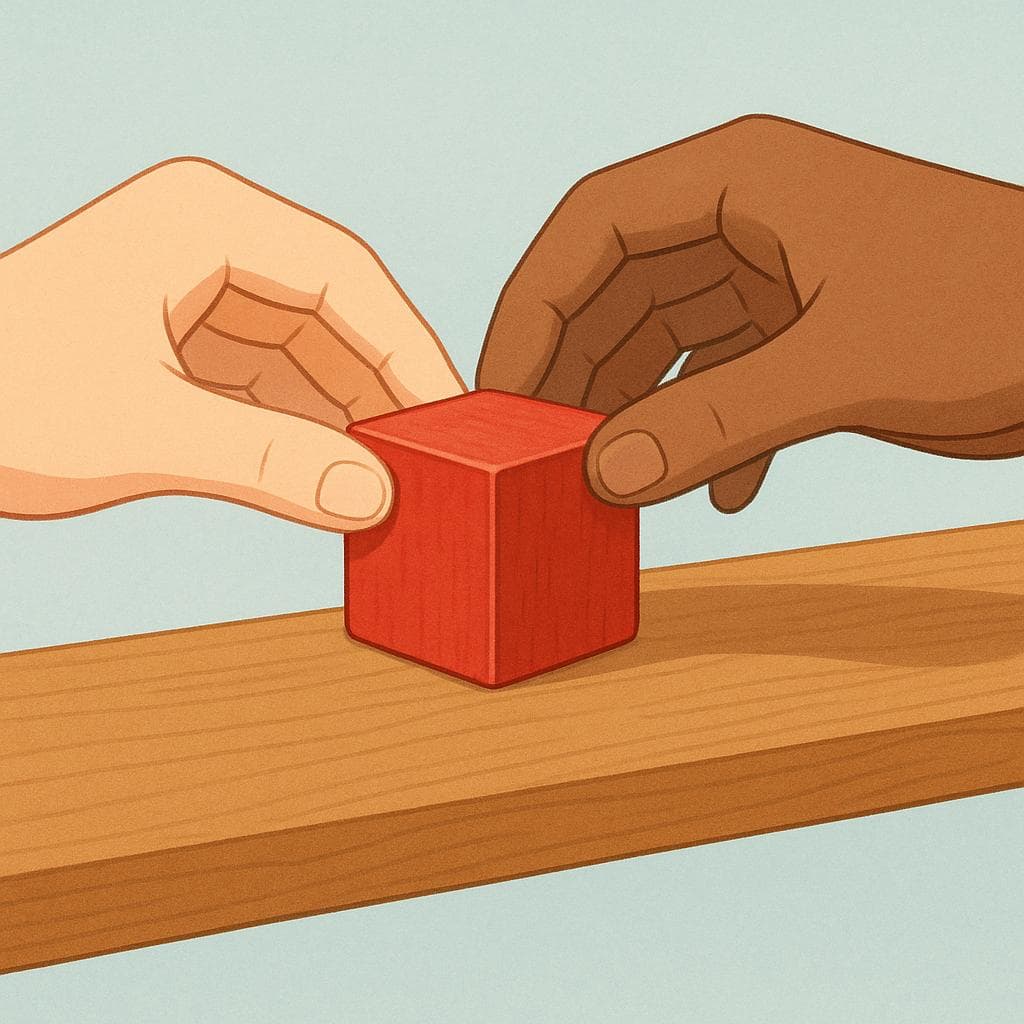

ponemos
poh-NEH-mohspoˈnemos
Examples
Nosotros ponemos la mesa antes de cenar.
We set the table before having dinner.
¿Dónde ponemos las llaves? Siempre las perdemos.
Where do we put the keys? We always lose them.
Ponemos mucha atención a los detalles.
We pay a lot of attention to the details.
Ponemos una fecha límite para el proyecto la próxima semana.
We set a deadline for the project next week.
Irregular 'Yo' Form
The 'yo' form (I) of the present tense is highly irregular: 'yo pongo'. Remember this pattern, as many common verbs follow it.
The 'We' Form is Regular
Even though 'poner' is irregular, the 'nosotros' form ('ponemos') follows the standard pattern for -er verbs in the present tense.
pusimos
poo-SEE-mospuˈsimos

Examples
Nosotros pusimos las llaves en la mesa anoche.
We put the keys on the table last night.
¿Dónde pusimos el libro de español?
Where did we put the Spanish book?
Después del picnic, pusimos la basura en el contenedor.
After the picnic, we put the trash in the container.
Para el proyecto, pusimos límites claros desde el principio.
For the project, we established clear limits from the beginning.
Irregular Preterite Stem
The simple past form of 'poner' is highly irregular. Instead of using the 'pon-' stem, it changes completely to 'pus-'. This is a common pattern for many essential Spanish verbs.
Completed Action
'Pusimos' describes a single action we started and finished completely in the past, like placing an object down once.
Action vs. Result
When using 'pusimos' in this context, we emphasize the action of setting the rule or date, not the state of it being set (which would often use 'estaba puesto').
Confusing Preterite and Imperfect
Mistake: “Usando 'poníamos' para decir 'we put (once)'”
Correction: Use 'pusimos' (preterite) for a specific, completed action. 'Poníamos' (imperfect) means 'we used to put' or 'we were putting'.
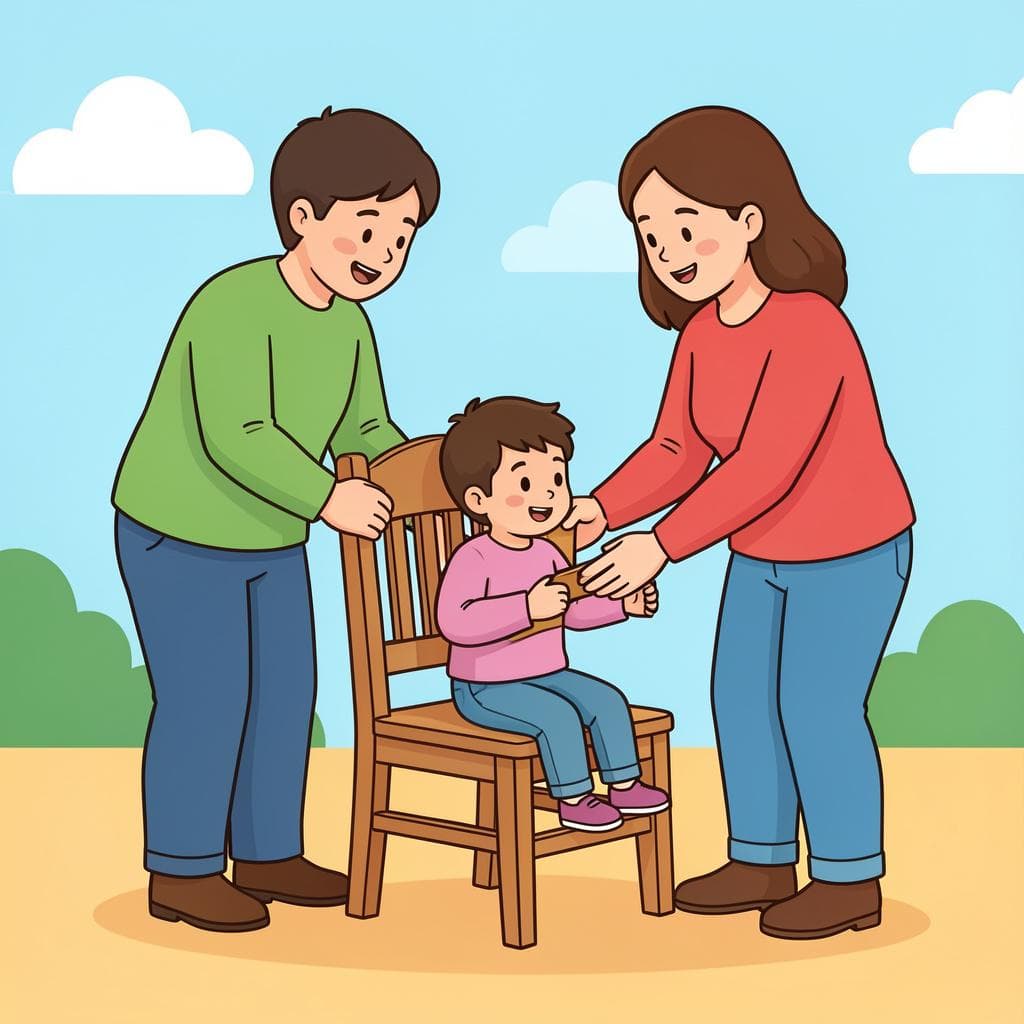
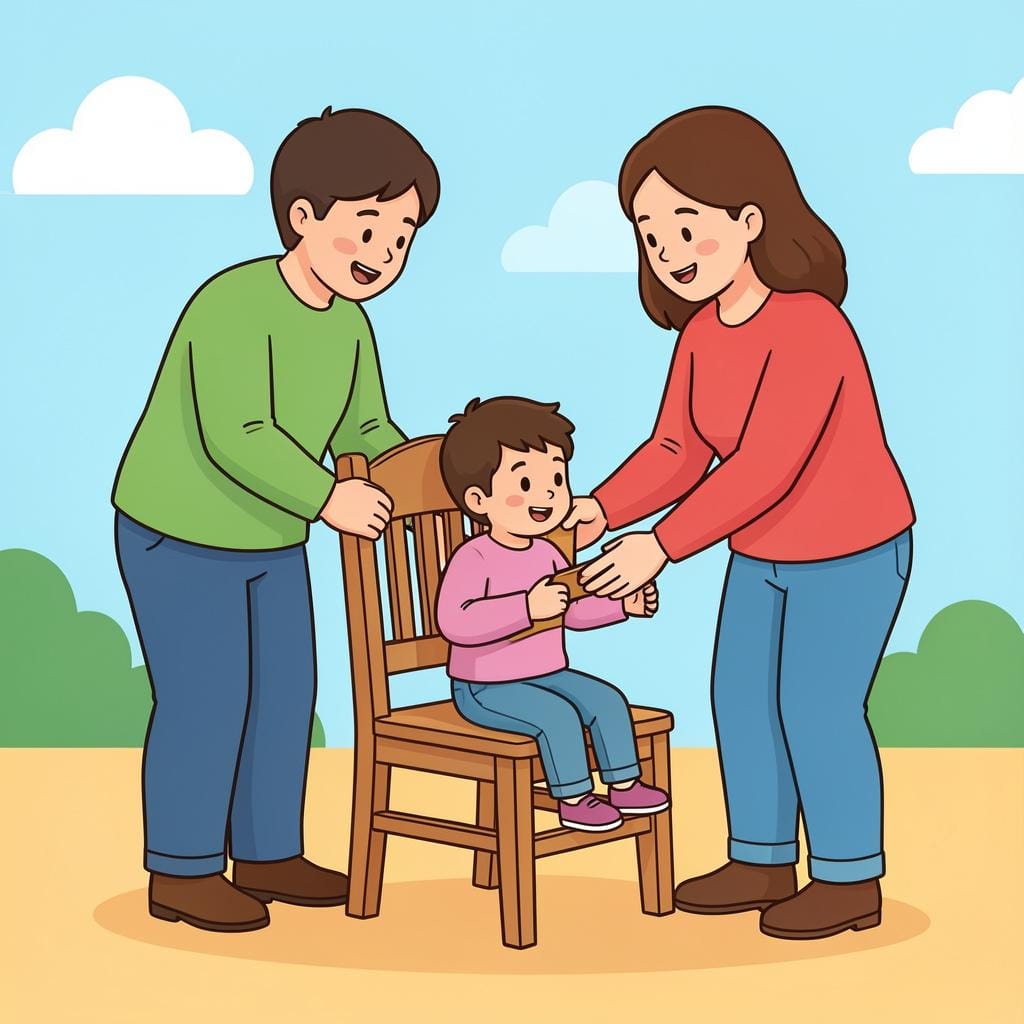
sentamos
sen-TA-mossenˈtamos
Examples
Nosotros sentamos a los niños en la mesa pequeña.
We are seating the children at the small table.
Ayer nos sentamos en el parque por dos horas.
Yesterday we sat in the park for two hours.
Sentamos las bases para el nuevo proyecto.
We set the foundation for the new project.
The Present-Past Mirror
In Spanish, the 'we' (nosotros) form of -ar verbs like 'sentamos' is exactly the same in both the simple present and the simple past. You'll need to use context clues like 'yesterday' or 'now' to tell them apart!
No Stem Change Here
While the base verb (sentar) usually changes its 'e' to 'ie' (like in 'siento'), the 'nosotros' form is an exception and keeps the original 'e'.
The 'Sientamos' Error
Mistake: “sientamos”
Correction: sentamos
Confusing 'poner' and 'sentar'
Related Translations
Learn Spanish with Inklingo
Interactive stories, personalized learning, and more.