How to Say "weakness" in Spanish
The most common Spanish word for “weakness” is “debilidad” — use 'debilidad' when referring to a lack of physical or mental strength, often due to illness, fatigue, or a temporary condition.
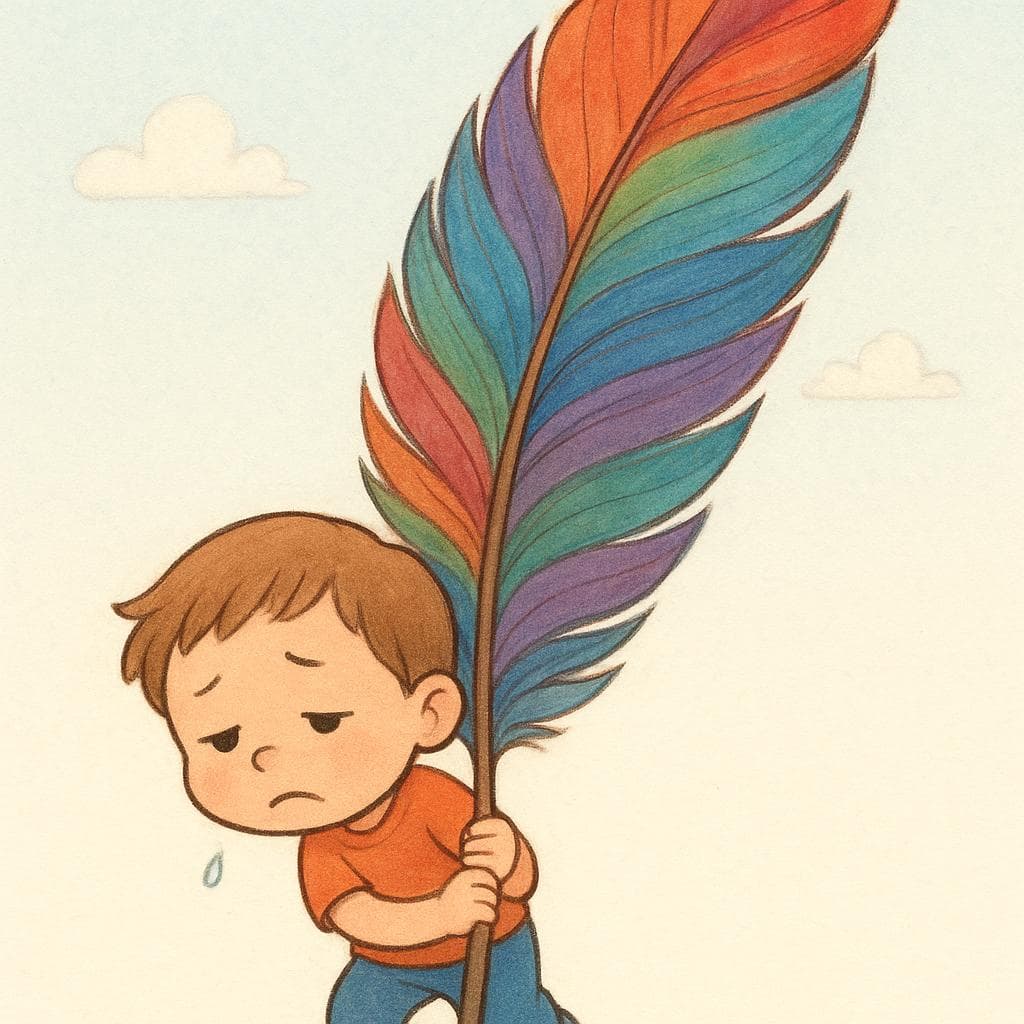
Use 'debilidad' when referring to a lack of physical or mental strength, often due to illness, fatigue, or a temporary condition.
Learn more →Use 'limitación' to describe a personal failing, a flaw, or a specific constraint that restricts one's abilities or potential.
Learn more →deh-bee-lee-DAHDdeβiliˈðað
Examples
Después de la operación, sentía una gran debilidad en todo el cuerpo.
After the operation, he felt great weakness throughout his whole body.
La debilidad de su plan era que no tenían suficiente dinero.
The weakness (or flaw) of their plan was that they didn't have enough money.
Ella reconoció la debilidad de su carácter: era demasiado orgullosa.
She recognized the weakness of her character: she was too proud.
Gender Rule
Most Spanish words ending in -dad, like 'debilidad', are feminine. Always use 'la' or 'una' with them.
Confusing with Adjective
Mistake: “Usar 'débilidad' (with accent).”
Correction: The noun form 'debilidad' does not carry an accent mark, although the related adjective 'débil' (weak) does.
limitación
Examples
Él conoce muy bien sus propias limitaciones.
He knows his own limitations very well.
Debilidad vs. Limitación
Learners often confuse 'debilidad' and 'limitación' by using 'debilidad' for personal flaws. Remember, 'debilidad' is about a lack of strength (physical or mental), while 'limitación' refers to a personal shortcoming or boundary.
Related Translations
Learn Spanish with Inklingo
Interactive stories, personalized learning, and more.