How to Say "weight" in Spanish
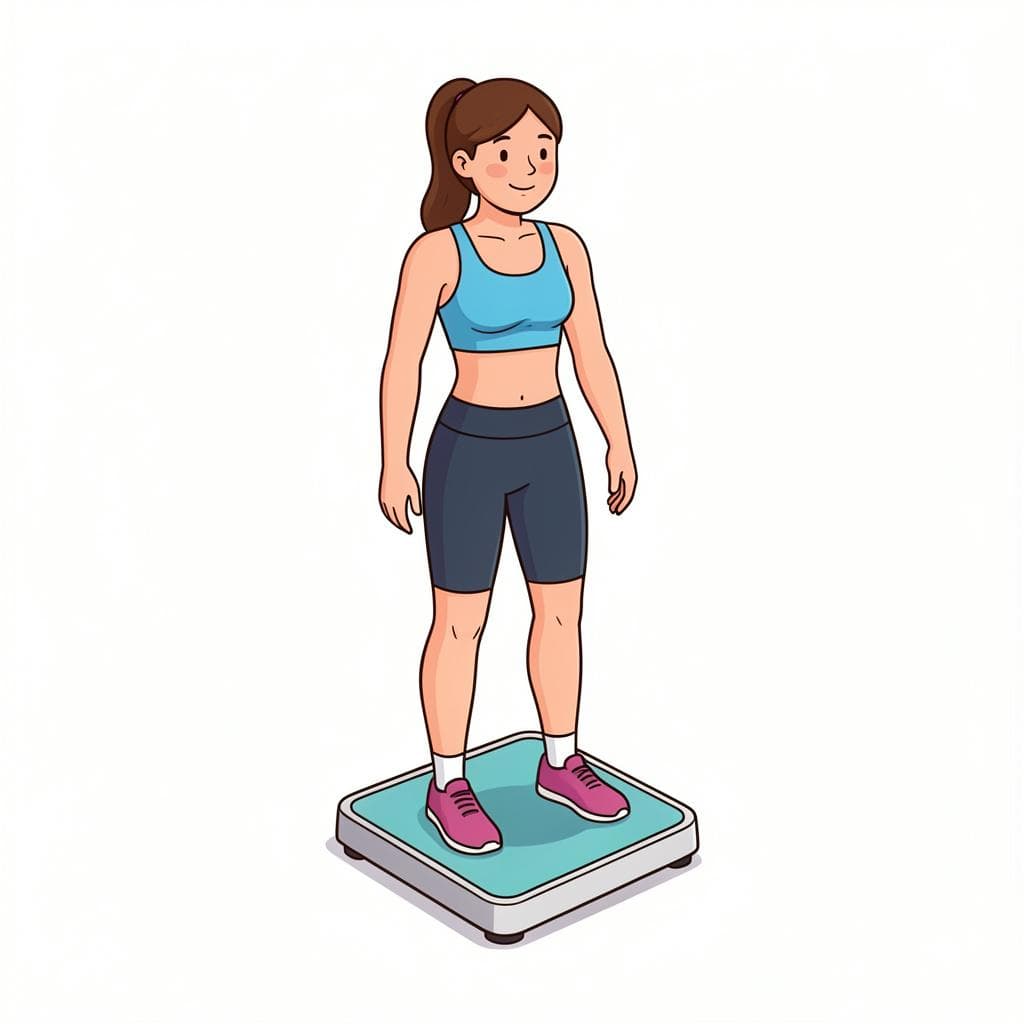
The most common Spanish word for “weight” is “peso” — use 'peso' when referring to the physical heaviness of an object or person, like in a measurement.

peso
PEH-sohˈpeso

Examples
Necesito saber el peso exacto de mi equipaje.
I need to know the exact weight of my luggage.
Ha perdido diez kilos de peso desde enero.
She has lost ten kilograms of weight since January.
Masculine Noun Rule
Remember that 'peso' is a masculine word, so you must use the masculine article 'el' (el peso) or the plural 'los' (los pesos).
Confusing 'peso' and 'pesado'
Mistake: “Using 'peso' as an adjective (e.g., 'La caja es mucho peso').”
Correction: Use the adjective 'pesada' instead: 'La caja es muy pesada' (The box is very heavy). 'Peso' is the noun (the thing being measured).
kilo
kee-lohˈkilo
Examples
He engordado un par de kilos en vacaciones.
I've put on a couple of kilos over the holidays.
Necesito perder unos kilos antes del verano.
I need to lose a few kilos before summer.
Plural Usage
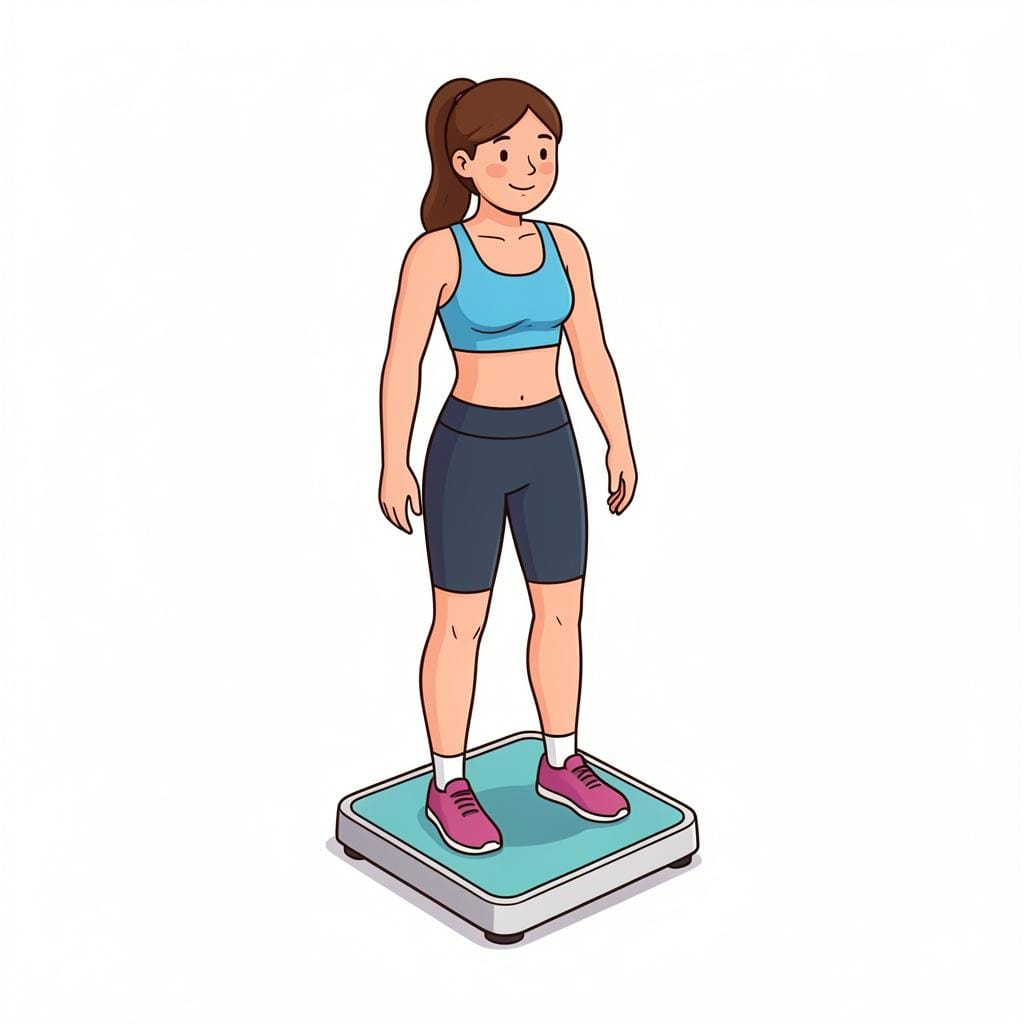
When talking about body weight in general, we usually use the plural form 'los kilos' or 'unos kilos'.
opresión
Examples
Siento una fuerte opresión en el pecho cuando estoy nervioso.
I feel a strong tightness in my chest when I am nervous.
Physical vs. Figurative Heaviness
Related Translations
Learn Spanish with Inklingo
Interactive stories, personalized learning, and more.