How to Say "you cut" in Spanish
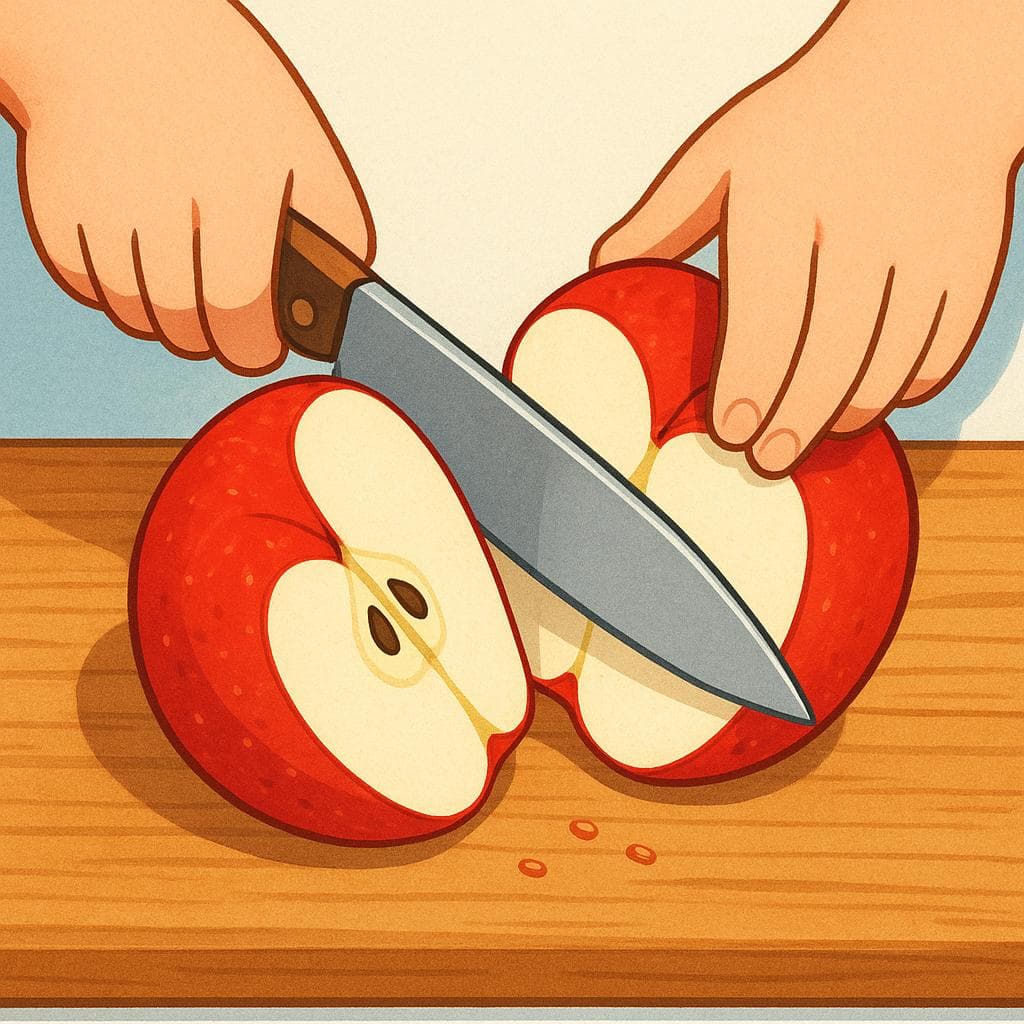
The most common Spanish word for “you cut” is “cortas” — use this form when referring to the direct physical action of dividing or severing something with a sharp tool, like cutting paper or food.


cortas
kor-tahsˈkoɾtas

Examples
Tú cortas el pan para la cena.
You cut the bread for dinner.
Siempre cortas la llamada cuando hablo.
You always cut the call off when I speak.
The 'You' form
In Spanish, adding '-as' to the end of a regular verb like 'cortar' tells us you are talking to one friend or family member (tú).
Confusing 'you' with 'he/she'
Mistake: “Él cortas.”
Correction: Say 'Él corta'. The extra 's' at the end is specifically for 'tú' (you).
partes
PAR-tessˈpaɾ.tes
Examples
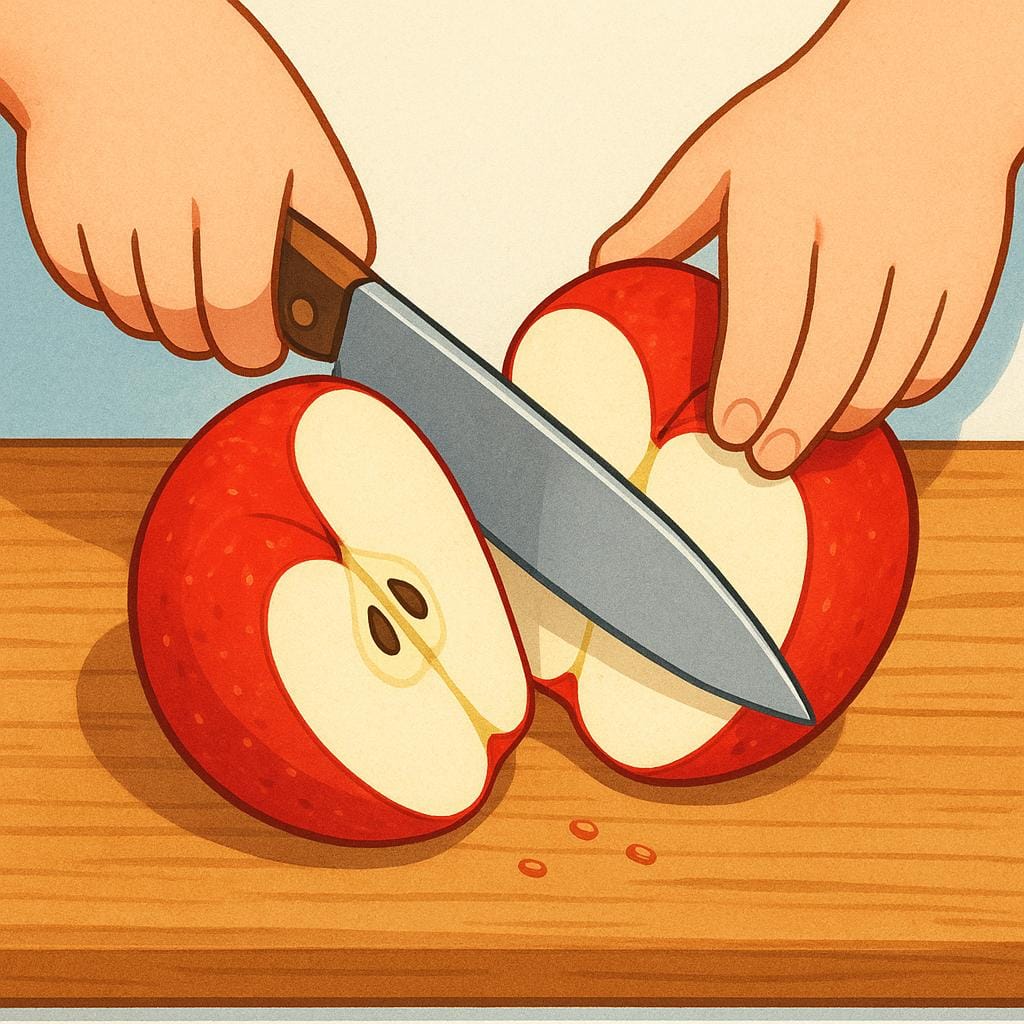
Tú siempre partes el pastel en porciones iguales.
You always cut the cake into equal portions.
¿Por qué partes la nuez con los dientes?
Why are you breaking the nut with your teeth?
Si partes ahora, llegarás a tiempo.
If you leave now, you will arrive on time.
Action for 'Tú' (You)
This is a verb form from 'partir' used when you're talking to one friend ('tú'). The '-es' ending on an '-ir' verb is a common signal that you're talking to 'tú' right now.
Leaving a Place vs. a Journey
Mistake: “¿Partes de la oficina ahora?”
Correction: ¿Sales de la oficina ahora? Use 'salir' for leaving a building or room. Use 'partir' more for starting a longer trip or journey, like 'partir a Madrid' (to leave for Madrid).
cortes
kor-tesˈkoɾtes

Examples
Quiero que cortes el cable con cuidado.
I want you to cut the cable carefully.
No cortes la tela con esas tijeras viejas.
Don't cut the fabric with those old scissors. (Negative tú command)
Quizás cortes un poco de queso para los invitados.
Maybe you could cut some cheese for the guests. (Expressing possibility)
Subjunctive Trigger
The form 'cortes' is used when expressing desires, doubts, or emotions directed toward the person you are talking to (tú): 'Dudo que cortes el papel bien' (I doubt that you cut the paper well).
Affirmative vs. Negative Command
Mistake: “Using 'cortas' for the negative command: 'No cortas eso.'”
Correction: The negative 'tú' command always uses the subjunctive form: 'No cortes eso.' (Don't cut that.)
Cortar vs. Partir for 'to cut'
Related Translations
Learn Spanish with Inklingo
Interactive stories, personalized learning, and more.