How to Say "sections" in Spanish
The most common Spanish word for “sections” is “partes” — use 'partes' when referring to general divisions or components of something, such as sections of a book, areas of a city, or individual pieces of a machine.

partes
PAR-tessˈpaɾ.tes
Examples
El libro está dividido en tres partes.
The book is divided into three sections.
El coche necesita partes nuevas.
The car needs new parts.
Me gustan todas las partes de la película.
I like all the parts of the movie.
Ambas partes están de acuerdo con los términos.
Both sides agree with the terms.
Always Feminine
'Partes' comes from the word 'la parte', which is a feminine noun. So, even though it ends in '-es', you should use feminine words like 'las' or 'unas' with it: 'las partes', not 'los partes'.
Party vs. Parts
Mistake: “Voy a dos partes este fin de semana.”
Correction: Voy a dos fiestas este fin de semana. 'Partes' means pieces or sides. For a celebration, always use 'fiesta'.
brazos
BRAH-sohsˈbɾasos

Examples
El río se divide en varios brazos antes de llegar al mar.
The river divides into several sections before reaching the sea.
El delta del río se divide en varios brazos antes de llegar al mar.
The river delta divides into several branches before reaching the sea.
Tuvimos que reemplazar los brazos de la grúa hidráulica.
We had to replace the support arms of the hydraulic crane.
cortes
kor-tesˈkoɾtes
Examples
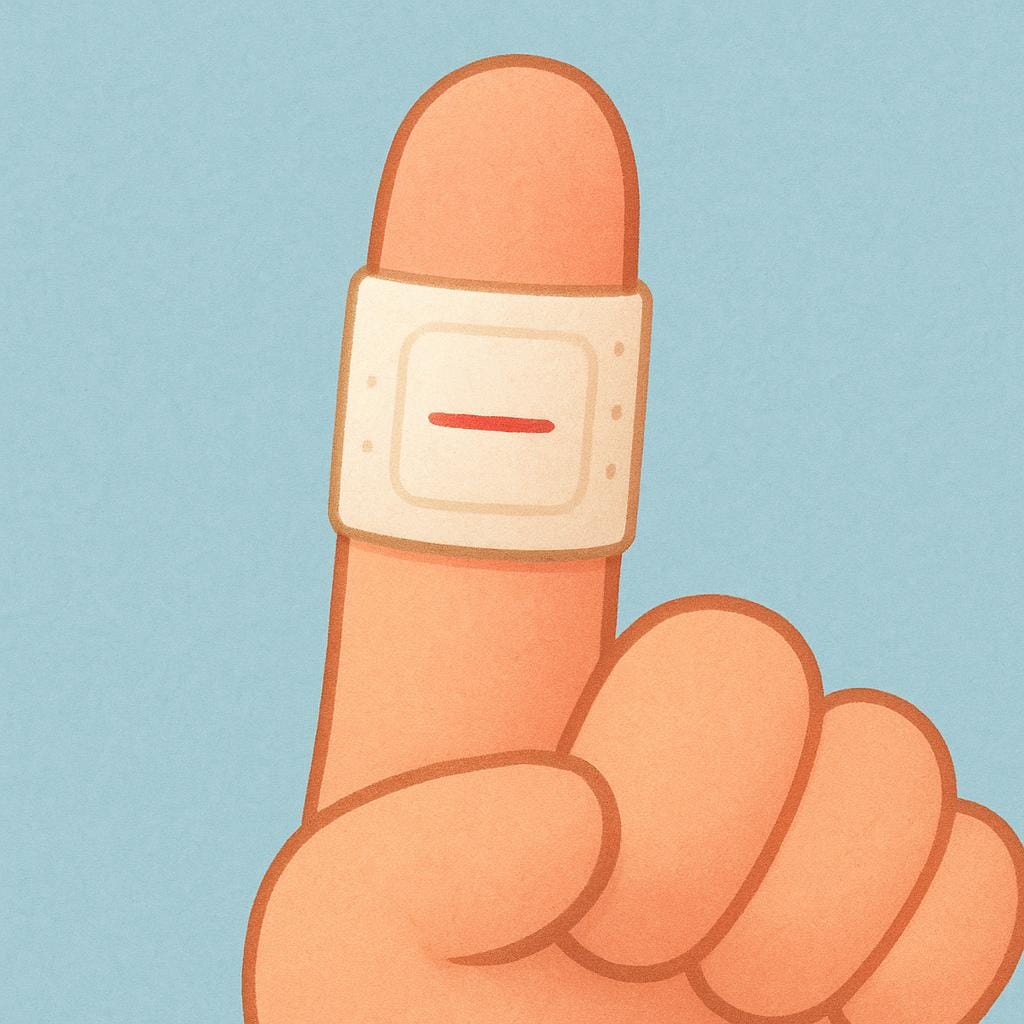
Los cortes en la tela eran muy precisos.
The sections in the fabric were very precise.
Los cortes en su brazo eran superficiales.
The cuts on his arm were superficial.
Tuvimos varios cortes de electricidad durante la tormenta.
We had several power cuts during the storm.
Me gusta el corte de pelo que tienes.
I like the haircut (literally, 'cut of hair') you have.
Gender Trap
Even though the singular noun el corte ends in -e, it is masculine, meaning its plural form los cortes is also masculine. Always use 'los' with this meaning.
Parts vs. Arms vs. Cuts
Related Translations
Learn Spanish with Inklingo
Interactive stories, personalized learning, and more.