How to Say "arms" in Spanish
The most common Spanish word for “arms” is “armas” — use 'armas' when referring to weapons or firearms in general, such as those found in a museum or used in a conflict.

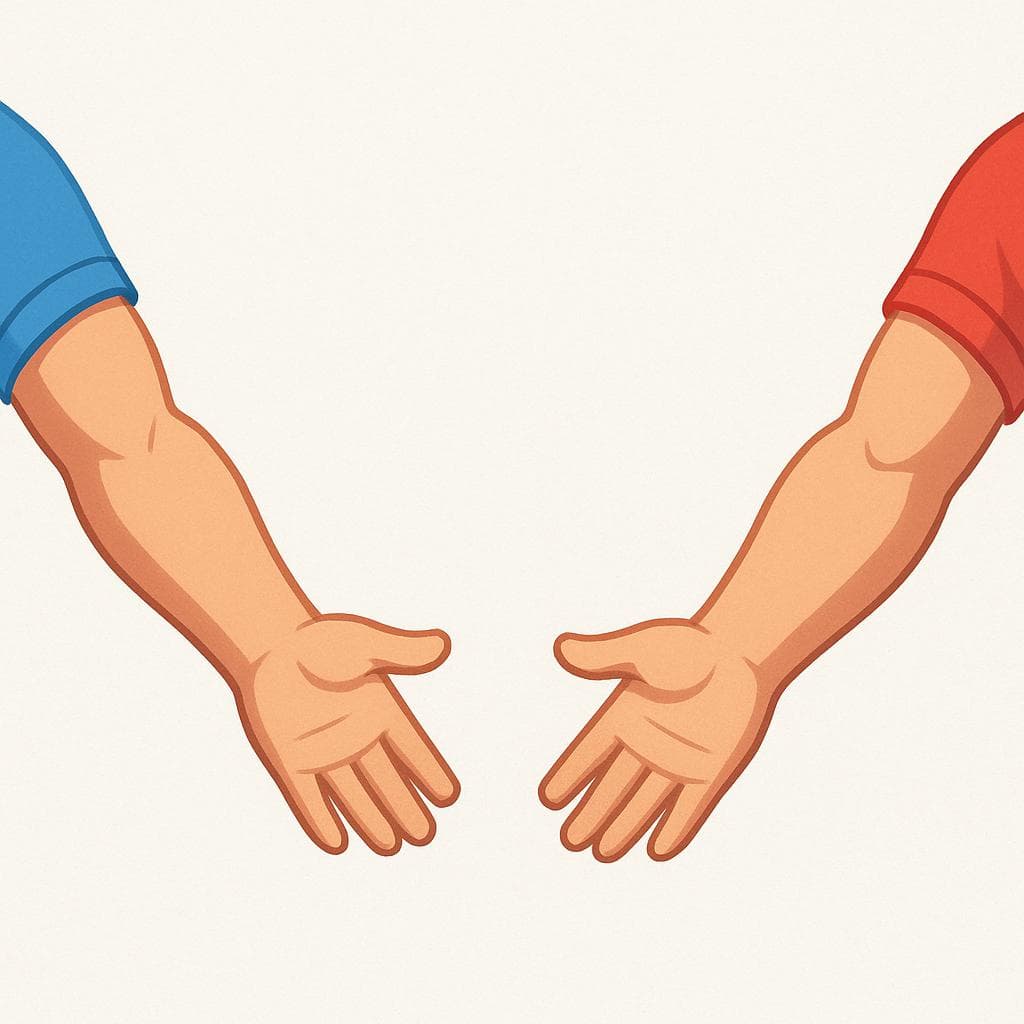
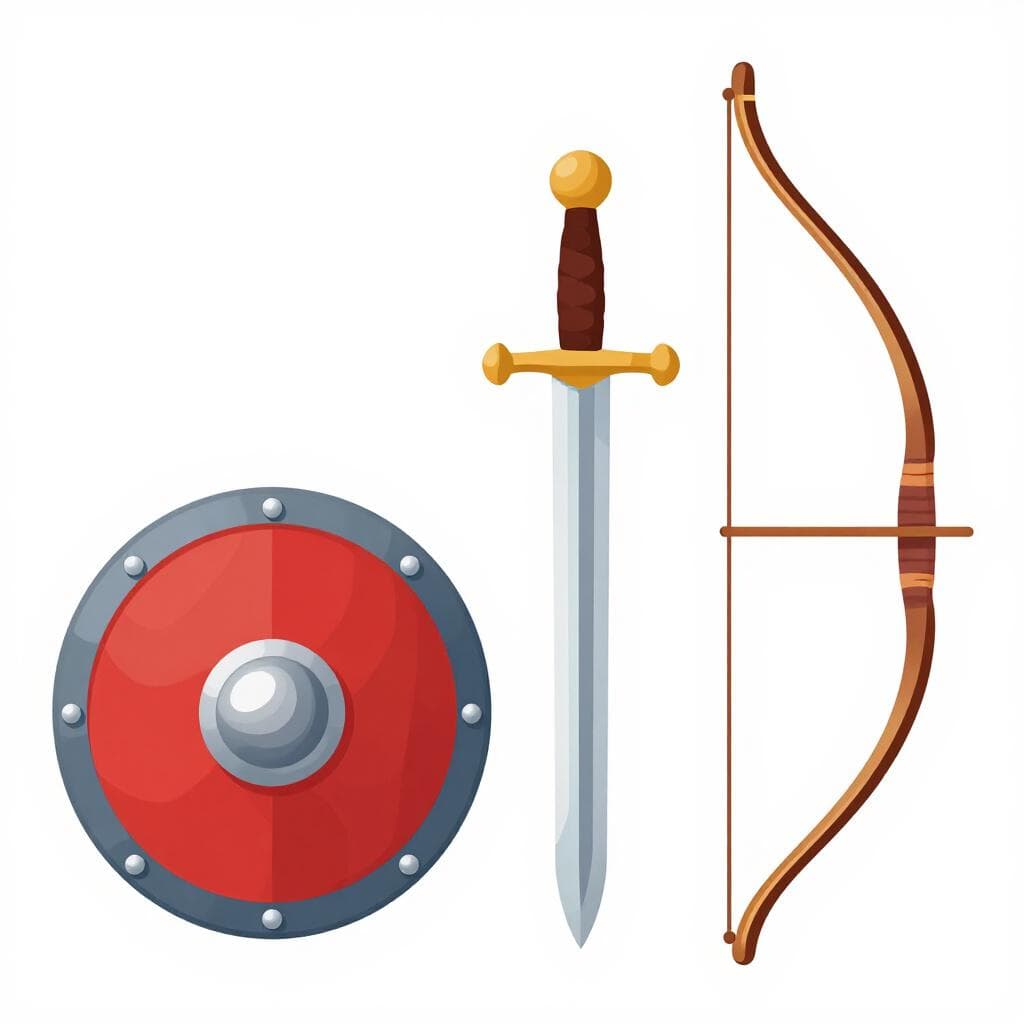
armas
AR-masˈaɾmas

Examples
El policía llevaba una pistola como arma de servicio.
The police officer carried a pistol as a service weapon.
El museo tiene una colección de armas antiguas.
The museum has a collection of ancient weapons.
La policía encontró las armas en el coche.
The police found the weapons in the car.
Para tener éxito, tus mejores armas son la paciencia y el trabajo duro.
To succeed, your best tools (weapons) are patience and hard work.
A Tricky Gender Rule
Even though 'arma' is a feminine word, in its singular form we say 'el arma'. This is a special rule to make the pronunciation flow better and avoid the 'a-a' sound of 'la arma'. In the plural, it goes back to normal: 'las armas'.
Singular vs. Plural
Mistake: “La arma es peligrosa.”
Correction: El arma es peligrosa. Remember that for singular feminine words starting with a stressed 'a' sound (like agua, alma, arma), you use 'el'. But any describing words still need to be feminine, like 'peligrosa'.
brazos
BRAH-sohsˈbɾasos
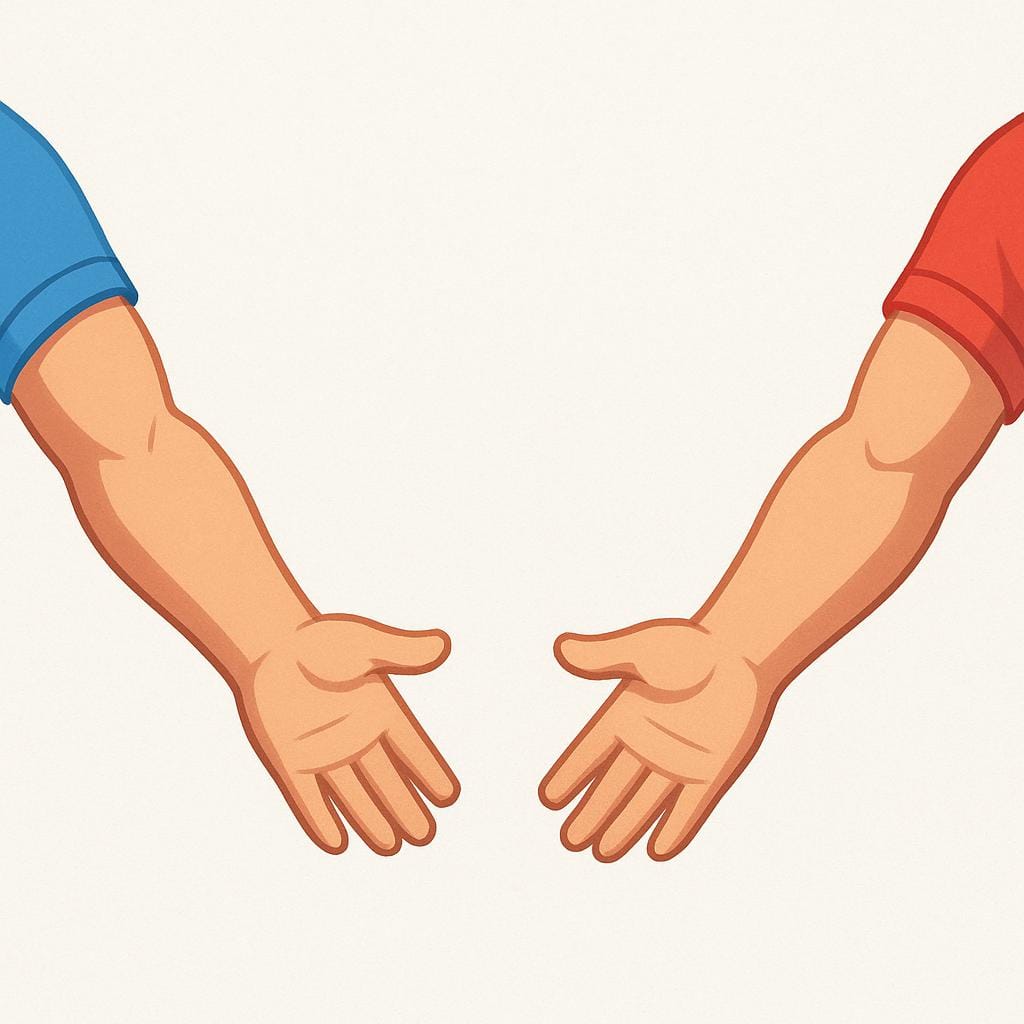
Examples
Se cayó y se lastimó ambos brazos.
He fell and injured both his arms.
Necesitas estirar los brazos antes de nadar.
You need to stretch your arms before swimming.
Tenía muchos paquetes en los brazos y no podía abrir la puerta.
She had many packages in her arms and couldn't open the door.
Natural Plural Usage
In Spanish, body parts are often referred to using the definite article (el, la, los, las) instead of possessive adjectives (my, your). For example: 'Me duelen los brazos' (My arms hurt).
Using 'Mis brazos'
Mistake: “Me duelen mis brazos.”
Correction: Me duelen los brazos. (The reflexive structure indicates whose arms they are, making 'mis' redundant and unnatural.)
armamento
ahr-mah-MEN-tohaɾmaˈmento

Examples
El país invirtió fuertemente en nuevo armamento.
The country invested heavily in new weaponry.
El ejército mostró su nuevo armamento durante el desfile.
The army showed its new weaponry during the parade.
Muchos países están reduciendo su armamento nuclear.
Many countries are reducing their nuclear armament.
La inversión en armamento ha crecido este año.
Investment in arms has grown this year.
Collective Noun
This word is a 'group word.' Even though it refers to many weapons, it is usually used in the singular form to describe the whole set.
Ends in -mento
Words ending in '-mento' in Spanish are almost always masculine, so you will always use 'el' or 'un' with it.
Don't use it for a single item
Mistake: “El policía sacó su armamento.”
Correction: El policía sacó su arma. Use 'arma' for one pistol or knife; use 'armamento' for a collection or system of weapons.
Confusing Weapons with Body Parts
Learn Spanish with Inklingo
Interactive stories, personalized learning, and more.