Office & Workplace Spanish Words
Navigating the modern workplace requires a specific vocabulary, and Spanish is no exception! This set of words will help you discuss everything from your desk and office supplies to your colleagues and job roles. Understanding these terms is super useful for anyone working in or interacting with a Spanish-speaking professional environment, whether in person or remotely.
Quick Reference
| Spanish | English | Example | Level |
|---|---|---|---|
bolígrafo | ballpoint pen | ¿Me prestas un bolígrafo, por favor? | A1 |
carpeta | folder | Tengo todos mis dibujos en una carpeta azul. | A1 |
despacho | office | El abogado tiene su despacho en el tercer piso. | A2 |
empleado | employee | El nuevo empleado de la tienda es muy rápido. | A1 |
encargado | manager | El encargado del almacén revisó el inventario. | A2 |
escritorio | desk | Mi nuevo escritorio tiene tres cajones grandes. | A1 |
firma | signature | Por favor, ponga su firma aquí abajo. | A1 |
oficina | office | Mi papá trabaja en una oficina. | A1 |
plantilla | template | He descargado una plantilla para mi currículum. | A2 |
secretario | secretary | El secretario organizó todos los documentos para la reunión de hoy. | A2 |
bufete | law firm | Mi primo trabaja en un bufete de abogados muy famoso. | B1 |
corporativo | corporate | Tengo una cuenta de correo corporativo. | B1 |
A1 — Beginner (6 words)

ballpoint pen
“¿Me prestas un bolígrafo, por favor?”

folder
“Tengo todos mis dibujos en una carpeta azul.”

employee
“El nuevo empleado de la tienda es muy rápido.”

desk
“Mi nuevo escritorio tiene tres cajones grandes.”

signature
“Por favor, ponga su firma aquí abajo.”

office
“Mi papá trabaja en una oficina.”
A2 — Elementary (5 words)

office
“El abogado tiene su despacho en el tercer piso.”

manager
“El encargado del almacén revisó el inventario.”

template
“He descargado una plantilla para mi currículum.”

secretary
“El secretario organizó todos los documentos para la reunión de hoy.”
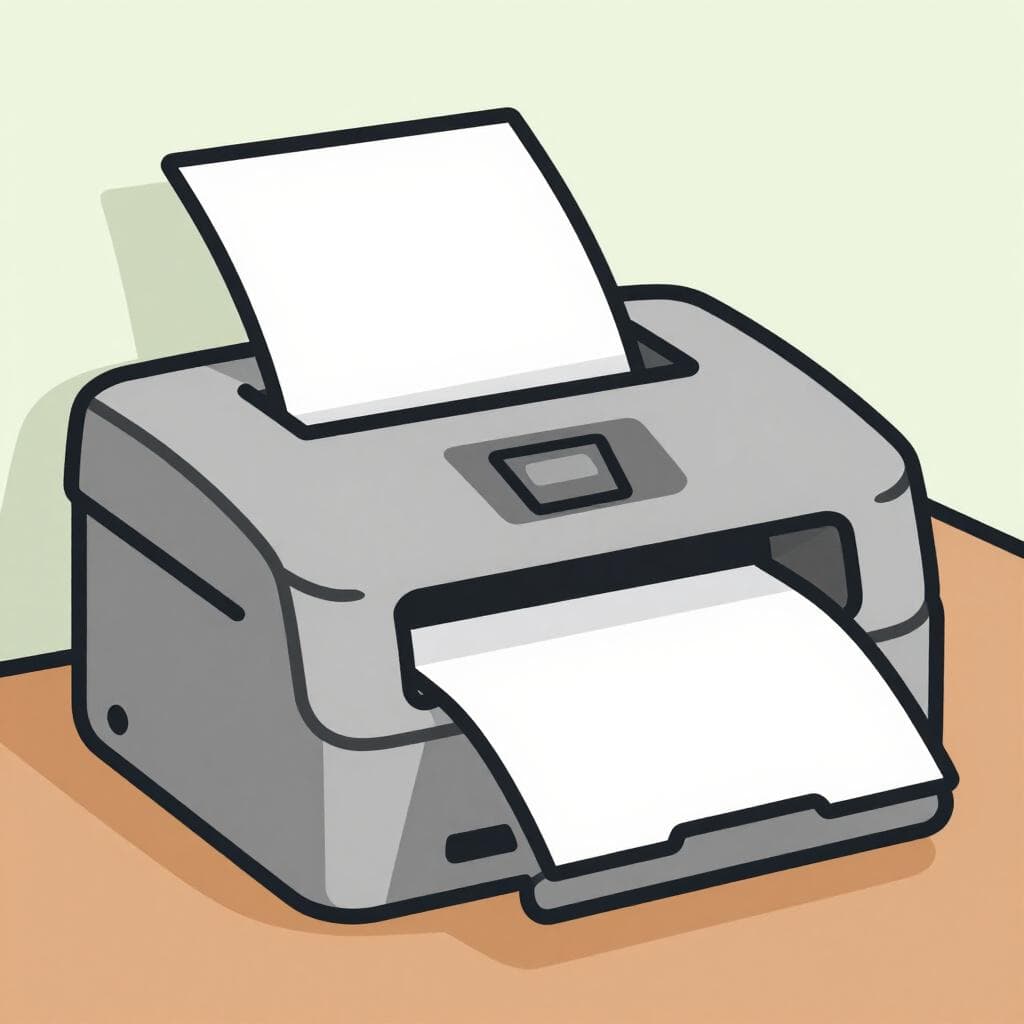
fax machine
“El fax de la oficina está roto.”
B1 — Intermediate (2 words)

law firm
“Mi primo trabaja en un bufete de abogados muy famoso.”

corporate
“Tengo una cuenta de correo corporativo.”
Grammar Tips
Office Nouns: Gender Matters
Most Spanish nouns referring to objects and places have a grammatical gender. For example, 'el escritorio' (desk) is masculine, while 'la oficina' (office) is feminine. Remember to match articles and adjectives accordingly: 'el escritorio nuevo' (the new desk) or 'la oficina grande' (the big office).
Pluralizing Workplace Terms
Forming plurals for office-related words usually follows standard Spanish rules: add -s to words ending in a vowel and -es to words ending in a consonant. So, 'la oficina' becomes 'las oficinas' (offices), and 'el empleado' becomes 'los empleados' (employees).
Employee Roles: Masculine & Feminine
When referring to employees, Spanish often uses gendered nouns. 'El empleado' (male employee) and 'la empleada' (female employee) are common. If you want to refer to employees collectively or a mixed group, use the masculine plural: 'los empleados'.
Common Mistakes
Adjective Placement
Mistake: “Tengo un corporativo nuevo escritorio.”
Correction: Tengo un escritorio corporativo nuevo. — In Spanish, descriptive adjectives like 'corporativo' (corporate) usually come *after* the noun they modify. 'Nuevo' (new) can sometimes precede, but following the noun is also common and safe here.
Using 'Empleado' for All
Mistake: “Todas las empleado trabajan aquí.”
Correction: Todos los empleados trabajan aquí. — When referring to a mixed-gender group or a general group of employees, use the masculine plural form 'empleados'. 'Todos' also needs to agree in gender and number with 'empleados'.
Singular vs. Plural 'Office'
Mistake: “Yo trabajo en la oficina.”
Correction: Yo trabajo en las oficinas. — If you're referring to the general concept of working in the office environment or a large building with multiple offices, 'las oficinas' (plural) might be more appropriate than 'la oficina' (a single, specific office room).
Cultural Notes
The 'Despacho' vs 'Oficina'
While 'oficina' is the general term for office, 'despacho' often refers to a private office or study, especially in Spain. It can also refer to a professional's office, like a lawyer's 'despacho de abogados' (law firm).
Hierarchy and Titles
In many Spanish-speaking workplaces, there's a strong sense of hierarchy. Using formal titles ('Señor/Señora' + last name) and acknowledging positions like 'encargado' (manager/person in charge) can be important for professional etiquette.