caimán
“caimán” betyder “caiman” på spanska. Det har 2 olika betydelser beroende på sammanhang:
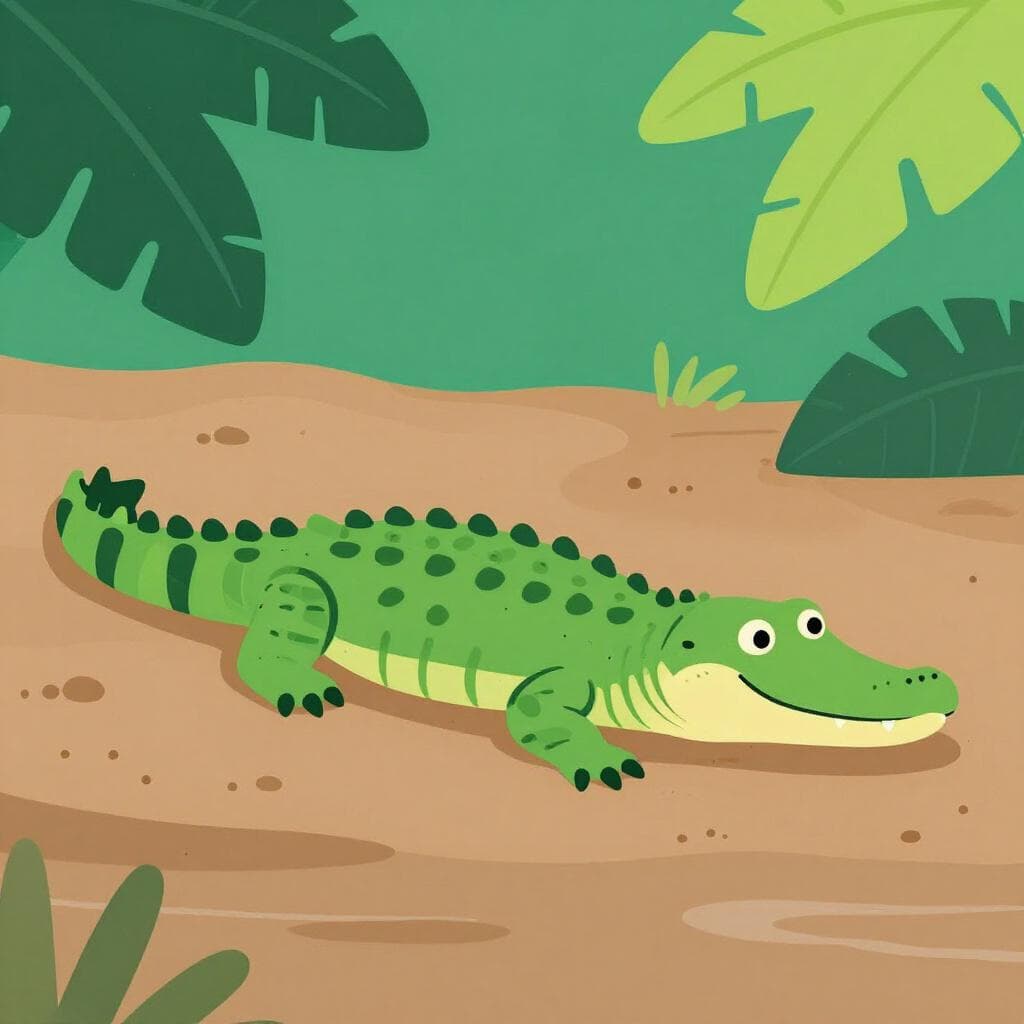

caiman, alligator
Även: crocodilian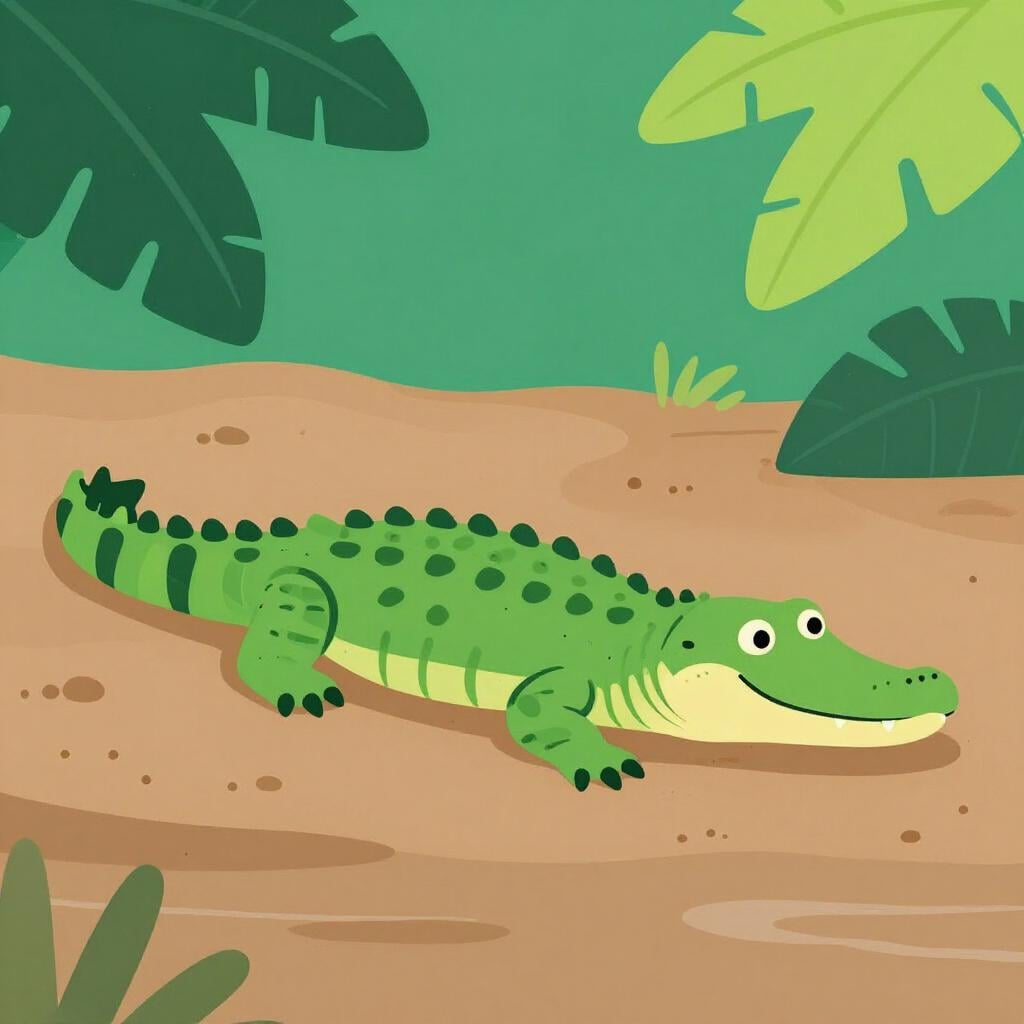
📝 I praktiken
Vimos un caimán tomando el sol en la orilla del río.
A2We saw a caiman sunbathing on the riverbank.
La piel de caimán es conocida por su dureza y textura única.
B1Caiman skin is known for its toughness and unique texture.
A diferencia de los cocodrilos, los caimanes suelen ser más pequeños.
B2Unlike crocodiles, caimans are usually smaller.
old hand, shrewd person
Även: pro
📝 I praktiken
No intentes engañarlo; ese abogado es un caimán.
B2Don't try to fool him; that lawyer is an old hand (very shrewd).
Para jugar en esa liga tienes que ser un caimán.
C1To play in that league, you have to be a real pro.
Ordförrådssamlingar
✏️ Snabbövning
Snabbt quiz: caimán
Fråga 1 av 3
If you see a female caiman, how should you refer to it?
📚 Fler resurser
👥 Ordfamilj▼
🎵 Rim▼
📚 Etymologi▼
From the Taíno (an indigenous language of the Caribbean) word for the animal, which was adopted by Spanish explorers in the 16th century.
Först dokumenterat: 16th century
Besläktade ord
💡 Bemästra spanska
Ta din spanska till nästa nivå. Läs över 200 illustrerade och berättade spanska berättelser anpassade efter din nivå med Inklingo-appen!
Vanliga frågor
Is a caiman the same as a crocodile?
Technically no, they are different species within the same family, but in casual Spanish, 'caimán' is often used for the smaller, local versions found in Central and South America.
Do people use 'caimán' in Spain?
While understood, it is much less common in Spain because the animal isn't native there. They are more likely to use 'cocodrilo' as a general term.
Is 'caimán' an offensive word for a person?
Not necessarily. It usually implies the person is 'street smart' or a 'pro'. However, it can imply they are sneaky, so pay attention to the context!