Spanska Substantiv
Spanish nouns (sustantivos) name people, places, things, or ideas. Every Spanish noun has a grammatical gender - either masculine or feminine - which affects the articles and adjectives used with it. Nouns also change form to show number (singular or plural).
Nyckelegenskaper
Grammatical Gender
All Spanish nouns are either masculine or feminine, even if the object has no biological gender. "El libro" (book) is masculine, "la mesa" (table) is feminine.
Gender Patterns
Nouns ending in -o are usually masculine; those ending in -a are usually feminine. But there are many exceptions to learn.
Plural Formation
Add -s if the noun ends in a vowel, -es if it ends in a consonant. Some nouns have irregular plurals.
Articles Required
Spanish uses articles (el, la, los, las, un, una) more frequently than English does.
Visuella Exempel
Utforska dessa substantiv med bilder och ljuduttal från vår visuella ordbok.

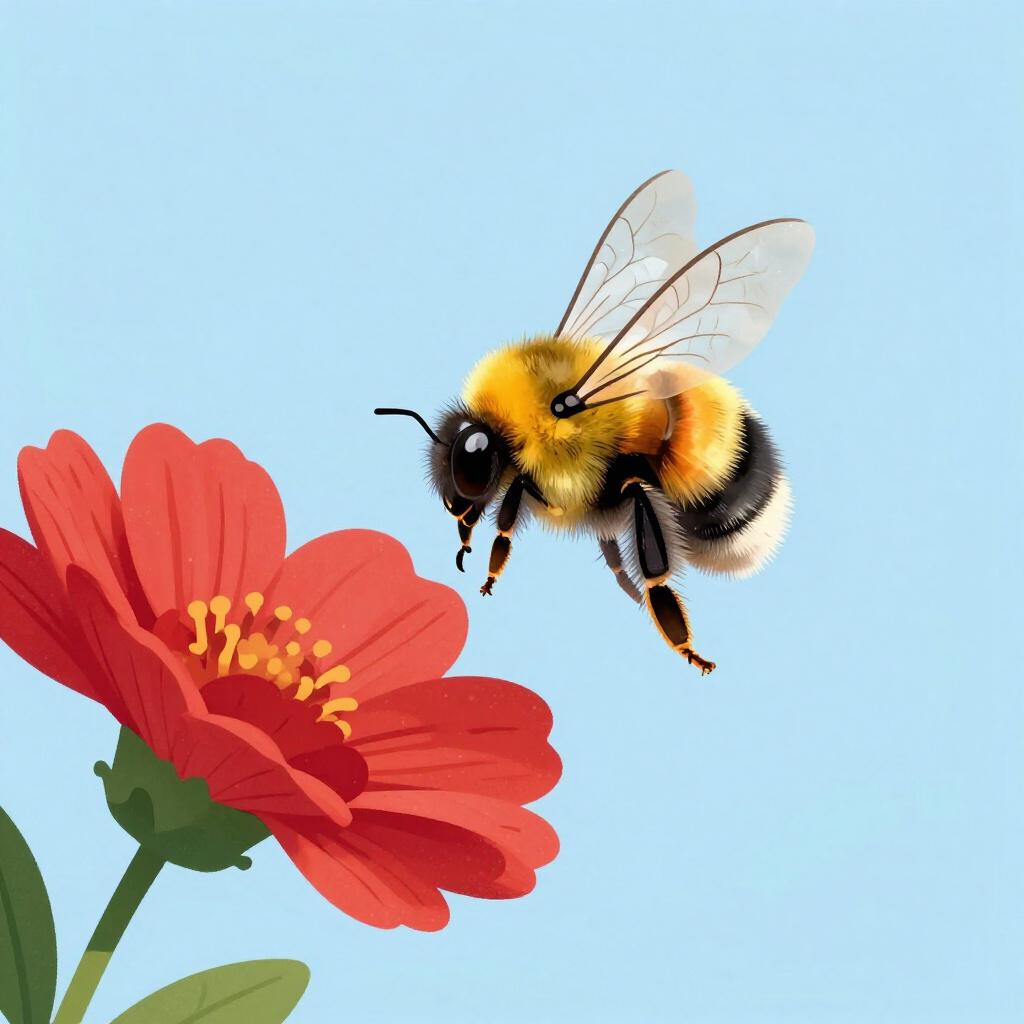
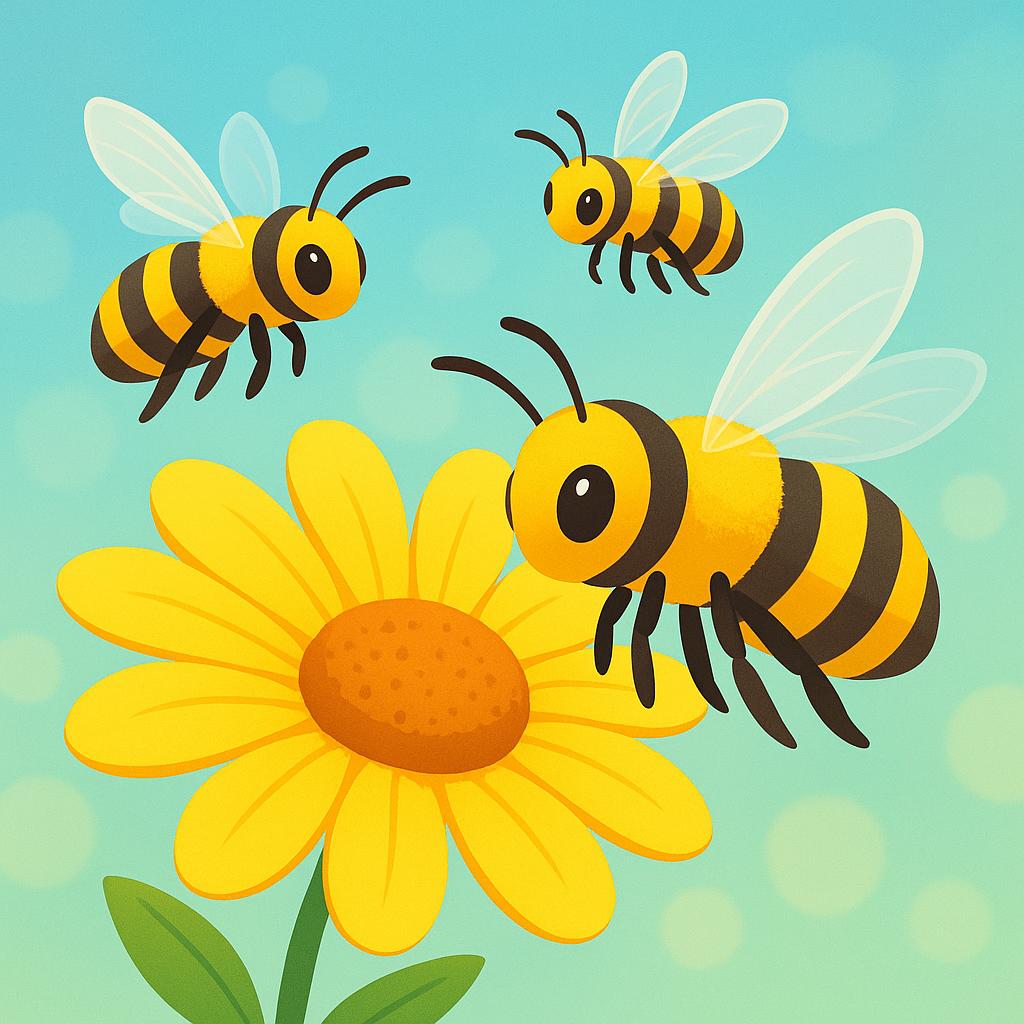

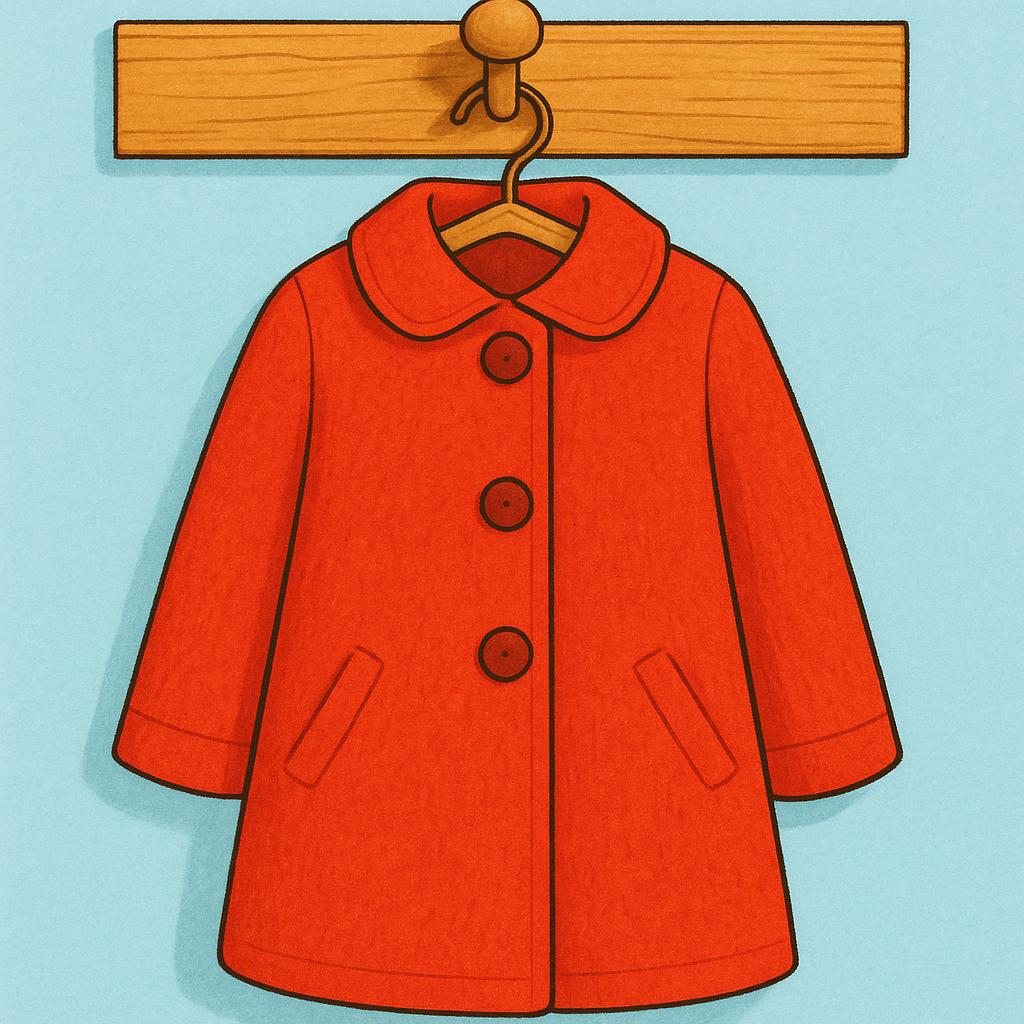
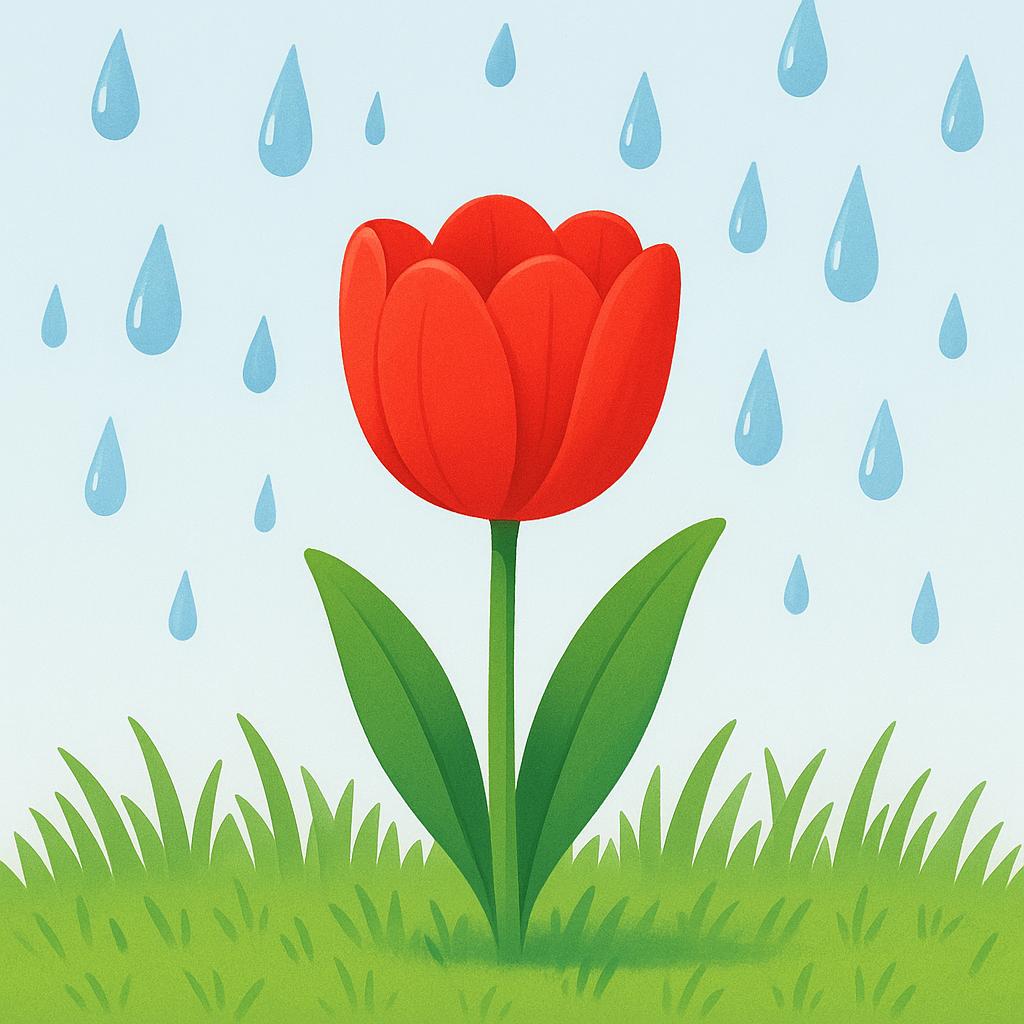
Typer av Substantiv
Common Nouns
General names for people, places, or things
Proper Nouns
Names of specific people or places
Abstract Nouns
Names for ideas, qualities, or states
Bildningsregler
Most nouns ending in -o are masculine
Most nouns ending in -a are feminine
Add -s for plural (vowel endings) or -es (consonant endings)
Vanliga Misstag att Undvika
❌ Assuming biological gender equals grammatical gender
✓ Gender is grammatical, not logical. "La persona" (person) is feminine even when referring to males.
La persona es un hombre (The person is a man) - "persona" stays feminine
❌ Using wrong article with unexpected genders
✓ Learn common exceptions: "el día" (day), "la mano" (hand), "el problema" (problem).
✗ la problema | ✓ el problema (the problem - masculine!)
❌ Omitting articles where Spanish requires them
✓ Spanish uses articles more than English, especially with abstract nouns and generalizations.
✓ Me gusta el fútbol (I like soccer) - article needed in Spanish
Hur Spanska Substantiv Skiljer Sig Från Svenska
No Grammatical Gender
English nouns don't have grammatical gender (except natural gender like actor/actress). This is one of Spanish's biggest challenges for English speakers.
Plural Formation
Both languages add -s for plurals, but Spanish adds -es after consonants, while English has more irregular plurals.
Proffstips för att Använda Substantiv
💡 Learn nouns with their articles
Exempel: Always learn "el libro" not just "libro" - this helps you remember the gender
💡 Words ending in -ión, -dad, -tad, -tud are usually feminine
Exempel: la acción, la ciudad, la libertad, la actitud
Bläddra Bland Alla 6572 Spanska Substantiv
Utforska vår kompletta samling av spanska substantiv, organiserade efter CEFR-färdighetsnivå. Klicka på ett ord för att se detaljerade definitioner, användningsexempel och uttalsguider.