abuelo
“abuelo” betyder “grandfather” på spanska. Det har 2 olika betydelser beroende på sammanhang:
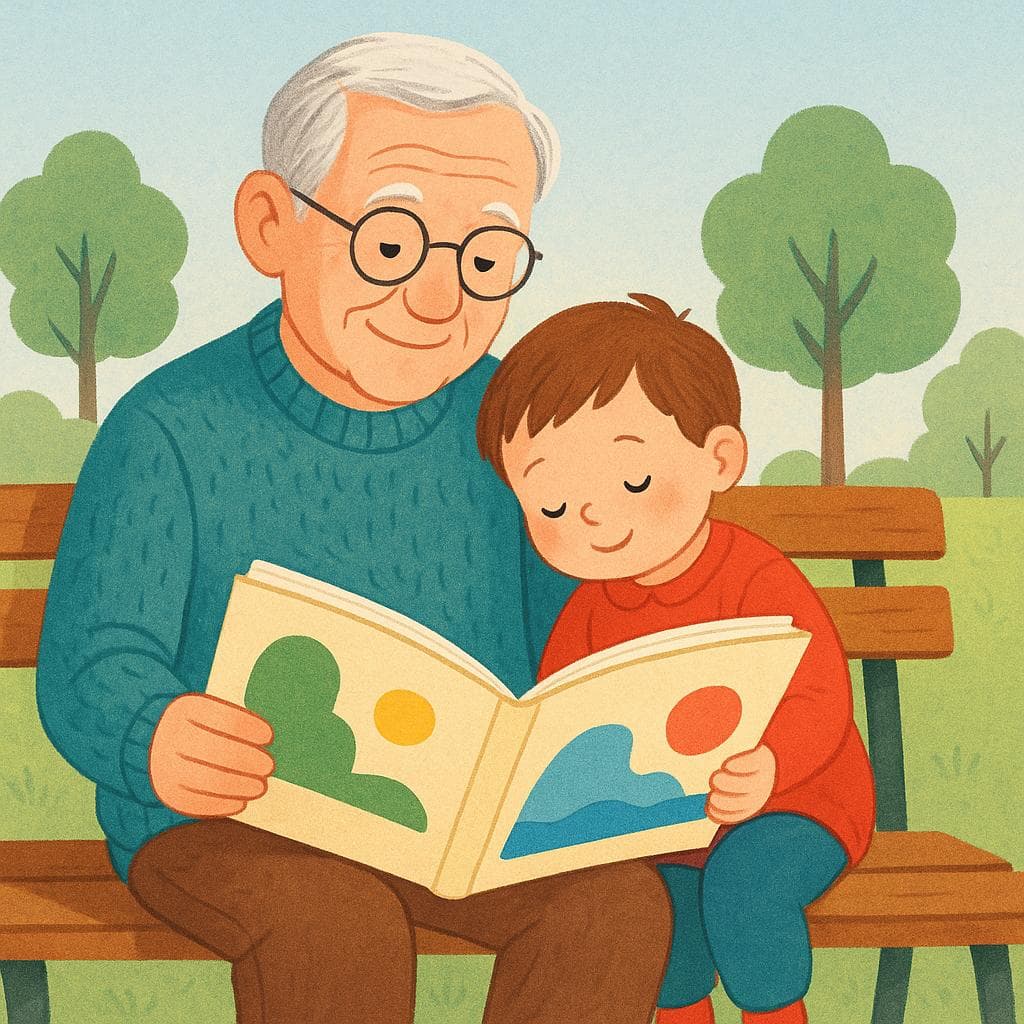

grandfather
Även: granddad, grandpa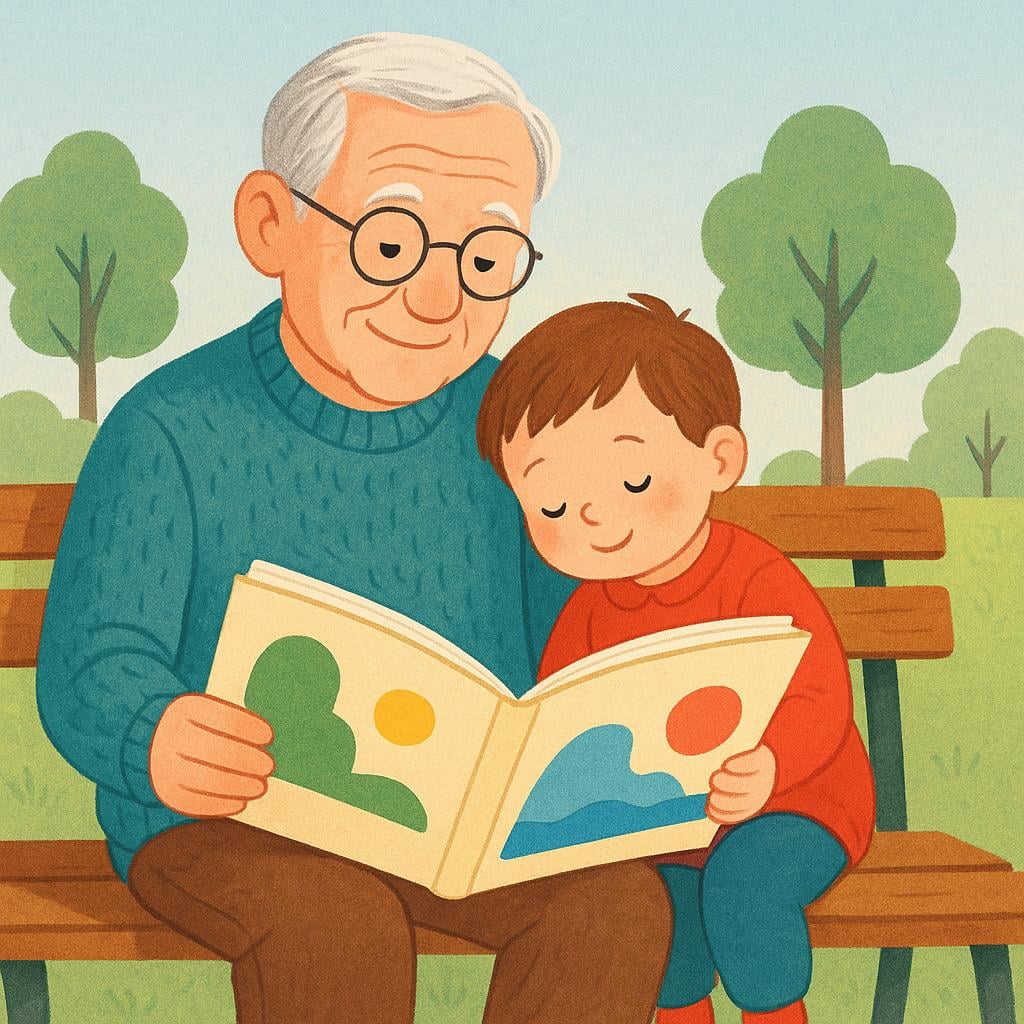
📝 I praktiken
Mi abuelo me enseñó a pescar.
A1My grandfather taught me how to fish.
El abuelo de mi amiga tiene noventa años.
A2My friend's grandfather is ninety years old.
En plural, 'abuelos' se usa para hablar de los abuelos en conjunto (abuelo y abuela).
A2In plural, 'abuelos' is used to talk about grandparents together (grandfather and grandmother).
old man
Även: old fellow, old geezer
📝 I praktiken
Un abuelo simpático me ayudó a cruzar la calle.
B1A nice old man helped me cross the street.
En el parque, siempre hay un grupo de abuelos jugando a las cartas.
B2In the park, there's always a group of old men playing cards.
✏️ Snabbövning
Snabbt quiz: abuelo
Fråga 1 av 1
If you want to talk about your grandmother and grandfather together, what is the correct Spanish word?
📚 Fler resurser
👥 Ordfamilj▼
📚 Etymologi▼
Comes from a casual form of Latin, *aviolus*, which was a friendly, 'little' version of the Classical Latin word *avus*, also meaning 'grandfather'.
Först dokumenterat: Around the 10th century
Besläktade ord
💡 Bemästra spanska
Ta din spanska till nästa nivå. Läs över 200 illustrerade och berättade spanska berättelser anpassade efter din nivå med Inklingo-appen!
Vanliga frågor
What's the difference between 'abuelo' and 'abuelito'?
'Abuelito' is a more affectionate and tender version of 'abuelo'. It's like saying 'grandpa' or 'grandpappy' instead of 'grandfather'. Children use it a lot, but adults also use it to show love and closeness.
How do I say 'great-grandfather'?
You add the prefix 'bis-', so it becomes 'bisabuelo'. For great-great-grandfather, you add 'tatara-', making it 'tatarabuelo'.