ocuparme
“ocuparme” betyder “to take care of” på spanska. Det har 2 olika betydelser beroende på sammanhang:

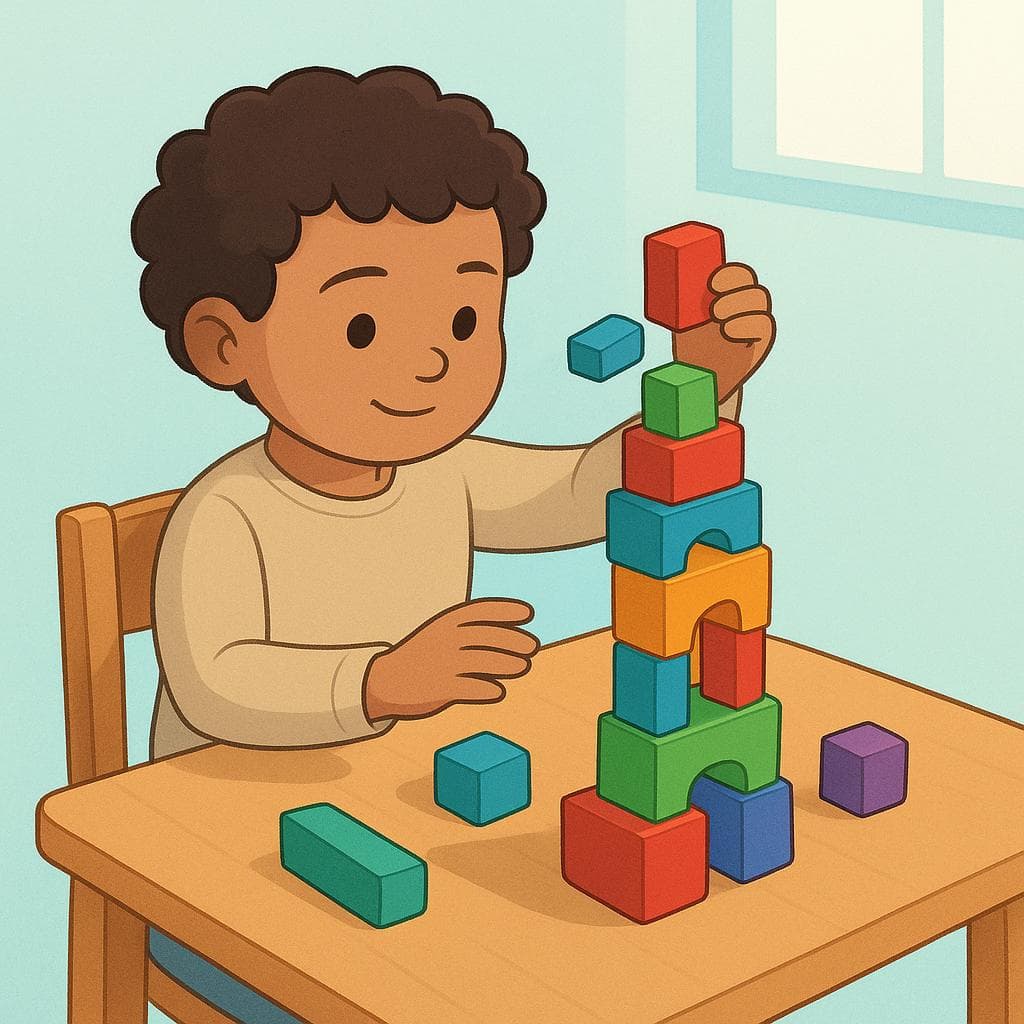
to take care of, to deal with
Även: to handle, to see to
📝 I praktiken
No te preocupes por el pago; yo voy a ocuparme de eso mañana.
B1Don't worry about the payment; I am going to take care of that tomorrow.
Antes de irme, tengo que ocuparme de cerrar todas las ventanas.
B2Before I leave, I have to deal with closing all the windows.
Si nadie más lo hace, me toca a mí ocuparme de organizar la reunión.
B2If no one else does it, it's my turn to handle organizing the meeting.
to be busy (with)
Även: to employ oneself (in)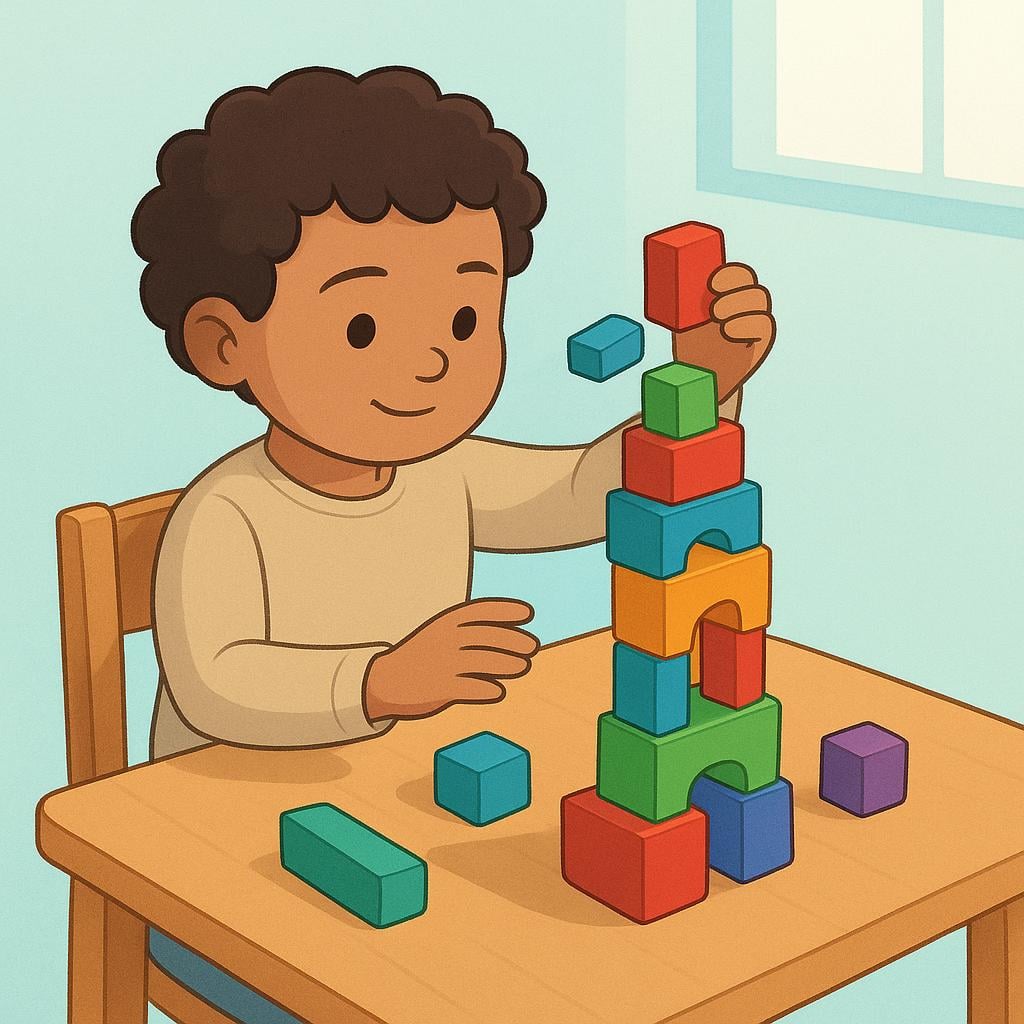
📝 I praktiken
Durante el invierno, me ocupo en leer novelas históricas.
B2During the winter, I keep myself busy reading historical novels.
Es bueno ocuparme en algo productivo para no pensar demasiado.
C1It's good for me to occupy myself with something productive so I don't think too much.
Indicative
Preterite
Present
Imperfect
Subjunctive
Present Subjunctive
Imperfect Subjunctive
✏️ Snabbövning
Snabbt quiz: ocuparme
Fråga 1 av 2
Which sentence correctly uses 'ocuparme' to mean 'to take care of a task'?
📚 Fler resurser
👥 Ordfamilj▼
📚 Etymologi▼
Comes from the Latin verb *occupare*, meaning 'to take possession of, seize, or fill up.' When Spanish made it reflexive ('ocuparse'), the meaning shifted from physically seizing a place to seizing a task or responsibility.
Först dokumenterat: 13th century
Besläktade ord
💡 Bemästra spanska
Ta din spanska till nästa nivå. Läs över 200 illustrerade och berättade spanska berättelser anpassade efter din nivå med Inklingo-appen!
Vanliga frågor
Why is the 'me' attached to the end of the verb 'ocuparme'?
The 'me' is a reflexive pronoun meaning 'myself.' When you attach it to the infinitive (the base form of the verb), it shows that the action of 'occupying' is directed back at the speaker ('I'm taking care of myself/I'm handling it'). This structure is common when the verb follows another conjugated verb, like 'necesito' or 'voy a'.
What is the difference between 'ocupar' and 'ocuparme'?
'Ocupar' (without the 'me') means 'to occupy' a space or job (e.g., 'El coche ocupa dos plazas' - The car occupies two spaces). 'Ocuparme' (with the 'me') is the reflexive form, meaning 'to take care of' or 'to deal with' a task, shifting the focus to responsibility rather than physical space.