extrañar
“extrañar” の意味は “恋しく思う” スペイン語で. 文脈に応じて2つの異なる意味があります:
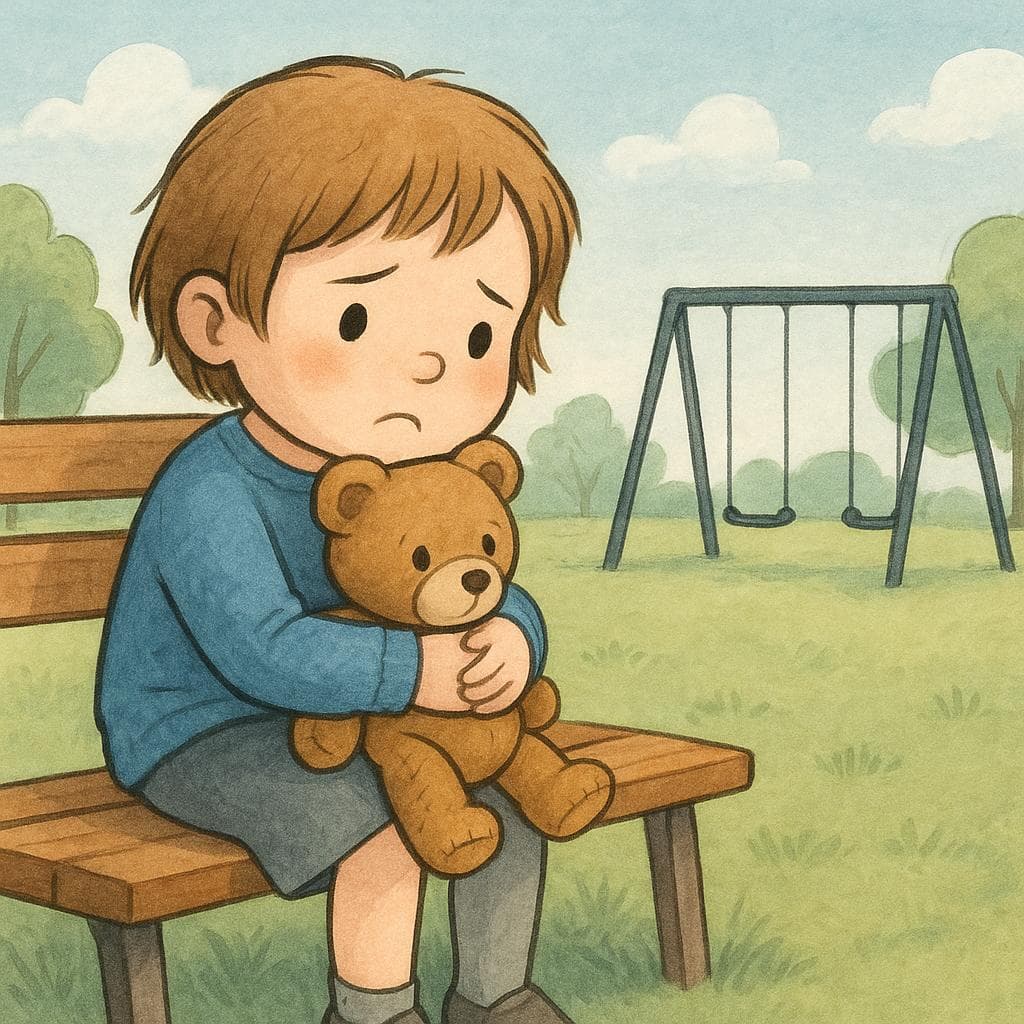

恋しく思う
他にも: 切望する
📝 使用例
Extraño mucho a mis padres cuando viajo.
A1旅行中、両親がとても恋しいです。
¿Extrañas la comida de tu país?
A2あなたの国の食べ物が恋しいですか?
Ellos extrañaron la vieja casa de la abuela.
A2彼らは祖母の古い家を恋しがった。
驚かせる
他にも: 奇妙に思う, 驚く(再帰動詞: extrañarse)
📝 使用例
Me extraña que no haya llamado. Siempre es puntual.
B1彼が電話してこないのは驚きです。彼はいつも時間を守るのに。
No te extrañes si la tienda está cerrada. Hoy es feriado.
B1今日が祝日なので、店が閉まっていても驚かないでください。(再帰的な用法)
Extrañamos su repentina decisión de mudarse a otro país.
C1私たちは、彼が突然他国に移住するという決定を奇妙に思った。
🔄 活用形
subjunctive
imperfect
present
indicative
imperfect
present
preterite
🔀 Commonly Confused With
スペイン語に翻訳
✏️ クイック練習
クイッククイズ: extrañar
2問中1問目
「恋しく思う」という意味で「extrañar」を正しく使っている文はどれですか?
📚 その他のリソース
👥 語族▼
🎵 韻▼
📚 語源▼
この単語はラテン語の *extraneus*(「外部の」「見知らぬ」の意)に由来します。この元の意味が、「extrañar」が二つの関連する感覚、つまり何かが「見知らぬ」または不在であると感じること(恋しく思う)、そして何かを「見知らぬ」または珍しいと感じること(驚く)に発展した理由です。
初出:13th century
同源語(関連語)
💡 スペイン語をマスター
スペイン語をレベルアップしましょう。Inklingoアプリで、あなたのレベルに合った200以上のイラスト付きスペイン語ストーリーを読もう!
よくある質問
「extrañar」と「echar de menos」の違いは何ですか?
「extrañar」と「echar de menos」は全く同じ意味(「恋しく思う/切望する」)です。「echar de menos」は一般的な慣用句であり、「extrañar」は一つの動詞です。どちらもスペイン語圏で頻繁に使われます。
「extrañar」が「恋しく思う」なのか「驚かせる」なのか、どうやって判断すればいいですか?
文脈が重要です!誰かや何かへの憧れについて述べている場合は「恋しく思う」という意味です。再帰動詞(「me extraña」「te extrañas」)として使われている場合や、状況を珍しいと感じている場合は、「驚かせる」または「奇妙に思う」という意味になります。A1/A2レベルの学習者にとっては、「恋しく思う」という意味の方がはるかに一般的です。