teme
“teme” 의미 “두려워하다” 스페인어로. 문맥에 따라 2가지 다른 의미를 가집니다:

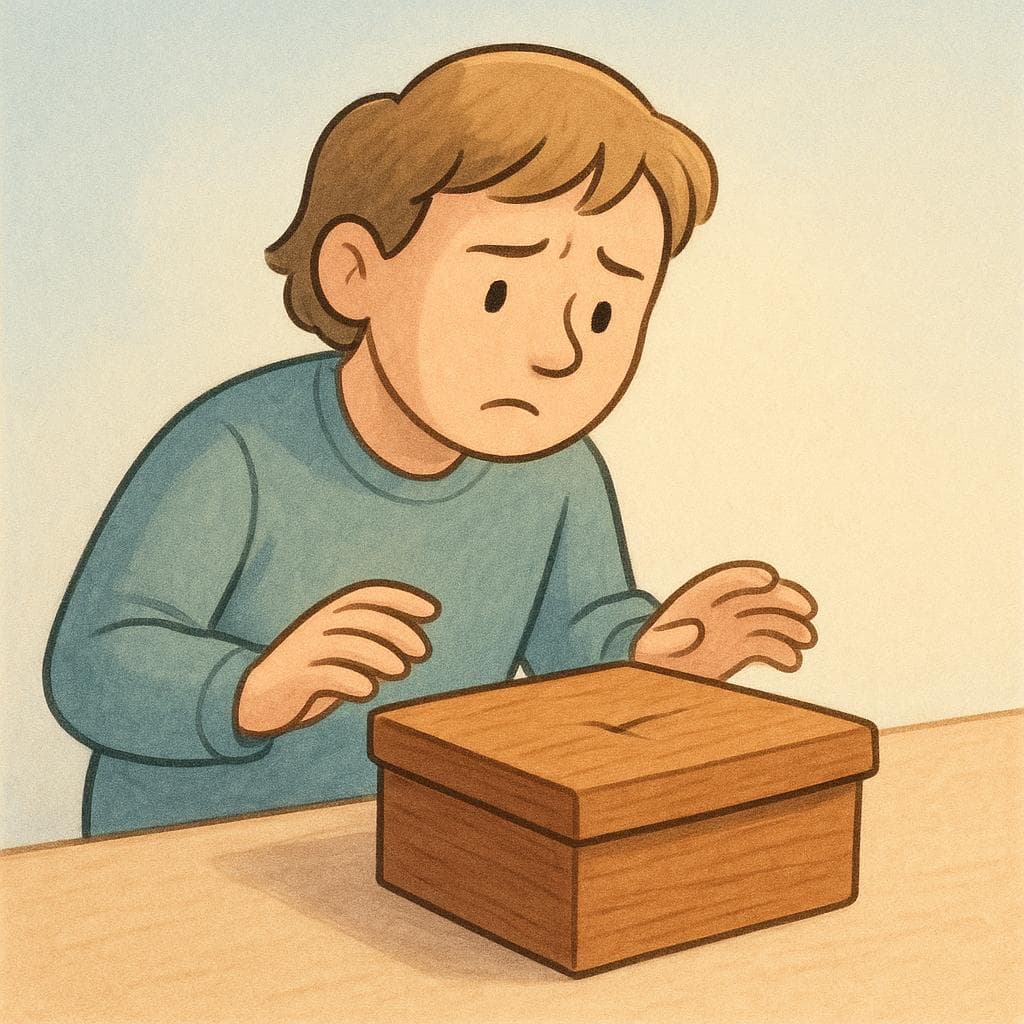
두려워하다, ~을/를 무서워하다또한: 몹시 걱정하다

📝 실제 사용 예시
Mi perro teme los ruidos fuertes, como los fuegos artificiales.
A2제 개는 불꽃놀이 같은 큰 소리를 무서워해요.
Usted teme hablar en público, ¿verdad?
B1당신은(존칭) 대중 앞에서 말하는 것을 두려워하죠, 그렇죠?
Ella teme que su jefe la regañe.
B1그녀는 상사에게 꾸중을 들을까 봐 걱정하고 있어요.
단어 연결
의심하다또한: 걱정하다

📝 실제 사용 예시
El director teme que la empresa no cumpla los objetivos este trimestre.
B2그 책임자는 회사가 이번 분기에 목표를 달성하지 못할까 봐 걱정하고 있습니다.
La comunidad teme que el nuevo proyecto dañe el ecosistema local.
C1지역 사회는 새로운 프로젝트가 지역 생태계를 손상시킬까 봐 우려하고 있습니다.
단어 연결
Indicative
Present
Imperfect
Preterite
Subjunctive
Present Subjunctive
Imperfect Subjunctive
✏️ 빠른 연습
간단 퀴즈: teme
2개 중 1번째 문제
어떤 문장이 주어가 불확실한 미래 사건을 두려워한다는 것을 올바르게 표현하기 위해 'teme'를 사용했습니까?
📚 추가 자료
👥 단어 계열
🎵 운율
📚 어원
스페인어 동사 'temer'는 '두려워하다' 또는 '겁내다'를 의미하는 라틴어 동사 *timēre*에서 직접 유래했습니다. 이 핵심 의미는 역사 내내 유지되어 왔습니다.
최초 기록: Early Romance languages (around the 10th-11th century)
동계어 (관련 단어)
💡 스페인어 마스터하기
스페인어 실력을 한 단계 높이세요. Inklingo 앱으로 수준에 맞는 200개 이상의 삽화 및 음성 지원 스페인어 이야기를 읽어보세요!
자주 묻는 질문
Is 'temer' the most common way to say 'to fear'?
While 'temer' is the direct translation, in casual conversation, Spanish speakers often prefer the phrase 'tener miedo de' (literally 'to have fear of'). 'Temer' is slightly more formal or intense.
How is 'teme' different from 'tiene miedo'?
'Teme' is the verb form (he/she fears). 'Tiene miedo' is a phrase using the verb 'tener' (to have fear). Both mean the same thing, but 'teme' is a single, more concise verb.