harto
“harto” betekent “fed up” in het Spaans. Het heeft 2 verschillende betekenissen, afhankelijk van de context:

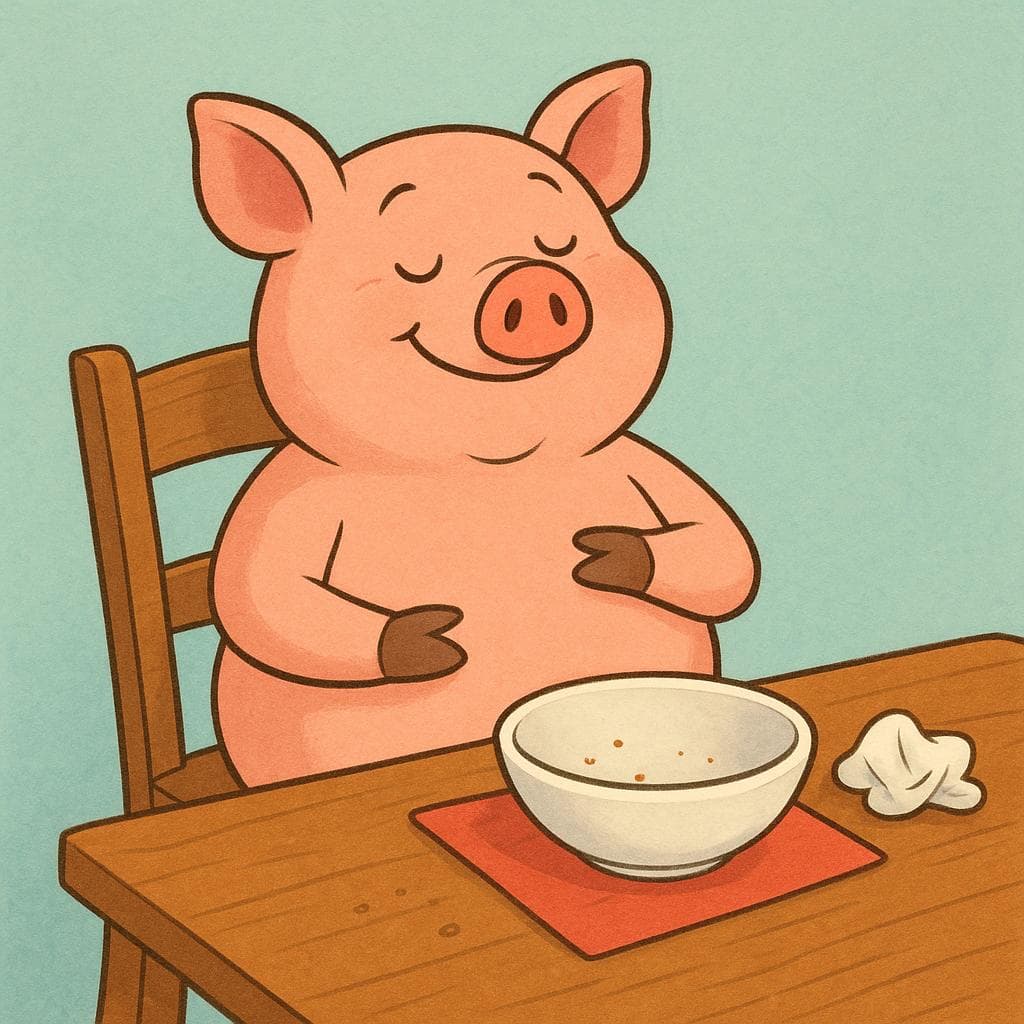
fed upOok: tired of, sick and tired

📝 In Actie
Estoy harta de escuchar la misma canción en la radio.
B1I'm fed up with hearing the same song on the radio.
Mis vecinos están hartos de las fiestas ruidosas.
B2My neighbors are sick and tired of the noisy parties.
Dile que ya estamos hartos de sus excusas.
B1Tell him we are tired of his excuses.
Woordverbindingen
fullOok: satiated

📝 In Actie
No puedo comer más. ¡Estoy harto!
A2I can't eat any more. I'm full!
¿Quieres más postre? — No, gracias, ya estoy harta.
A2Do you want more dessert? — No, thank you, I'm already full.
Woordverbindingen
✏️ Snelle oefening
Snelle Quiz: harto
Vraag 1 van 2
Which sentence uses 'harto' to describe a feeling of being annoyed or frustrated?
📚 Meer bronnen
👥 Woordfamilie
📚 Etymologie
Comes from the Old Spanish verb 'fartar', which in turn derived from the Latin word *fartus*, meaning 'stuffed' or 'filled.' The meaning shifted over time from physical fullness to emotional fullness (being filled with annoyance).
Eerste vermelding: 13th century
Cognaten (Verwante woorden)
💡 Beheers Spaans
Til je Spaans naar een hoger niveau. Lees 200+ geïllustreerde en ingesproken Spaanse verhalen op jouw niveau met de Inklingo app!
Veelgestelde Vragen
What is the difference between 'harto' and 'lleno' when talking about food?
Both mean 'full,' but 'harto' is generally stronger and more expressive of total satiation, sometimes implying you've had more than enough. 'Lleno' is a more neutral way to say you are not hungry anymore.
Why does 'harto' sometimes mean 'full' and sometimes 'fed up'?
The core idea is 'being completely filled.' When applied to the stomach, it means full of food. When applied to emotions or patience, it means completely filled with annoyance or frustration.