Koniugacja aproximar Tryb Subj. przeszły niedokonany
aproximar — to move closer
Past subjunctive for 'aproximar' (imperfect): aproximara, aproximaras, aproximáramos, aproximaran, aproximarais.
Formy aproximar Tryb Subj. przeszły niedokonany
Kiedy używać Tryb Subj. przeszły niedokonany
Use the imperfect subjunctive for hypothetical situations or wishes in the past, often following expressions of doubt, emotion, or in 'if' clauses referring to the past.
Uwagi dotyczące aproximar w czasie Tryb Subj. przeszły niedokonany
'Aproximar' is regular in the imperfect subjunctive. Both the -ra and -se forms exist, but the -ra form is more common.
Przykładowe zdania
Si yo aproximara el micrófono, ¿me escucharían mejor?
If I moved the microphone closer, would they hear me better?
yo
Quería que tú aproximaras la tienda para verla.
I wanted you to move the store closer so we could see it.
tú
Dudaba que él aproximara la fecha de entrega.
I doubted that he would move the delivery date closer.
él/ella/usted
Nos pidieron que aproximáramos la conversación al tema.
They asked us to bring the conversation closer to the topic.
nosotros
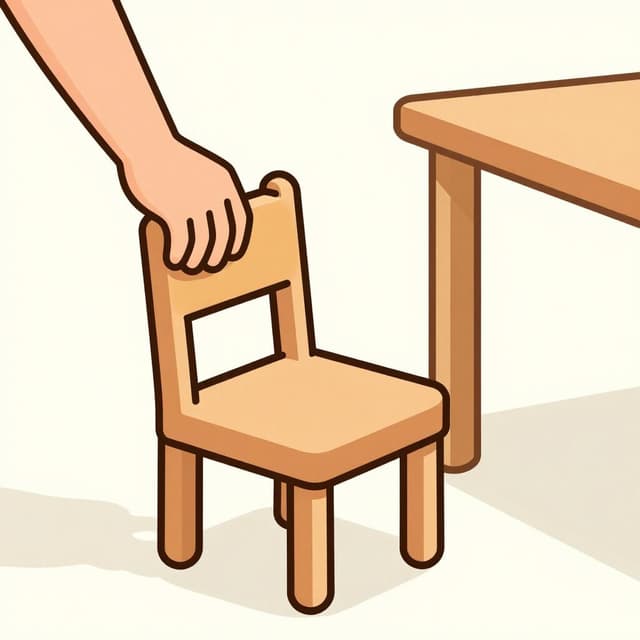
Ojalá ellos aproximaran sus sillas para compartir.
I wish they would move their chairs closer to share.
ellos/ellas/ustedes
Częste błędy
Błąd: Using the preterite or imperfect indicative instead of the imperfect subjunctive.
Poprawnie: In hypothetical or dependent clauses, use 'aproximara' or 'aproximarais', not 'aproximó' or 'aproximaba'.
Dlaczego: The subjunctive mood is required for uncertainty, doubt, and hypothetical scenarios, even when referring to past possibilities.
Błąd: Confusing the -ra and -se forms.
Poprawnie: While both exist (e.g., 'aproximase'), the -ra form is generally more common and preferred in many regions.
Dlaczego: Learners may not be familiar with the -se endings or may mix them up.
Opanuj hiszpańskie czasowniki w kontekście
Zapamiętywanie tabel to dopiero początek. Przeczytaj ponad 200 ilustrowanych i udźwiękowionych hiszpańskich historii, aby zobaczyć czasowniki takie jak 'aproximar' używane naturalnie — w czasach, których się uczysz.
Powiązane czasy
Czas teraźniejszy
yo: aproximo
Present tense for 'aproximar': aproximo, aproximas, aproxima, aproximamos, aproximan, aproximáis.
Czas przeszły prosty
yo: aproximé
Completed actions with 'aproximar': aproximé, aproximaste, aproximó, aproximamos, aproximaron, aproximasteis.
Czas przeszły niedokonany
yo: aproximaba
Ongoing/habitual past actions with 'aproximar': aproximaba, aproximabas, aproximábamos, aproximaban, aproximabais.
Czas przyszły
yo: aproximaré
Future actions with 'aproximar': aproximaré, aproximarás, aproximará, aproximaremos, aproximarán, aproximaréis.
Tryb warunkowy
yo: aproximaría
Hypothetical/polite 'would' with 'aproximar': aproximaría, aproximarías, aproximaría, aproximaríamos, aproximarían, aproximaríais.
Tryb Subj. teraźniejszy
yo: aproxime
Present subjunctive for 'aproximar': aproxime, aproximes, aproximemos, aproximen, aproximéis.
Tryb rozkazujący (twierdzący)
yo: aproxima
Commands for 'aproximar': ¡aproxima! (tú), ¡aproxime! (usted), ¡aproximemos! (nosotros), ¡aproximad! (vosotros), ¡aproximen! (ustedes).
Tryb rozkazujący (przeczący)
yo: no aproximes
Negative commands for 'aproximar' use the present subjunctive: no aproximemos, no aproximen, no aproximéis, no aproximes, no aproxime.