Koniugacja aproximar Tryb Subj. teraźniejszy
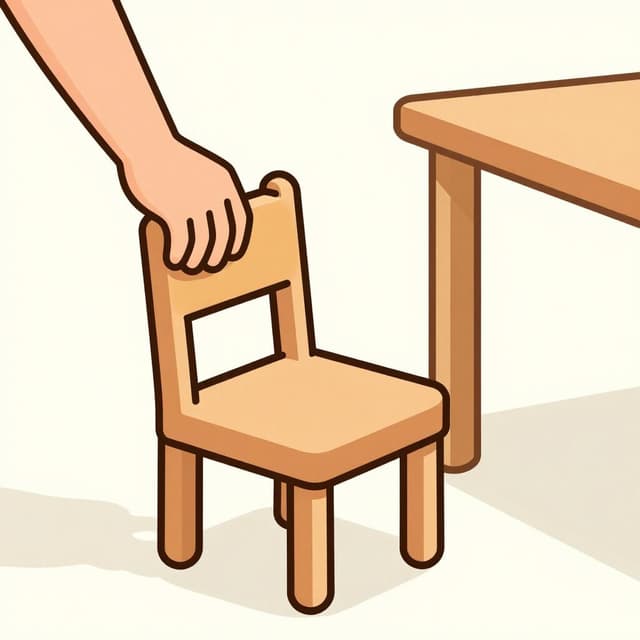
aproximar — to move closer
Present subjunctive for 'aproximar': aproxime, aproximes, aproximemos, aproximen, aproximéis.
Formy aproximar Tryb Subj. teraźniejszy
Kiedy używać Tryb Subj. teraźniejszy
Use the present subjunctive after expressions of desire, doubt, emotion, uncertainty, or in impersonal statements, when the action is in the present or future.
Uwagi dotyczące aproximar w czasie Tryb Subj. teraźniejszy
'Aproximar' is regular in the present subjunctive. It follows the pattern of changing the stem vowel from 'o' to 'u' in the yo form, but this verb is regular.
Przykładowe zdania
Espero que te aproximas a la verdad con tu argumento.
I hope you are getting closer to the truth with your argument.
tú
Quiero que usted aproxime la pantalla para leer.
I want you to move the screen closer to read.
Es importante que aproximemos nuestras posturas.
It's important that we bring our positions closer.
nosotros
Dudo que ellos aproximen la fecha de entrega.
I doubt they will move the delivery date closer.
ellos/ellas/ustedes
Me alegra que aproximéis vuestro punto de vista.
I'm happy that you all are bringing your point of view closer (to understanding).
vosotros
Częste błędy
Błąd: Using the present indicative instead of the present subjunctive.
Poprawnie: After 'espero que', 'quiero que', 'dudo que', etc., use 'aproximas' (subjunctive), not 'aproximas' (indicative).
Dlaczego: These trigger phrases require the subjunctive mood to express non-factual or subjective situations.
Błąd: Forgetting the 's' in the tú and vosotros forms.
Poprawnie: The forms are 'aproximas' (tú) and 'aproximéis' (vosotros), not 'aproximas' or 'aproximéis'.
Dlaczego: These are common subjunctive endings learners may miss.
Opanuj hiszpańskie czasowniki w kontekście
Zapamiętywanie tabel to dopiero początek. Przeczytaj ponad 200 ilustrowanych i udźwiękowionych hiszpańskich historii, aby zobaczyć czasowniki takie jak 'aproximar' używane naturalnie — w czasach, których się uczysz.
Powiązane czasy
Czas teraźniejszy
yo: aproximo
Present tense for 'aproximar': aproximo, aproximas, aproxima, aproximamos, aproximan, aproximáis.
Czas przeszły prosty
yo: aproximé
Completed actions with 'aproximar': aproximé, aproximaste, aproximó, aproximamos, aproximaron, aproximasteis.
Czas przeszły niedokonany
yo: aproximaba
Ongoing/habitual past actions with 'aproximar': aproximaba, aproximabas, aproximábamos, aproximaban, aproximabais.
Czas przyszły
yo: aproximaré
Future actions with 'aproximar': aproximaré, aproximarás, aproximará, aproximaremos, aproximarán, aproximaréis.
Tryb warunkowy
yo: aproximaría
Hypothetical/polite 'would' with 'aproximar': aproximaría, aproximarías, aproximaría, aproximaríamos, aproximarían, aproximaríais.
Tryb Subj. przeszły niedokonany
yo: aproximara
Past subjunctive for 'aproximar' (imperfect): aproximara, aproximaras, aproximáramos, aproximaran, aproximarais.
Tryb rozkazujący (twierdzący)
yo: aproxima
Commands for 'aproximar': ¡aproxima! (tú), ¡aproxime! (usted), ¡aproximemos! (nosotros), ¡aproximad! (vosotros), ¡aproximen! (ustedes).
Tryb rozkazujący (przeczący)
yo: no aproximes
Negative commands for 'aproximar' use the present subjunctive: no aproximemos, no aproximen, no aproximéis, no aproximes, no aproxime.