Koniugacja aproximar Czas teraźniejszy
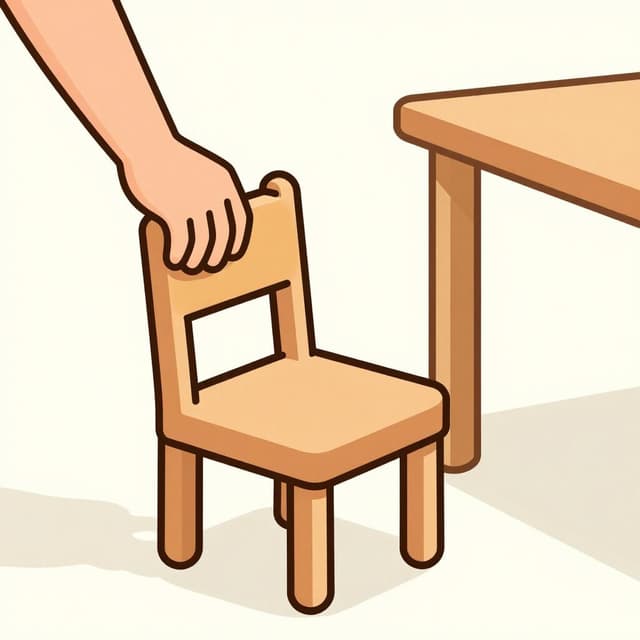
aproximar — to move closer
Present tense for 'aproximar': aproximo, aproximas, aproxima, aproximamos, aproximan, aproximáis.
Formy aproximar Czas teraźniejszy
Kiedy używać Czas teraźniejszy
Use the present tense for actions happening right now, habitual actions, or general truths involving moving closer or approaching.
Uwagi dotyczące aproximar w czasie Czas teraźniejszy
'Aproximar' is a regular -ar verb in the present indicative. All conjugations follow the standard endings: -o, -as, -a, -amos, -áis, -an.
Przykładowe zdania
Yo aproximo la pantalla para leer mejor.
I move the screen closer to read better.
yo
Tú te aproximas mucho a la gente.
You get too close to people.
tú
El sol se aproxima al horizonte.
The sun is approaching the horizon.
él/ella/usted
Nosotros aproximamos las sillas para la cena.
We are moving the chairs closer for dinner.
nosotros
Ellos aproximan sus opiniones a las mías.
They are bringing their opinions closer to mine.
ellos/ellas/ustedes
Częste błędy
Błąd: Using 'aproximar' reflexively ('aproximarse') when not intended.
Poprawnie: Say 'Yo aproximo la silla' (I move the chair) not 'Yo me aproximo la silla'. 'Me aproximo' means 'I approach'.
Dlaczego: Learners may confuse the direct meaning of moving an object closer with the reflexive meaning of approaching something oneself.
Błąd: Incorrectly conjugating the vosotros form.
Poprawnie: The correct form is 'aproximáis', not 'aproximan' or 'aproximas'.
Dlaczego: The '-áis' ending for vosotros in the present indicative is a common point of error.
Opanuj hiszpańskie czasowniki w kontekście
Zapamiętywanie tabel to dopiero początek. Przeczytaj ponad 200 ilustrowanych i udźwiękowionych hiszpańskich historii, aby zobaczyć czasowniki takie jak 'aproximar' używane naturalnie — w czasach, których się uczysz.
Powiązane czasy
Czas przeszły prosty
yo: aproximé
Completed actions with 'aproximar': aproximé, aproximaste, aproximó, aproximamos, aproximaron, aproximasteis.
Czas przeszły niedokonany
yo: aproximaba
Ongoing/habitual past actions with 'aproximar': aproximaba, aproximabas, aproximábamos, aproximaban, aproximabais.
Czas przyszły
yo: aproximaré
Future actions with 'aproximar': aproximaré, aproximarás, aproximará, aproximaremos, aproximarán, aproximaréis.
Tryb warunkowy
yo: aproximaría
Hypothetical/polite 'would' with 'aproximar': aproximaría, aproximarías, aproximaría, aproximaríamos, aproximarían, aproximaríais.
Tryb Subj. teraźniejszy
yo: aproxime
Present subjunctive for 'aproximar': aproxime, aproximes, aproximemos, aproximen, aproximéis.
Tryb Subj. przeszły niedokonany
yo: aproximara
Past subjunctive for 'aproximar' (imperfect): aproximara, aproximaras, aproximáramos, aproximaran, aproximarais.
Tryb rozkazujący (twierdzący)
yo: aproxima
Commands for 'aproximar': ¡aproxima! (tú), ¡aproxime! (usted), ¡aproximemos! (nosotros), ¡aproximad! (vosotros), ¡aproximen! (ustedes).
Tryb rozkazujący (przeczący)
yo: no aproximes
Negative commands for 'aproximar' use the present subjunctive: no aproximemos, no aproximen, no aproximéis, no aproximes, no aproxime.