
Pueblo vs Ciudad
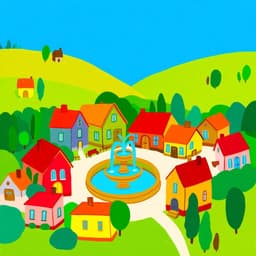
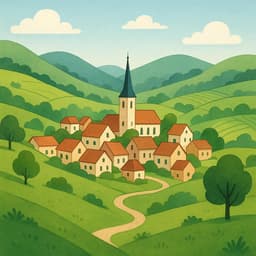
Pueblo = small town/village. Ciudad = big city.
pueblo
A town, village, or small settlement, typically in a rural area.
PWEB-lohciudad
A city; a large, populated urban center with significant infrastructure.
see-oo-DADQuick Rule
Pueblo = small town/village. Ciudad = big city.
Think: A 'pueblo' is a 'pimple' on the map (small). A 'ciudad' is a 'sea' of people.
- Pueblo can also mean 'the people' of a nation (e.g., el pueblo mexicano).
- 'Villa' is sometimes used for a place larger than a pueblo but smaller than a ciudad.
Comparison Table
| Context | pueblo | ciudad | Why? |
|---|---|---|---|
| Size & Population | Un pueblo pequeño en la costa. | Una ciudad de millones de habitantes. | Pueblo is for small populations; ciudad is for large ones. |
| Lifestyle & Atmosphere | La vida en el pueblo es muy tranquila. | La ciudad tiene mucho ruido y tráfico. | Pueblo evokes a quiet, rural feel; ciudad implies a busy, urban environment. |
| Infrastructure | El pueblo solo tiene una farmacia. | La ciudad tiene metro y aeropuerto. | Ciudades have major infrastructure; pueblos typically do not. |
When to Use "pueblo / ciudad"
pueblo
A town, village, or small settlement, typically in a rural area.
PWEB-loh
Small town or village
Mi abuela vive en un pueblo de 500 habitantes.
My grandmother lives in a town of 500 inhabitants.
Hometown (if it's small)
Siempre vuelvo a mi pueblo en Navidad.
I always go back to my hometown for Christmas.
The people of a nation (as a group)
El pueblo celebró la victoria.
The people celebrated the victory.
ciudad
A city; a large, populated urban center with significant infrastructure.
see-oo-DAD
Large city
Madrid es una ciudad con mucha historia.
Madrid is a city with a lot of history.
Urban center
Me encanta la energía de la ciudad.
I love the energy of the city.
Referring to city life
Prefiero la vida de la ciudad al campo.
I prefer city life to the countryside.
Contrast Examples
With "pueblo":
Soy de un pueblo en las montañas.
I'm from a town in the mountains.
With "ciudad":
Soy de la Ciudad de México.
I'm from Mexico City.
The Difference: Use 'pueblo' to emphasize a small, rural, or non-urban origin. Use 'ciudad' for any major urban center. Calling Mexico City a 'pueblo' would be incorrect.
With "pueblo":
Vamos a visitar los pueblos blancos de Andalucía.
We're going to visit the white villages of Andalusia.
With "ciudad":
Mi próximo viaje es a la ciudad de Buenos Aires.
My next trip is to the city of Buenos Aires.
The Difference: 'Pueblos' often implies tourism focused on charm, tradition, and scenery. 'Ciudad' implies tourism focused on museums, nightlife, and urban experiences.
Common Mistakes
Vivo en el pueblo de Nueva York.
Vivo en la ciudad de Nueva York.
New York is a massive urban center, so it's always a 'ciudad'. 'Pueblo' would sound very strange and incorrect.
Barcelona es un pueblo muy bonito.
Barcelona es una ciudad muy bonita.
While it is beautiful, Barcelona is a major city. Use 'ciudad' for any large, well-known urban area.
Quick Practice
Quick Quiz: Pueblo vs Ciudad
Question 1 of 2
To describe Paris, you would use:
Related Grammar
Want to understand the grammar behind this pair? Explore these lessons for a deep dive:
Key Words


Tags
Build the instinct, not just the rule
Rules help you get it right; context makes it automatic. Read 200+ illustrated and narrated Spanish stories to see confusing pairs chosen correctly — over and over — until you stop thinking about it.
Frequently Asked Questions
Is there an exact population number that separates a pueblo from a ciudad?
No, there's no strict number. It's more about the feel, infrastructure, and administrative status. A place with a university, a major hospital, and an airport is a 'ciudad' even if its population is smaller than a sprawling 'pueblo' in another region. Generally, think thousands for a pueblo, and tens of thousands to millions for a ciudad.
Can I use 'pueblo' to mean my hometown even if it's a big city?
It's not common and might sound a bit strange. If you're from a big city like Lima or Bogotá, you would say 'mi ciudad'. 'Mi pueblo' has a strong connotation of coming from a small, perhaps rural, place. It carries a sense of nostalgia and community that doesn't fit the description of a metropolis.