clavar Conditional Conjugation
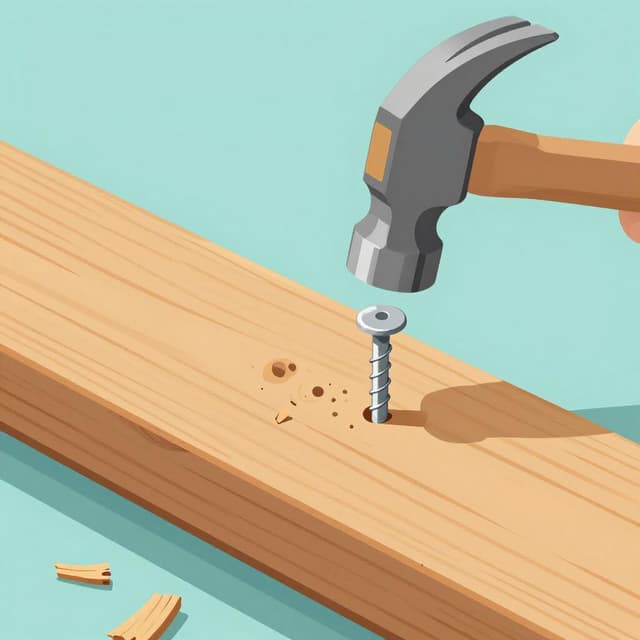
clavar — to nail
Use 'clavaría' (yo/él/ella/usted), 'clavarías' (tú), 'clavaríamos' (nosotros), 'clavaríais' (vosotros), 'clavarían' (ellos/ellas/ustedes) for hypothetical situations ('would') or polite requests with clavar.
clavar Conditional Forms
When to Use the Conditional
The conditional is for 'what would happen' scenarios, polite requests, or expressing future actions from a past perspective. For 'clavar', you might say 'I would nail it if I had the right tool' or 'Would you nail this for me?'.
Notes on clavar in the Conditional
Clavar is regular in the conditional tense. The conditional stem is the infinitive 'clavar-', and you add the standard conditional endings.
Example Sentences
Yo clavaría la estantería, pero no tengo un martillo.
I would nail the shelf, but I don't have a hammer.
yo
¿Tú clavarías este cuadro aquí?
Would you nail this picture here?
tú
Él usaría un clavo más grande, pero no lo tiene.
He would use a bigger nail, but he doesn't have it.
él/ella/usted
Nosotros clavaríamos la viga si tuviéramos ayuda.
We would nail the beam if we had help.
nosotros
Common Mistakes
Mistake: Using the imperfect subjunctive instead of the conditional for 'would'.
Correct: For 'would' statements, use the conditional: 'Clavaría' (I would nail). The imperfect subjunctive is for 'if' clauses about past hypotheticals: 'Si clavara...' (If I nailed...).
Why: These are distinct moods and tenses with different uses.
Mistake: Forgetting the accent on the conditional endings.
Correct: All conditional endings require an accent: 'clavaría', 'clavarías', 'clavaría', etc.
Why: The accent is required for pronunciation and grammatical correctness.
Master Spanish verbs in context
Memorizing tables only gets you so far. Read 200+ illustrated and narrated Spanish stories to see verbs like 'clavar' used naturally — in the tenses you're learning.
Related Tenses
Present
yo: clavo
Use 'clavo' (yo), 'clavas' (tú), 'clava' (él/ella/usted), 'clavamos' (nosotros), 'claváis' (vosotros), 'clavan' (ellos/ellas/ustedes) for habitual actions, things happening now, or general truths with clavar.
Preterite
yo: clavé
Use 'clavé' (yo), 'clavaste' (tú), 'clavó' (él/ella/usted), 'clavamos' (nosotros), 'clavasteis' (vosotros), 'clavaron' (ellos/ellas/ustedes) for completed actions in the past with clavar.
Imperfect
yo: clavaba
Use 'clavaba' (yo/él/ella/usted), 'clavabas' (tú), 'clavábamos' (nosotros), 'clavabais' (vosotros), 'clavaban' (ellos/ellas/ustedes) for ongoing or habitual past actions with clavar.
Future
yo: clavaré
Use 'clavaré' (yo), 'clavarás' (tú), 'clavará' (él/ella/usted), 'claremos' (nosotros), 'clararéis' (vosotros), 'clararán' (ellos/ellas/ustedes) for actions that will happen in the future with clavar.
Present Subjunctive
yo: clave
Use 'clava' (yo/él/ella/usted), 'clavas' (tú), 'clavemos' (nosotros), 'claven' (ellos/ellas/ustedes), 'clavéis' (vosotros) after expressions of doubt, desire, emotion, or uncertainty with clavar.
Imperfect Subjunctive
yo: clavara
Use 'clavara' or 'clavase' (yo/él/ella/usted), 'clavaras' or 'clavases' (tú), 'claváramos' or 'clavásemos' (nosotros), 'clavaran' or 'clavasen' (ellos/ellas/ustedes), 'clavarais' or 'clavaseis' (vosotros) for past hypothetical situations or wishes with clavar.
Affirmative Imperative
yo: clava
Use 'clava' (tú), 'clave' (usted), 'clavemos' (nosotros), 'claven' (ustedes), 'clavad' (vosotros) for direct commands with clavar.
Negative Imperative
yo: no claves
Use 'no claves' (tú), 'no clave' (usted), 'no clavemos' (nosotros), 'no claven' (ustedes), 'no clavéis' (vosotros) for negative commands with clavar.