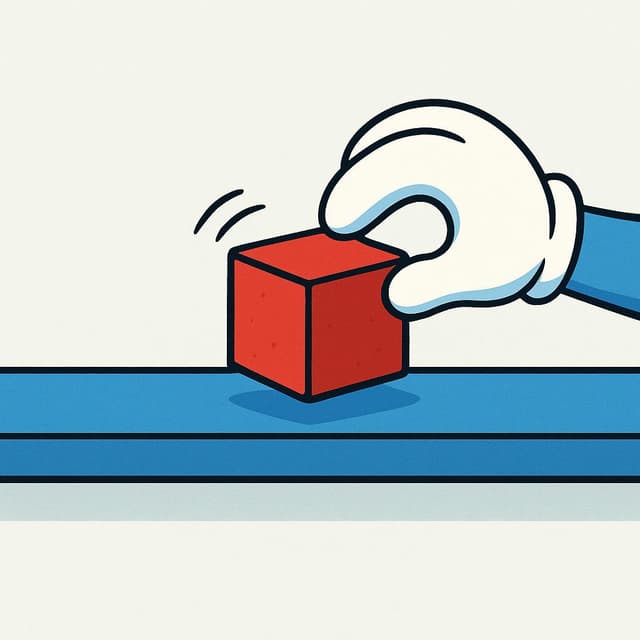
retirar Conditional Conjugation
retirar — to remove
The conditional of 'retirar' is regular: retiraría, retirarías, retiraría, retiraríamos, retiraríais, retirarían, used for hypotheticals and polite requests.
retirar Conditional Forms
When to Use the Conditional
Use the conditional tense for hypothetical situations ('what would happen'), polite requests, or to express probability in the past. For 'retirar', you might say 'Yo retiraría mi coche si hubiera sitio' (I would move my car if there were space) or 'Me preguntó si le retiraría el dinero' (He asked me if I would withdraw the money for him).
Notes on retirar in the Conditional
'Retirar' is regular in the conditional tense. The stem is the full infinitive 'retirar', and the endings are the standard conditional endings for -ar verbs.
Example Sentences
Yo retiraría mi voto si supiera la verdad.
I would withdraw my vote if I knew the truth.
yo
¿Tú retirarías tu oferta?
Would you withdraw your offer?
tú
Él retiraría su apoyo si fuera necesario.
He would withdraw his support if it were necessary.
él/ella/usted
Ellos retirarían los fondos si la situación empeorara.
They would withdraw the funds if the situation worsened.
ellos/ellas/ustedes
Common Mistakes
Mistake: Confusing conditional endings with future endings.
Correct: The conditional is 'retiraría', the future is 'retirará'.
Why: The conditional endings are '-ía, -ías, -ía...', while the future endings are '-é, -ás, -á...'.
Mistake: Using the conditional for a definite future action.
Correct: Use 'retiraré' for a definite future action, not 'retiraría'.
Why: The conditional expresses hypothetical or polite situations, not certain future events.
Master Spanish verbs in context
Memorizing tables only gets you so far. Read 200+ illustrated and narrated Spanish stories to see verbs like 'retirar' used naturally — in the tenses you're learning.
Related Tenses
Present
yo: retiro
The present tense of 'retirar' is regular: retiro, retiras, retira, retiramos, retiráis, retiran, used for current or habitual actions.
Preterite
yo: retiré
The preterite of 'retirar' is regular: retiré, retiraste, retiró, retiramos, retirasteis, retiraron, used for completed past actions.
Imperfect
yo: retiraba
The imperfect tense of 'retirar' is regular: retiraba, retirabas, retiraba, retirábamos, retirabais, retiraban, used for ongoing or habitual past actions.
Future
yo: retiraré
The future tense of 'retirar' is regular: retiraré, retirarás, retirará, retiraremos, retiraréis, retirarán, used for actions that will happen.
Present Subjunctive
yo: retire
The present subjunctive of 'retirar' is 'retire' (yo/usted), 'retires' (tú), 'retiremos' (nosotros), 'retiréis' (vosotros), 'retiren' (ustedes), used after expressions of doubt, desire, or emotion.
Imperfect Subjunctive
yo: retirara
The imperfect subjunctive of 'retirar' has two forms: 'retirara/retirase' and 'retiraras/retirases', used for past hypotheticals or wishes.
Affirmative Imperative
yo: retira
Use 'retira' (tú), 'retire' (usted), 'retiren' (ustedes), 'retirad' (vosotros), or 'retiremos' (nosotros) for direct commands.
Negative Imperative
yo: no retires
Use 'no retires' (tú), 'no retire' (usted), 'no retiren' (ustedes), 'no retiréis' (vosotros), or 'no retiremos' (nosotros) for negative commands.