retirar Present Subjunctive Conjugation
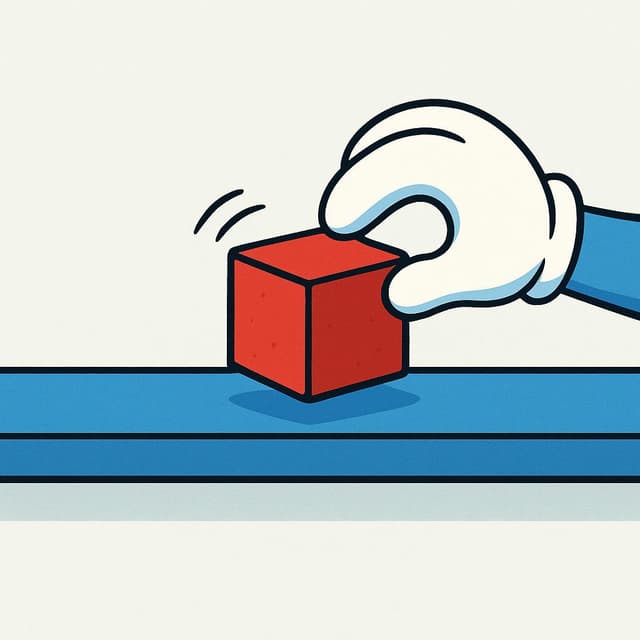
retirar — to remove
The present subjunctive of 'retirar' is 'retire' (yo/usted), 'retires' (tú), 'retiremos' (nosotros), 'retiréis' (vosotros), 'retiren' (ustedes), used after expressions of doubt, desire, or emotion.
retirar Present Subjunctive Forms
When to Use the Present Subjunctive
Use the present subjunctive after phrases expressing doubt ('dudo que'), desire ('quiero que'), emotion ('me alegra que'), or impersonal expressions ('es importante que'). For 'retirar', you might say 'Espero que retires tu solicitud' (I hope you withdraw your application) or 'Dudo que retiren el artículo' (I doubt they will remove the article).
Notes on retirar in the Present Subjunctive
'Retirar' is regular in the present subjunctive. The stem is the same as the 'yo' form of the present indicative ('retiro'), and the endings are those of the -er/-ir verbs, but swapped.
Example Sentences
Quiero que retires tus comentarios negativos.
I want you to remove your negative comments.
tú
Es importante que usted retire su firma.
It's important that you remove your signature.
Esperamos que ellos retiren el producto defectuoso.
We hope they withdraw the defective product.
ellos/ellas/ustedes
El profesor duda que retiremos el trabajo.
The professor doubts that we will withdraw the work.
nosotros
Common Mistakes
Mistake: Using the indicative instead of the subjunctive after expressions of doubt or desire.
Correct: Use 'Dudo que retire' (subjunctive), not 'Dudo que retira' (indicative).
Why: Expressions of doubt, desire, emotion, and uncertainty trigger the subjunctive mood.
Mistake: Forgetting the accent on the 'vosotros' form.
Correct: The correct form is 'retiréis', not 'retireis'.
Why: The accent on the 'é' is crucial for correct pronunciation and to distinguish it from other forms.
Master Spanish verbs in context
Memorizing tables only gets you so far. Read 200+ illustrated and narrated Spanish stories to see verbs like 'retirar' used naturally — in the tenses you're learning.
Related Tenses
Present
yo: retiro
The present tense of 'retirar' is regular: retiro, retiras, retira, retiramos, retiráis, retiran, used for current or habitual actions.
Preterite
yo: retiré
The preterite of 'retirar' is regular: retiré, retiraste, retiró, retiramos, retirasteis, retiraron, used for completed past actions.
Imperfect
yo: retiraba
The imperfect tense of 'retirar' is regular: retiraba, retirabas, retiraba, retirábamos, retirabais, retiraban, used for ongoing or habitual past actions.
Future
yo: retiraré
The future tense of 'retirar' is regular: retiraré, retirarás, retirará, retiraremos, retiraréis, retirarán, used for actions that will happen.
Conditional
yo: retiraría
The conditional of 'retirar' is regular: retiraría, retirarías, retiraría, retiraríamos, retiraríais, retirarían, used for hypotheticals and polite requests.
Imperfect Subjunctive
yo: retirara
The imperfect subjunctive of 'retirar' has two forms: 'retirara/retirase' and 'retiraras/retirases', used for past hypotheticals or wishes.
Affirmative Imperative
yo: retira
Use 'retira' (tú), 'retire' (usted), 'retiren' (ustedes), 'retirad' (vosotros), or 'retiremos' (nosotros) for direct commands.
Negative Imperative
yo: no retires
Use 'no retires' (tú), 'no retire' (usted), 'no retiren' (ustedes), 'no retiréis' (vosotros), or 'no retiremos' (nosotros) for negative commands.