retirar Future Conjugation
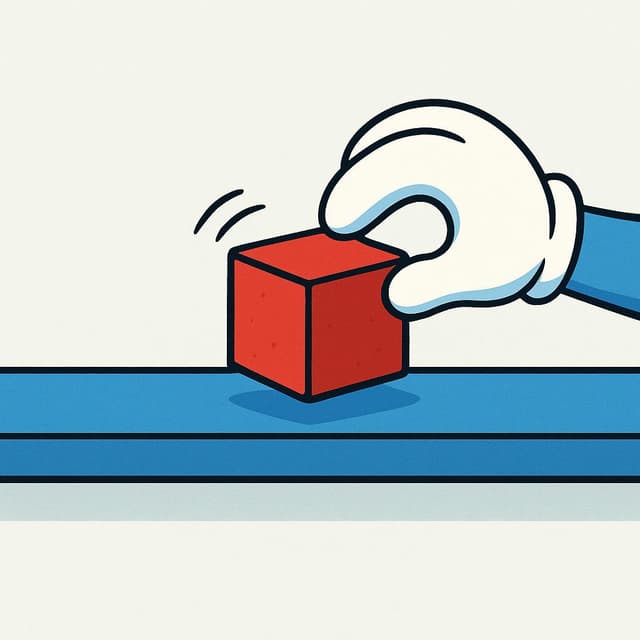
retirar — to remove
The future tense of 'retirar' is regular: retiraré, retirarás, retirará, retiraremos, retiraréis, retirarán, used for actions that will happen.
retirar Future Forms
When to Use the Future
Use the future tense to talk about actions that are certain to happen later, or to express probability or conjecture about the present. For 'retirar', you might say 'Mañana retiraré el dinero del cajero' (Tomorrow I will withdraw money from the ATM) or 'Retirará pronto del mercado' (It will likely be withdrawn from the market soon).
Notes on retirar in the Future
'Retirar' is regular in the future tense. The stem is the full infinitive 'retirar', and the endings are the standard future endings for -ar verbs.
Example Sentences
El próximo mes retiraré mi membresía.
Next month I will cancel my membership.
yo
¿Retirarás tu coche de ahí?
Will you move your car from there?
tú
La empresa retirará el producto la semana que viene.
The company will withdraw the product next week.
él/ella/usted
Ellos retirarán su apoyo si no cambian de opinión.
They will withdraw their support if they don't change their minds.
ellos/ellas/ustedes
Common Mistakes
Mistake: Using the present tense instead of the future for a planned action.
Correct: Use 'retiraré' for future actions, not 'retiro'.
Why: The future tense explicitly indicates an action that will occur later.
Mistake: Confusing future endings with conditional endings.
Correct: The future is 'retirará', the conditional is 'retiraría'.
Why: Future endings are '-é, -ás, -á...', while conditional endings are '-ía, -ías, -ía...'.
Master Spanish verbs in context
Memorizing tables only gets you so far. Read 200+ illustrated and narrated Spanish stories to see verbs like 'retirar' used naturally — in the tenses you're learning.
Related Tenses
Present
yo: retiro
The present tense of 'retirar' is regular: retiro, retiras, retira, retiramos, retiráis, retiran, used for current or habitual actions.
Preterite
yo: retiré
The preterite of 'retirar' is regular: retiré, retiraste, retiró, retiramos, retirasteis, retiraron, used for completed past actions.
Imperfect
yo: retiraba
The imperfect tense of 'retirar' is regular: retiraba, retirabas, retiraba, retirábamos, retirabais, retiraban, used for ongoing or habitual past actions.
Conditional
yo: retiraría
The conditional of 'retirar' is regular: retiraría, retirarías, retiraría, retiraríamos, retiraríais, retirarían, used for hypotheticals and polite requests.
Present Subjunctive
yo: retire
The present subjunctive of 'retirar' is 'retire' (yo/usted), 'retires' (tú), 'retiremos' (nosotros), 'retiréis' (vosotros), 'retiren' (ustedes), used after expressions of doubt, desire, or emotion.
Imperfect Subjunctive
yo: retirara
The imperfect subjunctive of 'retirar' has two forms: 'retirara/retirase' and 'retiraras/retirases', used for past hypotheticals or wishes.
Affirmative Imperative
yo: retira
Use 'retira' (tú), 'retire' (usted), 'retiren' (ustedes), 'retirad' (vosotros), or 'retiremos' (nosotros) for direct commands.
Negative Imperative
yo: no retires
Use 'no retires' (tú), 'no retire' (usted), 'no retiren' (ustedes), 'no retiréis' (vosotros), or 'no retiremos' (nosotros) for negative commands.