retirar Negative Imperative Conjugation
retirar — to remove
Use 'no retires' (tú), 'no retire' (usted), 'no retiren' (ustedes), 'no retiréis' (vosotros), or 'no retiremos' (nosotros) for negative commands.
retirar Negative Imperative Forms
When to Use the Negative Imperative
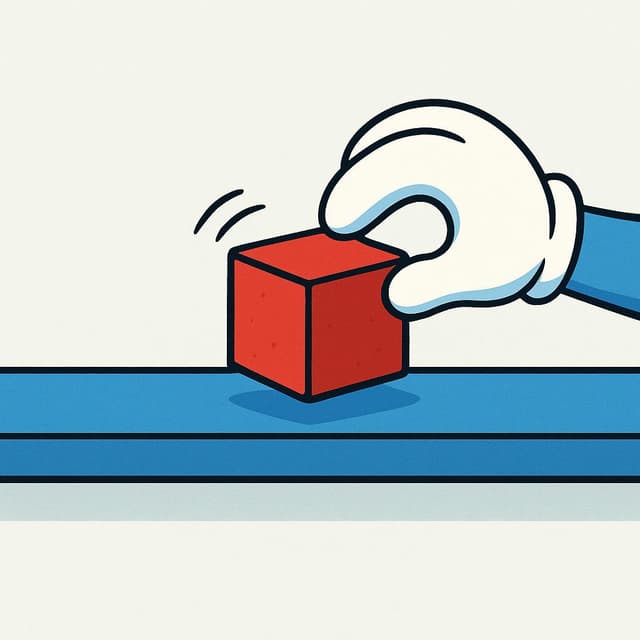
This is for telling someone NOT to do something. For 'retirar', you might say 'No retires esa foto' (Don't remove that photo) or 'No retires el dinero todavía' (Don't withdraw the money yet).
Notes on retirar in the Negative Imperative
All negative commands use the present subjunctive. 'Retirar' is regular in the present subjunctive, so its negative imperative forms are also regular. The 'vosotros' form requires an accent on the 'e'.
Example Sentences
No retires el comentario, fue importante.
Don't remove the comment, it was important.
tú
No retire su coche de aquí.
Do not remove your car from here.
usted
No retiréis vuestros abrigos todavía.
Don't take off your coats yet.
vosotros
No retiren los muebles sin permiso.
Do not remove the furniture without permission.
ustedes
Common Mistakes
Mistake: Using the imperfect subjunctive instead of the present subjunctive.
Correct: Use 'no retires', not 'no retiraras'.
Why: Negative commands always use the present subjunctive, not the imperfect.
Mistake: Forgetting the accent on the 'vosotros' form.
Correct: The correct form is 'no retiréis', not 'no retireis'.
Why: The accent is necessary to maintain the correct pronunciation and distinguish it from other forms.
Master Spanish verbs in context
Memorizing tables only gets you so far. Read 200+ illustrated and narrated Spanish stories to see verbs like 'retirar' used naturally — in the tenses you're learning.
Related Tenses
Present
yo: retiro
The present tense of 'retirar' is regular: retiro, retiras, retira, retiramos, retiráis, retiran, used for current or habitual actions.
Preterite
yo: retiré
The preterite of 'retirar' is regular: retiré, retiraste, retiró, retiramos, retirasteis, retiraron, used for completed past actions.
Imperfect
yo: retiraba
The imperfect tense of 'retirar' is regular: retiraba, retirabas, retiraba, retirábamos, retirabais, retiraban, used for ongoing or habitual past actions.
Future
yo: retiraré
The future tense of 'retirar' is regular: retiraré, retirarás, retirará, retiraremos, retiraréis, retirarán, used for actions that will happen.
Conditional
yo: retiraría
The conditional of 'retirar' is regular: retiraría, retirarías, retiraría, retiraríamos, retiraríais, retirarían, used for hypotheticals and polite requests.
Present Subjunctive
yo: retire
The present subjunctive of 'retirar' is 'retire' (yo/usted), 'retires' (tú), 'retiremos' (nosotros), 'retiréis' (vosotros), 'retiren' (ustedes), used after expressions of doubt, desire, or emotion.
Imperfect Subjunctive
yo: retirara
The imperfect subjunctive of 'retirar' has two forms: 'retirara/retirase' and 'retiraras/retirases', used for past hypotheticals or wishes.
Affirmative Imperative
yo: retira
Use 'retira' (tú), 'retire' (usted), 'retiren' (ustedes), 'retirad' (vosotros), or 'retiremos' (nosotros) for direct commands.