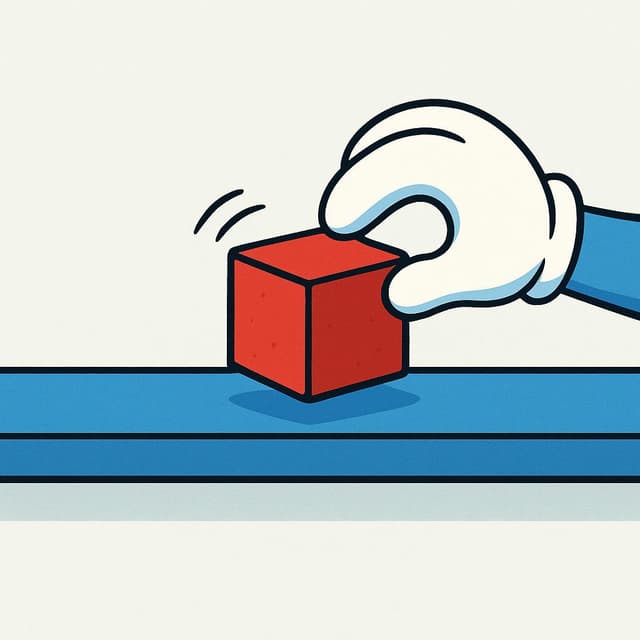
retirar Imperfect Conjugation
retirar — to remove
The imperfect tense of 'retirar' is regular: retiraba, retirabas, retiraba, retirábamos, retirabais, retiraban, used for ongoing or habitual past actions.
retirar Imperfect Forms
When to Use the Imperfect
Use the imperfect tense to describe ongoing actions, habitual actions, or background settings in the past. For 'retirar', you could say 'Cuando era niño, retiraba las sábanas de mi cama todos los días' (When I was a child, I used to pull off my bedsheets every day) or 'El camarero retiraba los platos mientras hablábamos' (The waiter was clearing the plates while we talked).
Notes on retirar in the Imperfect
'Retirar' is regular in the imperfect indicative. The stem is the full infinitive 'retirar', and the endings are the standard imperfect endings for -ar verbs.
Example Sentences
Yo retiraba mi coche del garaje todas las mañanas.
I used to drive my car out of the garage every morning.
yo
¿Tú retirabas el correo cuando vivías allí?
Did you used to get the mail when you lived there?
tú
Ella retiraba el mantel con cuidado.
She was carefully removing the tablecloth.
él/ella/usted
Los niños retiraban sus juguetes antes de cenar.
The children used to put away their toys before dinner.
ellos/ellas/ustedes
Common Mistakes
Mistake: Using the preterite for habitual past actions.
Correct: Use 'retiraba' for habitual actions, not 'retiró'.
Why: The imperfect describes ongoing or repeated actions, while the preterite describes completed actions.
Mistake: Confusing the imperfect endings with the present tense.
Correct: Use 'retirábamos', not 'retiramos'.
Why: The imperfect endings for -ar verbs are '-aba, -abas, -aba...', whereas the present endings are '-o, -as, -a...'.
Master Spanish verbs in context
Memorizing tables only gets you so far. Read 200+ illustrated and narrated Spanish stories to see verbs like 'retirar' used naturally — in the tenses you're learning.
Related Tenses
Present
yo: retiro
The present tense of 'retirar' is regular: retiro, retiras, retira, retiramos, retiráis, retiran, used for current or habitual actions.
Preterite
yo: retiré
The preterite of 'retirar' is regular: retiré, retiraste, retiró, retiramos, retirasteis, retiraron, used for completed past actions.
Future
yo: retiraré
The future tense of 'retirar' is regular: retiraré, retirarás, retirará, retiraremos, retiraréis, retirarán, used for actions that will happen.
Conditional
yo: retiraría
The conditional of 'retirar' is regular: retiraría, retirarías, retiraría, retiraríamos, retiraríais, retirarían, used for hypotheticals and polite requests.
Present Subjunctive
yo: retire
The present subjunctive of 'retirar' is 'retire' (yo/usted), 'retires' (tú), 'retiremos' (nosotros), 'retiréis' (vosotros), 'retiren' (ustedes), used after expressions of doubt, desire, or emotion.
Imperfect Subjunctive
yo: retirara
The imperfect subjunctive of 'retirar' has two forms: 'retirara/retirase' and 'retiraras/retirases', used for past hypotheticals or wishes.
Affirmative Imperative
yo: retira
Use 'retira' (tú), 'retire' (usted), 'retiren' (ustedes), 'retirad' (vosotros), or 'retiremos' (nosotros) for direct commands.
Negative Imperative
yo: no retires
Use 'no retires' (tú), 'no retire' (usted), 'no retiren' (ustedes), 'no retiréis' (vosotros), or 'no retiremos' (nosotros) for negative commands.