alteración
“alteración” means “alteration” in Spanish. It has 2 different meanings depending on context:
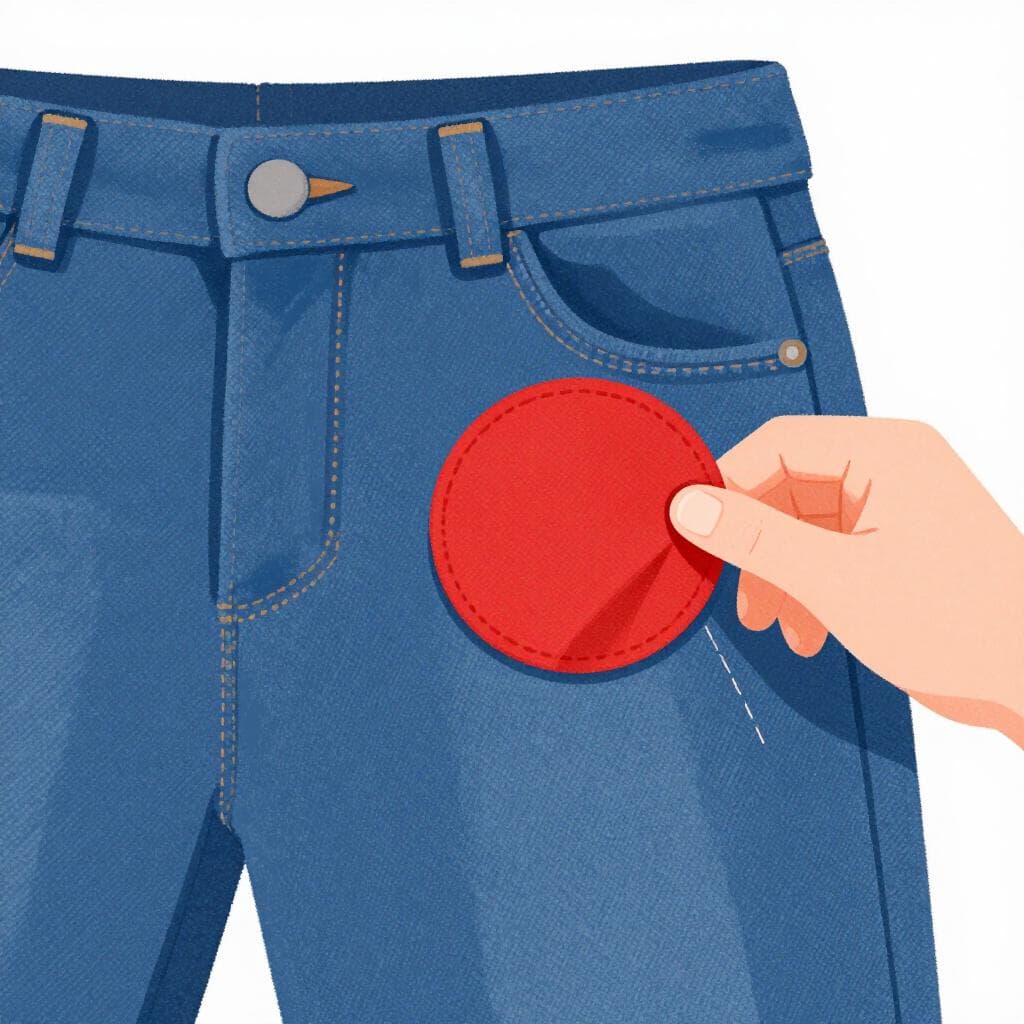

alteration, change
Also: modification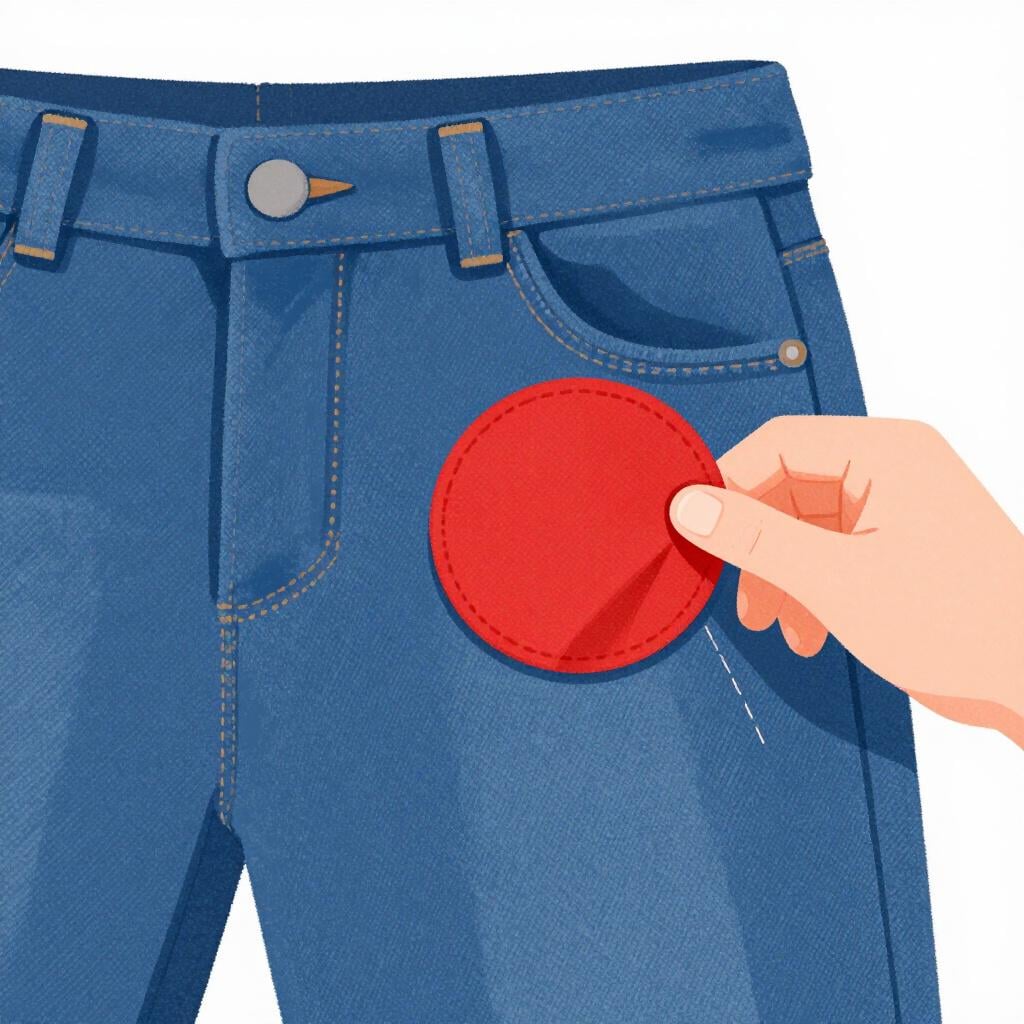
📝 In Action
El sastre hizo una pequeña alteración en los pantalones.
B1The tailor made a small alteration to the pants.
Hubo una alteración en el horario del tren por la lluvia.
B1There was a change in the train schedule because of the rain.
Cualquier alteración del contrato debe ser firmada por ambos.
B2Any modification of the contract must be signed by both parties.
agitation, disturbance
Also: unrest
📝 In Action
Su alteración era evidente cuando recibió la noticia.
B2Her agitation was obvious when she received the news.
La policía intervino para evitar una alteración del orden público.
C1The police stepped in to prevent a disturbance of public order.
El paciente mostraba signos de alteración nerviosa.
C1The patient showed signs of nervous distress.
✏️ Quick Practice
Quick Quiz: alteración
Question 1 of 3
Which of these is the most likely meaning of 'una alteración en el contrato'?
📚 More Resources
👥 Word Family▼
🎵 Rhymes▼
📚 Etymology▼
From the Latin word 'alteratio', which comes from 'alterare', meaning 'to make something different' or 'to change into something else'.
First recorded: 13th century
Cognates (Related words)
💡 Master Spanish
Take your Spanish to the next level. Read 200+ illustrated and narrated Spanish stories tailored to your level with the Inklingo app!
Frequently Asked Questions
Is 'alteración' used for physical fights?
Not usually. For a physical or loud verbal fight, Spanish speakers prefer the word 'altercado'. 'Alteración' refers more to the state of being upset or the change that occurred.
Can I use 'alteración' for music?
Yes! In music, an 'alteración' refers to an accidental, like a sharp or a flat, which 'changes' the natural pitch of a note.
Is it different from 'cambio'?
'Cambio' is the general word for 'change'. 'Alteración' is often used when a change is a bit more formal, technical, or when it disrupts the original state of things.