antiguo
“antiguo” means “old” in Spanish. It has 2 different meanings depending on context:
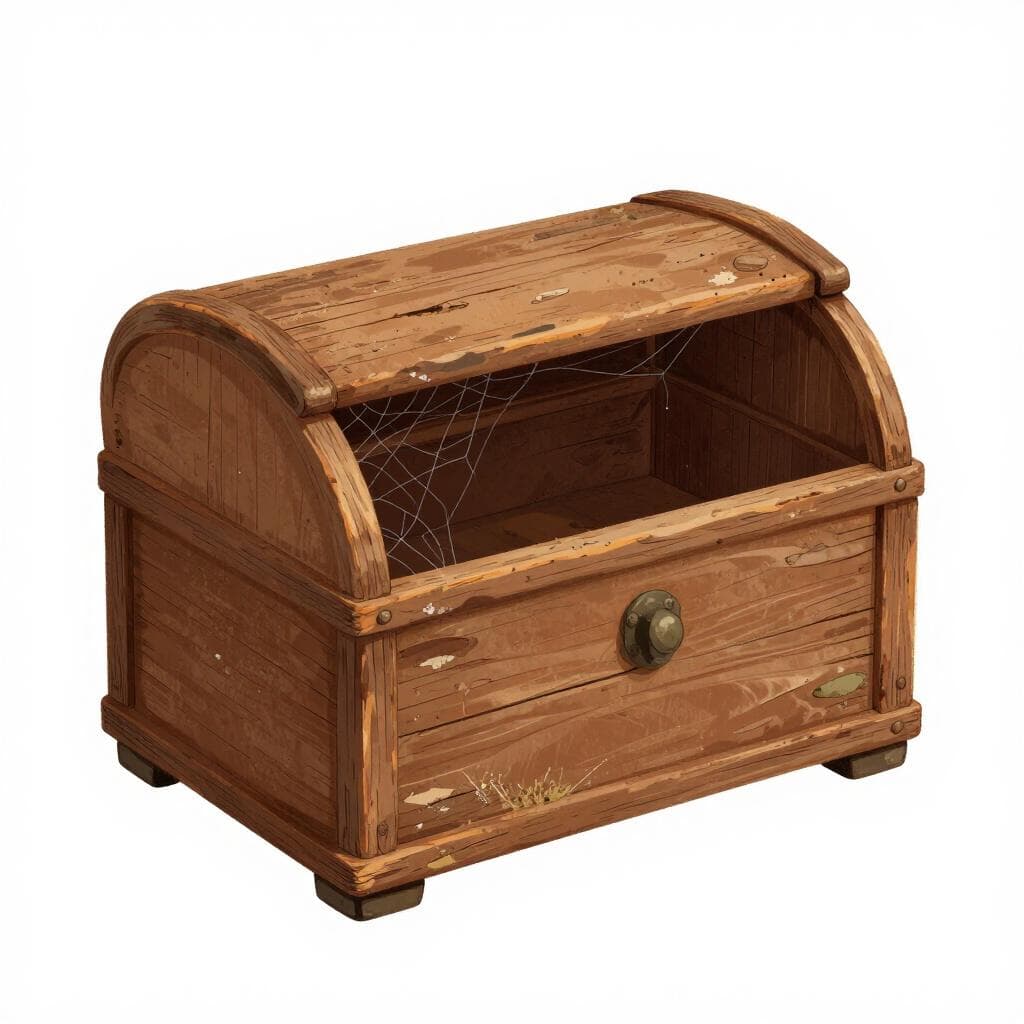

old, ancient
Also: antique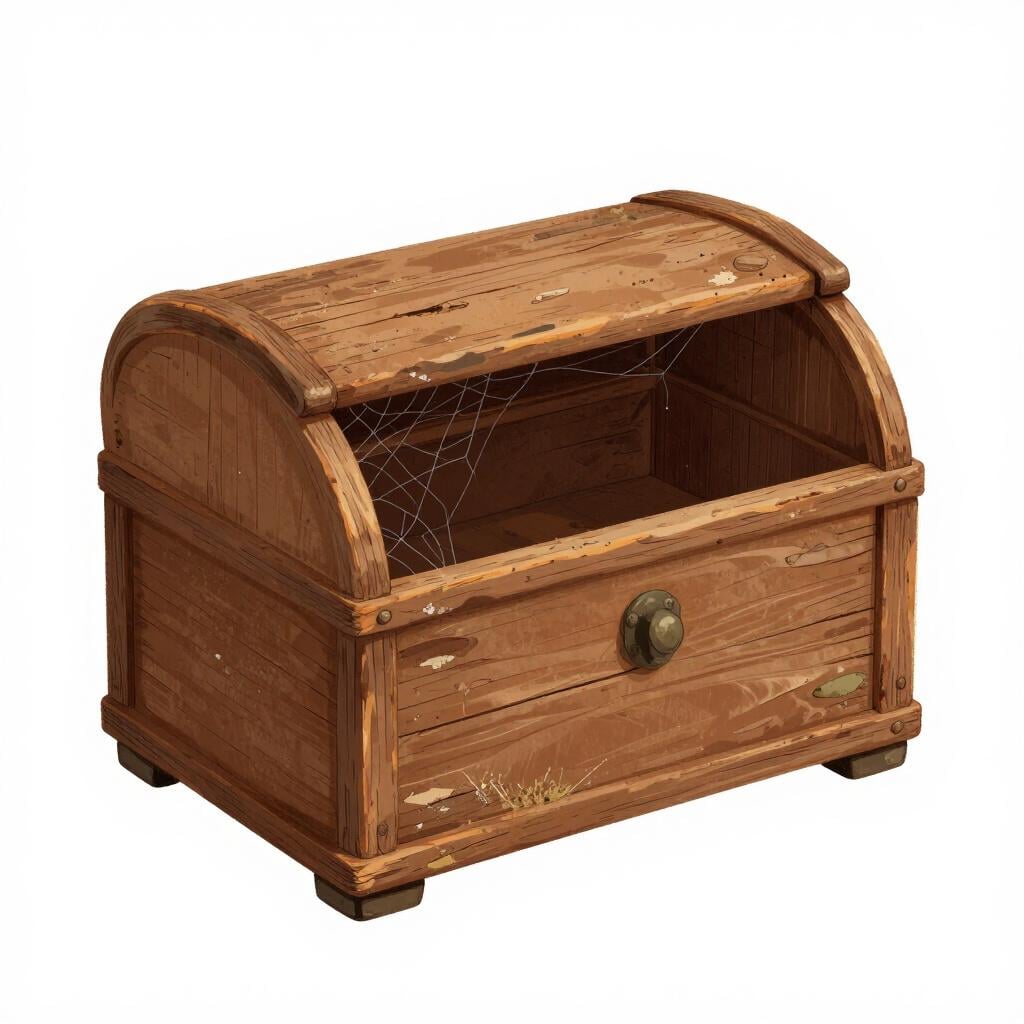
📝 In Action
Este castillo es muy antiguo, fue construido en el siglo XII.
A2This castle is very old; it was built in the 12th century.
Me encanta la música antigua, como el jazz de los años 20.
A1I love old music, like jazz from the 20s.
La civilización maya es una civilización antigua.
B1The Mayan civilization is an ancient civilization.
former, previous

📝 In Action
Mi antiguo compañero de piso se mudó el mes pasado.
B1My former roommate moved out last month.
Ella vendió su antigua casa y compró un apartamento nuevo.
B2She sold her previous house and bought a new apartment.
🔀 Commonly Confused With
Translate to Spanish
✏️ Quick Practice
Quick Quiz: antiguo
Question 1 of 1
Which sentence correctly uses 'antiguo' to mean 'former'?
📚 More Resources
👥 Word Family▼
📚 Etymology▼
Comes from the Latin word *antīquus*, which meant 'old' or 'venerable.' This word itself is related to *ante*, meaning 'before,' which tells us that the core idea is something that happened or existed long ago.
First recorded: 13th century
Cognates (Related words)
💡 Master Spanish
Take your Spanish to the next level. Read 200+ illustrated and narrated Spanish stories tailored to your level with the Inklingo app!
Frequently Asked Questions
What is the difference between 'antiguo' and 'viejo'?
'Antiguo' usually refers to historical age, quality, or a former status (like an antique or an ancient civilization). 'Viejo' is the general word for 'old' and is used more often for people, worn-out items, or things that are simply aged.
How do I say 'my ex-boyfriend' using 'antiguo'?
You would say 'mi antiguo novio' (literally, 'my former boyfriend'). Remember to place 'antiguo' before the noun when referring to a previous relationship or status.