antigüedad
“antigüedad” means “age” in Spanish. It has 3 different meanings depending on context:


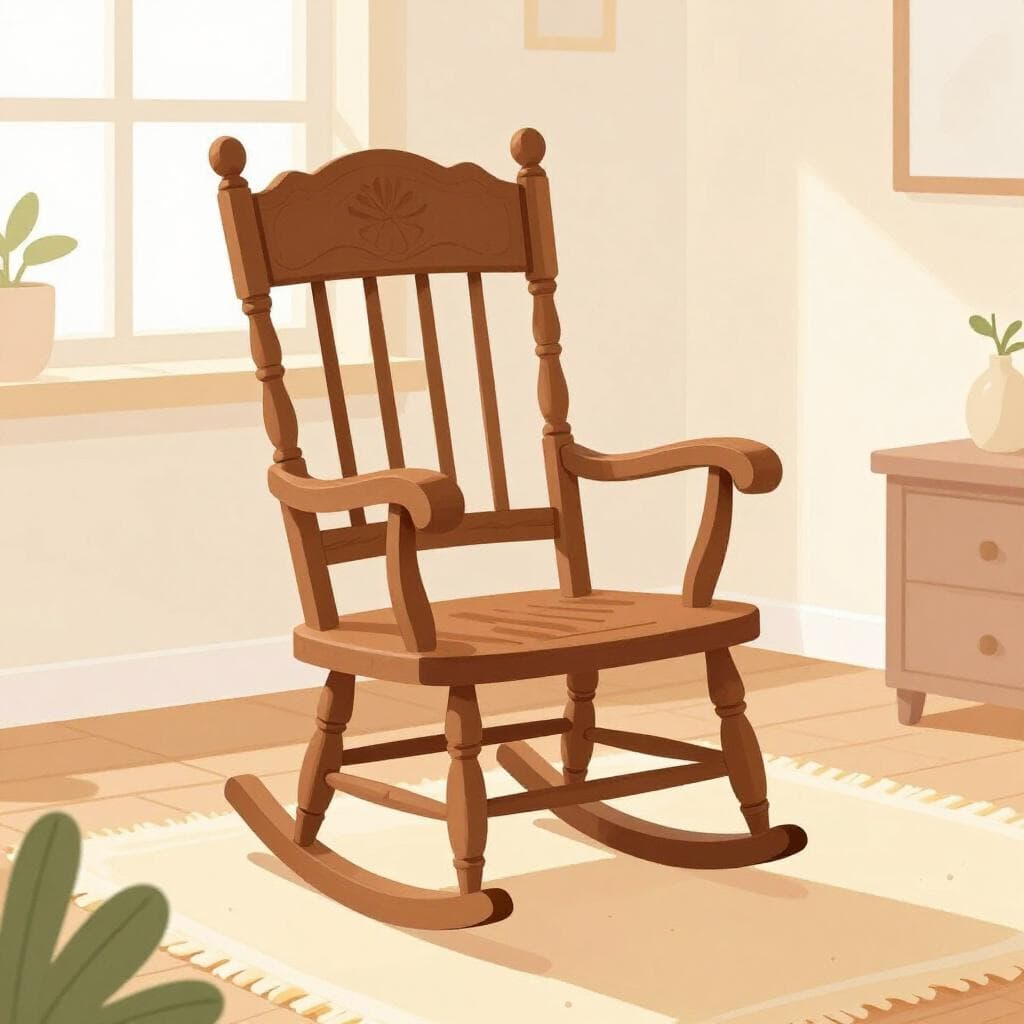
age, ancientness
Also: Antiquity
📝 In Action
No conocemos la antigüedad exacta de este edificio.
B1We don't know the exact age of this building.
Ese mueble tiene mucha antigüedad.
B1That piece of furniture is very old.
En la Antigüedad, la gente creía en muchos dioses.
B2In Antiquity, people believed in many gods.
seniority
Also: tenure
📝 In Action
Tengo cinco años de antigüedad en esta empresa.
B2I have five years of seniority at this company.
Los ascensos se deciden por antigüedad.
B2Promotions are decided by seniority.
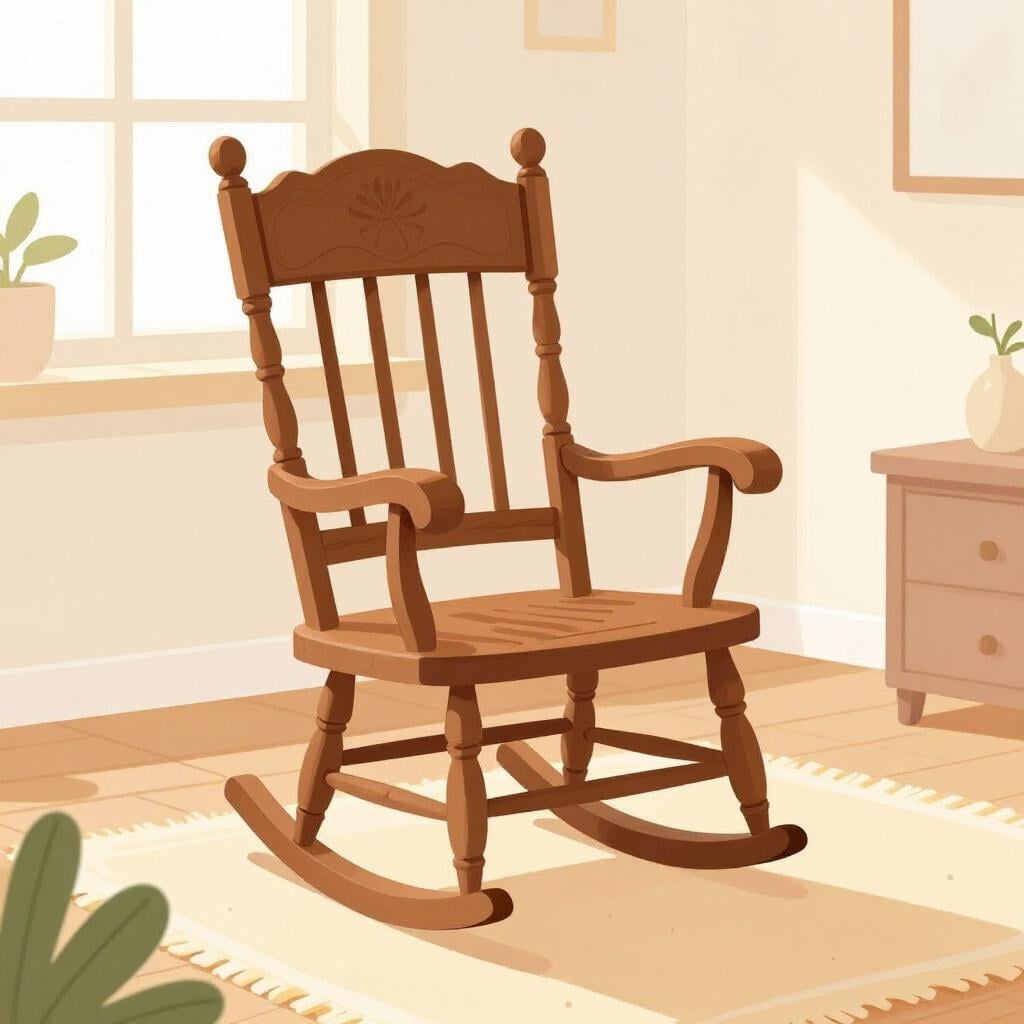
antique
📝 In Action
Mi tía colecciona antigüedades chinas.
B1My aunt collects Chinese antiques.
Compramos este reloj en una tienda de antigüedades.
B1We bought this clock in an antique shop.
Translate to Spanish
✏️ Quick Practice
Quick Quiz: antigüedad
Question 1 of 3
How do you say 'antique shop' in Spanish?
📚 More Resources
👥 Word Family▼
📚 Etymology▼
From the Latin 'antiquitas', which comes from 'antiquus' (old/ancient). It is built on the root 'ante', meaning 'before'.
First recorded: 13th century
Cognates (Related words)
💡 Master Spanish
Take your Spanish to the next level. Read 200+ illustrated and narrated Spanish stories tailored to your level with the Inklingo app!
Frequently Asked Questions
Is 'antigüedad' used for people's age?
No. To talk about a person's age, use 'edad'. 'Antigüedad' is for objects, institutions, or time spent at a job.
What is the difference between 'antiguo' and 'antigüedad'?
'Antiguo' is an adjective (describing something as old), while 'antigüedad' is a noun (the quality of being old or the object itself).
Is 'antigüedad' always feminine?
Yes, it is always a feminine noun ('la antigüedad').