blusa
“blusa” means “blouse” in Spanish. It has 2 different meanings depending on context:
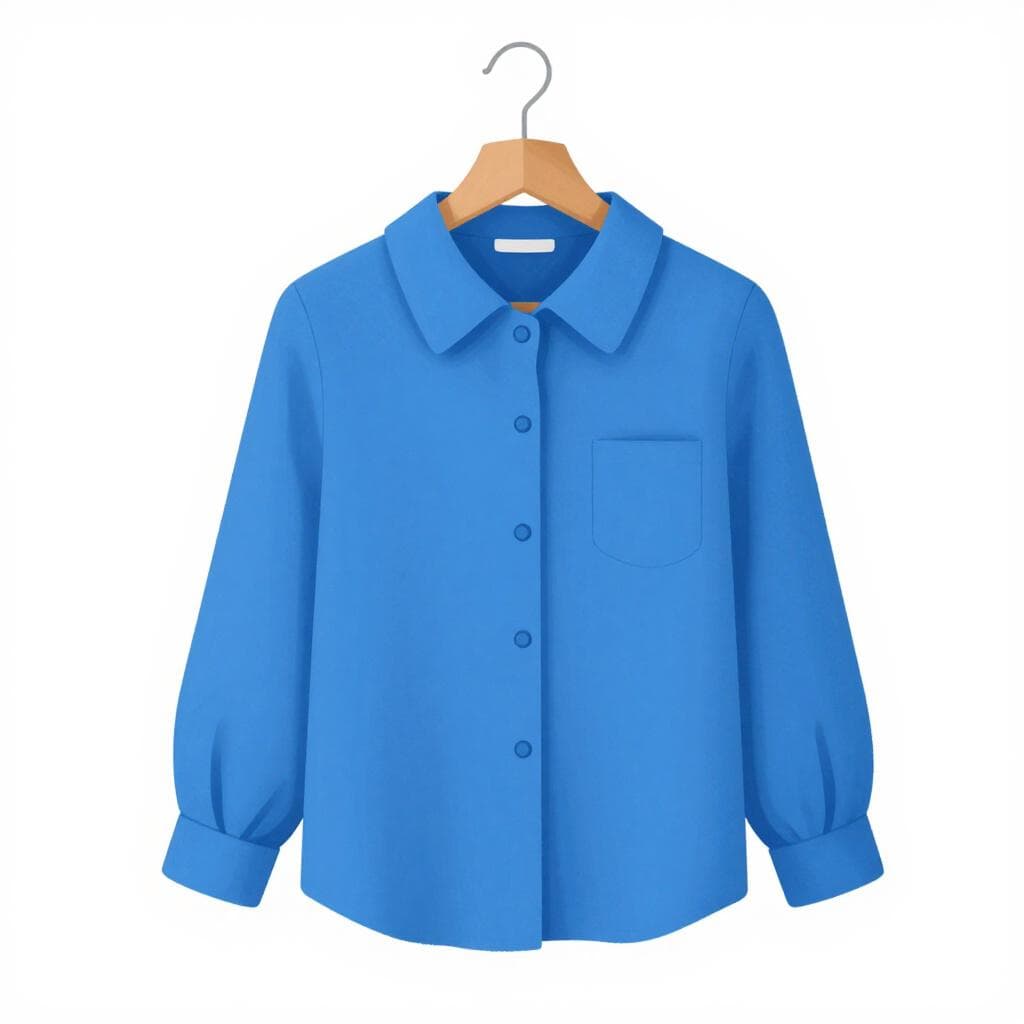
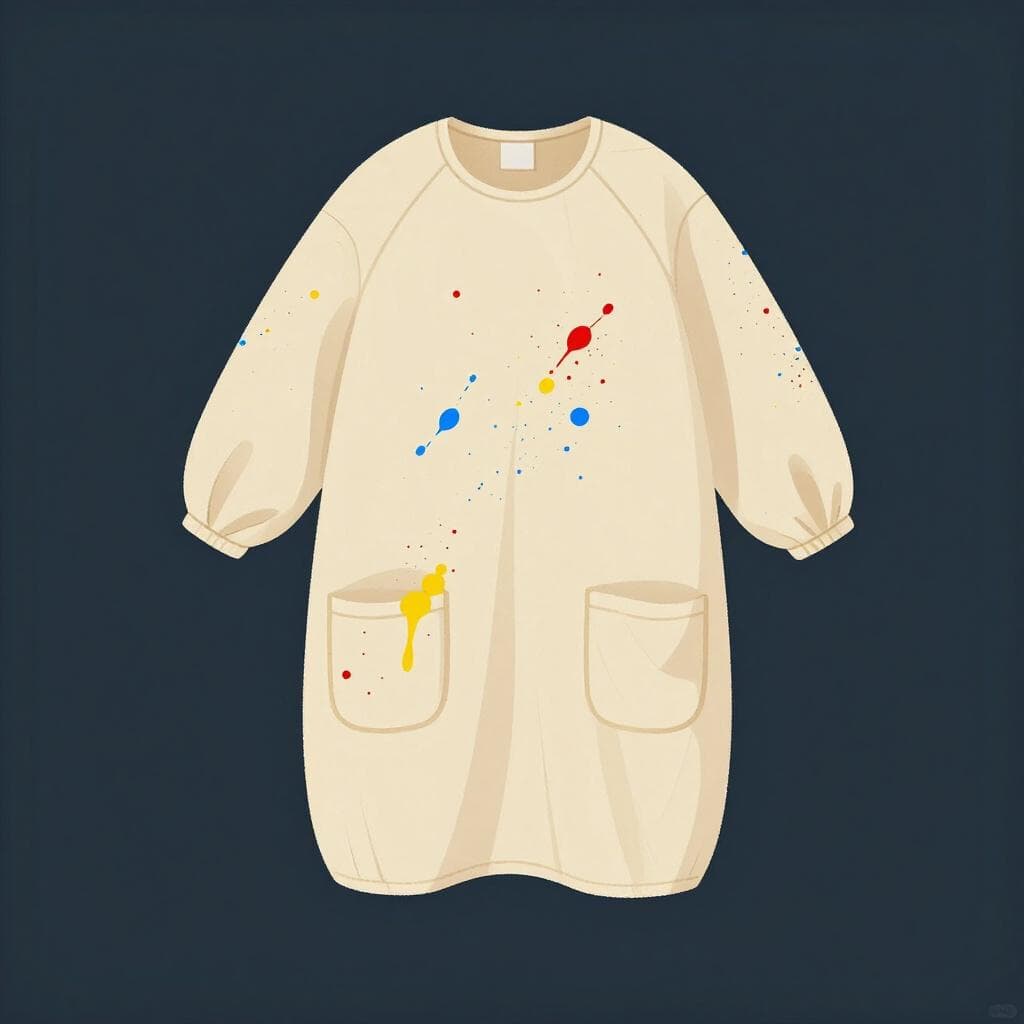
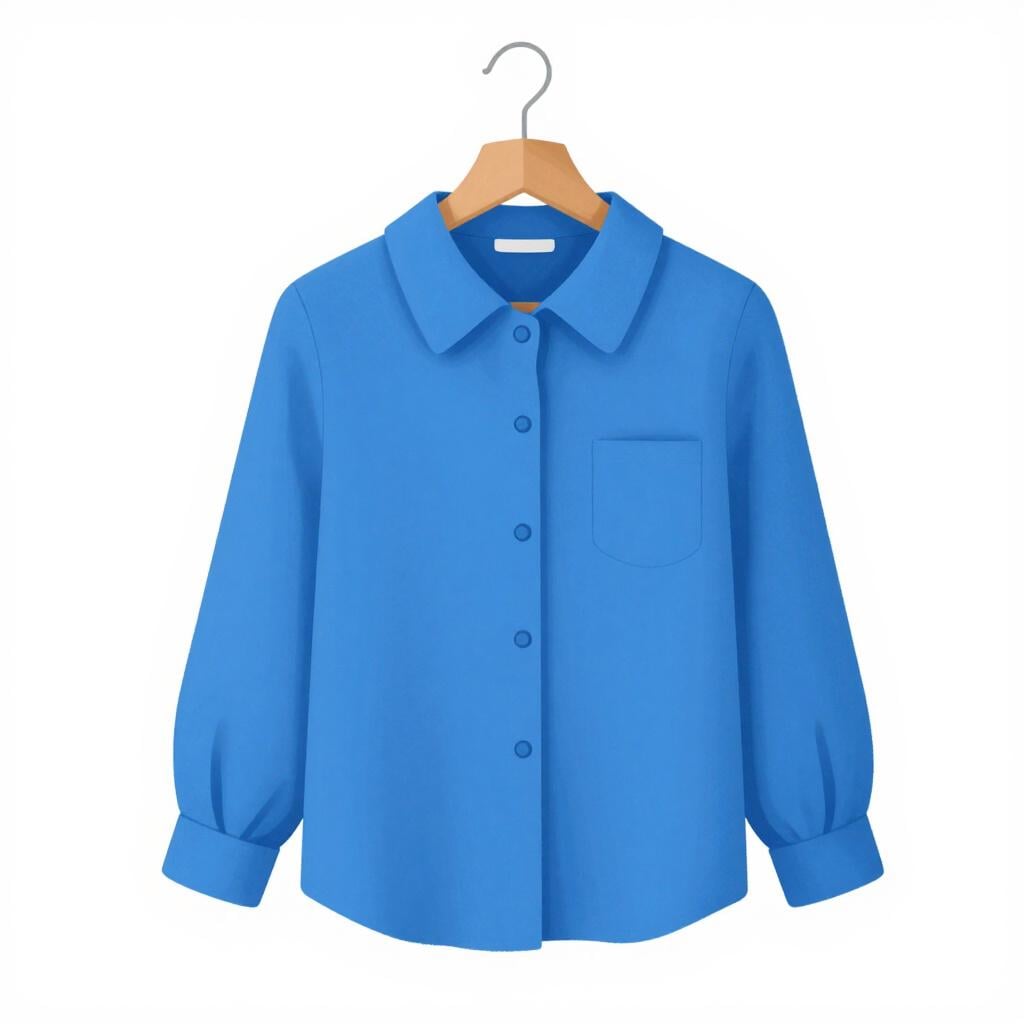
blouseAlso: top
📝 In Action
Me gusta esa blusa de seda.
A1I like that silk blouse.
Ella compró una blusa roja para la fiesta.
A1She bought a red blouse for the party.
Las blusas blancas son muy elegantes.
A2White blouses are very elegant.
Word Connections
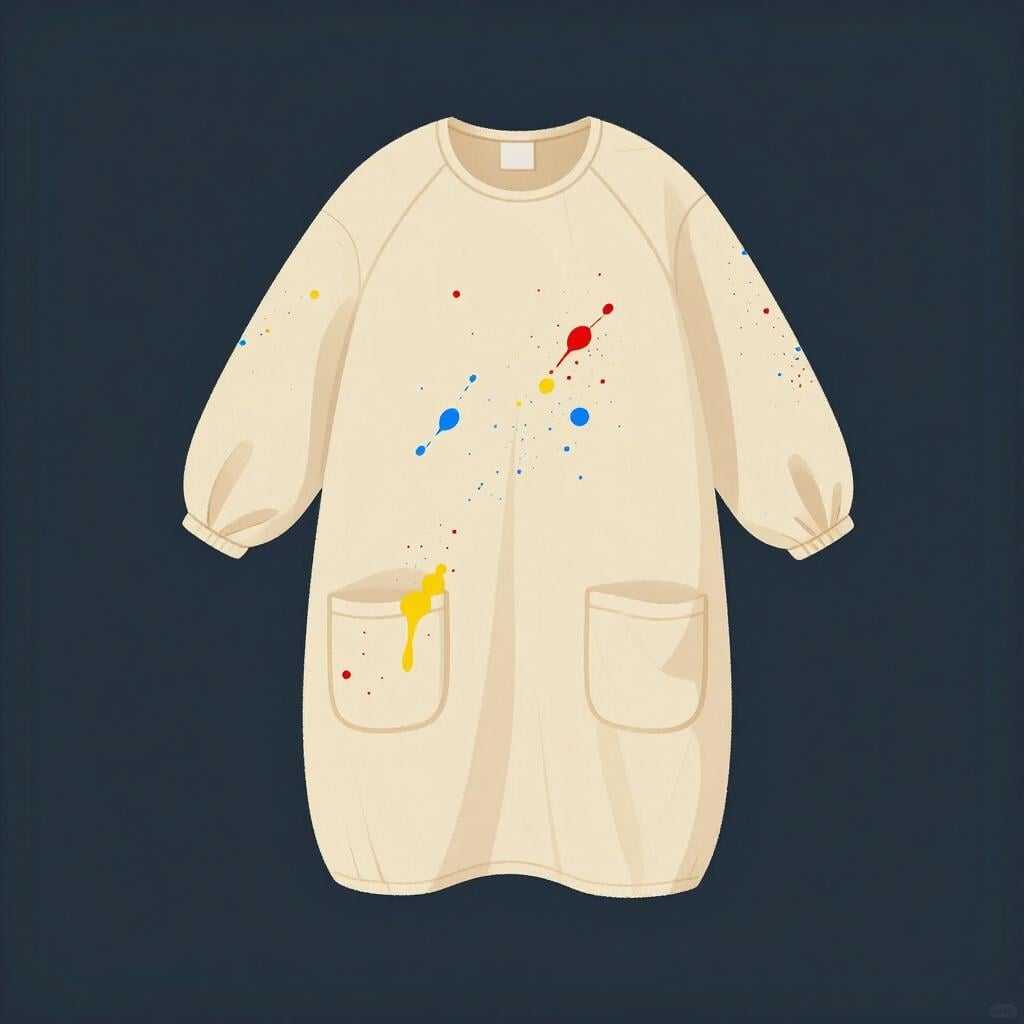
smock
📝 In Action
El pintor se puso su blusa antes de empezar el cuadro.
B2The painter put on his smock before starting the painting.
Word Connections
Translate to Spanish
🗣️ Practice in a Tongue Twister
✏️ Quick Practice
Quick Quiz: blusa
Question 1 of 2
Which of these would you call a 'blusa'?
📚 More Resources
👥 Word Family
📚 Etymology
From the French word 'blouse', which originally referred to a short garment worn by workmen.
First recorded: 19th century
Cognates (Related words)
💡 Master Spanish
Take your Spanish to the next level. Read 200+ illustrated and narrated Spanish stories tailored to your level with the Inklingo app!
Frequently Asked Questions
Can men wear a 'blusa' in Spanish?
In modern daily Spanish, 'blusa' refers to women's clothing. If a man is wearing a button-down shirt, it is called a 'camisa'.
What is the difference between 'blusa' and 'camiseta'?
A 'camiseta' is specifically a T-shirt (casual, cotton, usually no buttons). A 'blusa' is generally more 'dressy' or feminine in style.