How to Say "smock" in Spanish
The most common Spanish word for “smock” is “babi” — use 'babi' for a loose garment worn by babies or very young children, often to protect their clothes while eating or playing.

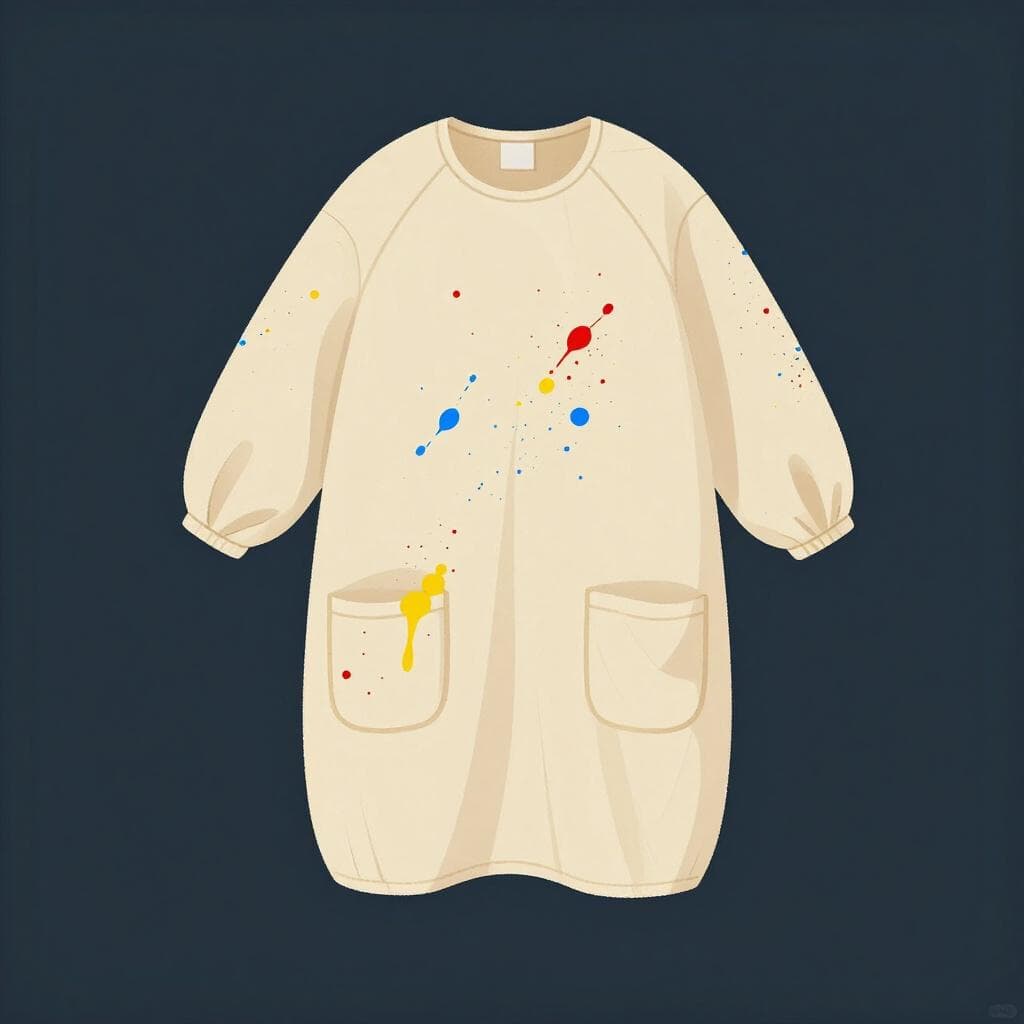
babi
Examples
El niño manchó su babi de chocolate.
The child stained his baby smock with chocolate.
bata
BAH-tahˈbata

Examples
Ponte la bata antes de empezar a pintar.
Put on the smock before you start painting.
Todos los estudiantes deben usar la bata en el laboratorio.
All students must wear the lab coat in the laboratory.
El médico se puso su bata blanca antes de empezar la operación.
The doctor put on his white coat before starting the operation.
Context is Key
When talking about work or school, 'bata' almost always means a protective outer layer, like a lab coat or smock, rather than a soft robe.
blusa
bloo-sahˈblusa
Examples
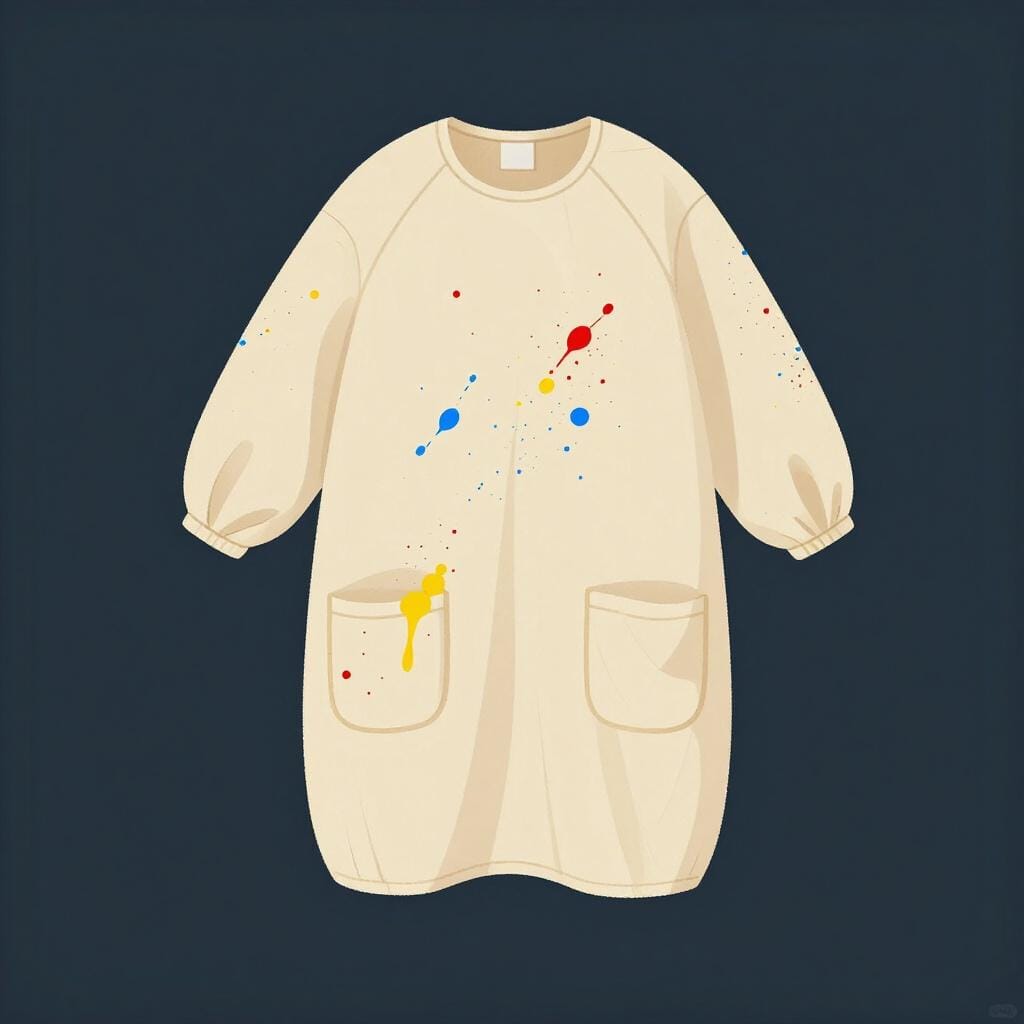
El artista llevaba una blusa vieja para proteger su ropa.
The artist wore an old smock to protect his clothes.
El pintor se puso su blusa antes de empezar el cuadro.
The painter put on his smock before starting the painting.
Historical Context
In this specific meaning, 'blusa' can sometimes refer to garments worn by men, especially in historical or artistic contexts.
Bata vs. Babi
Related Translations
Learn Spanish with Inklingo
Interactive stories, personalized learning, and more.