How to Say "top" in Spanish
The most common Spanish word for “top” is “blusa” — use 'blusa' when referring to a casual, feminine shirt or blouse worn on the upper body.
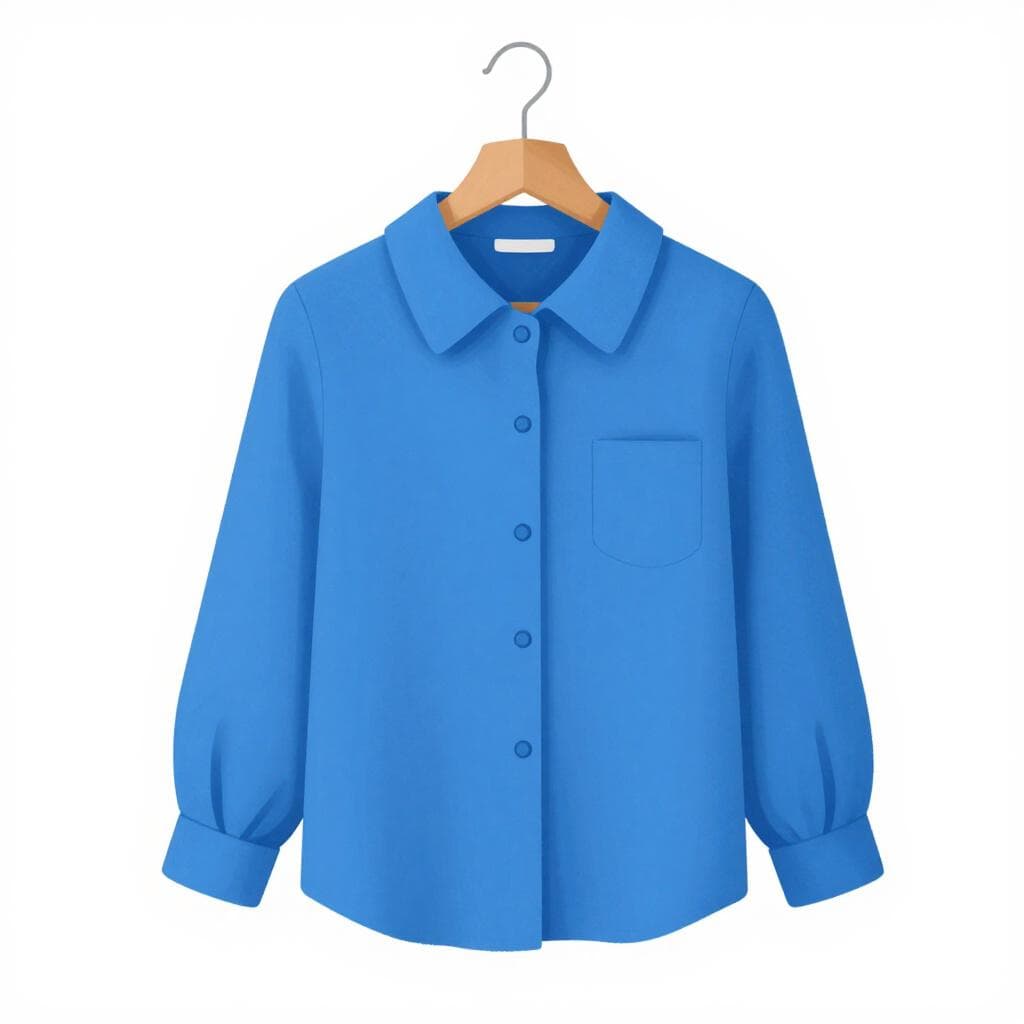
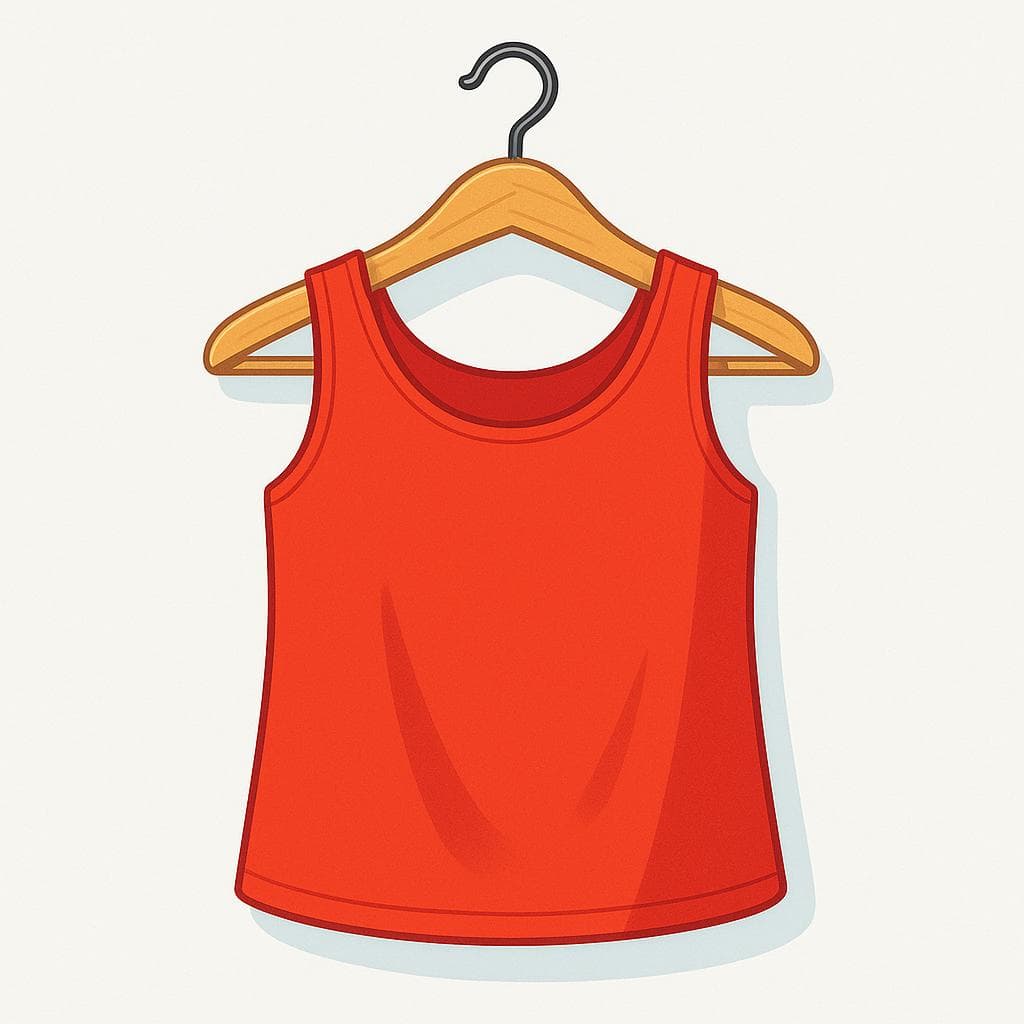



blusa
bloo-sahˈblusa
Examples
Me gusta esa blusa de seda.
I like that silk blouse.
Ella compró una blusa roja para la fiesta.
She bought a red blouse for the party.
Las blusas blancas son muy elegantes.
White blouses are very elegant.
Gender Agreement
Since this word ends in 'a', it uses 'la' or 'una'. Any words describing it (like colors) must also end in 'a'. For example: 'la blusa roja'.
Blusa vs. Camisa
Mistake: “Using 'blusa' for a man's button-down shirt.”
Correction: In Spanish, 'blusa' is almost exclusively used for women's clothing. Use 'camisa' for men's shirts.
top
toptop
Examples
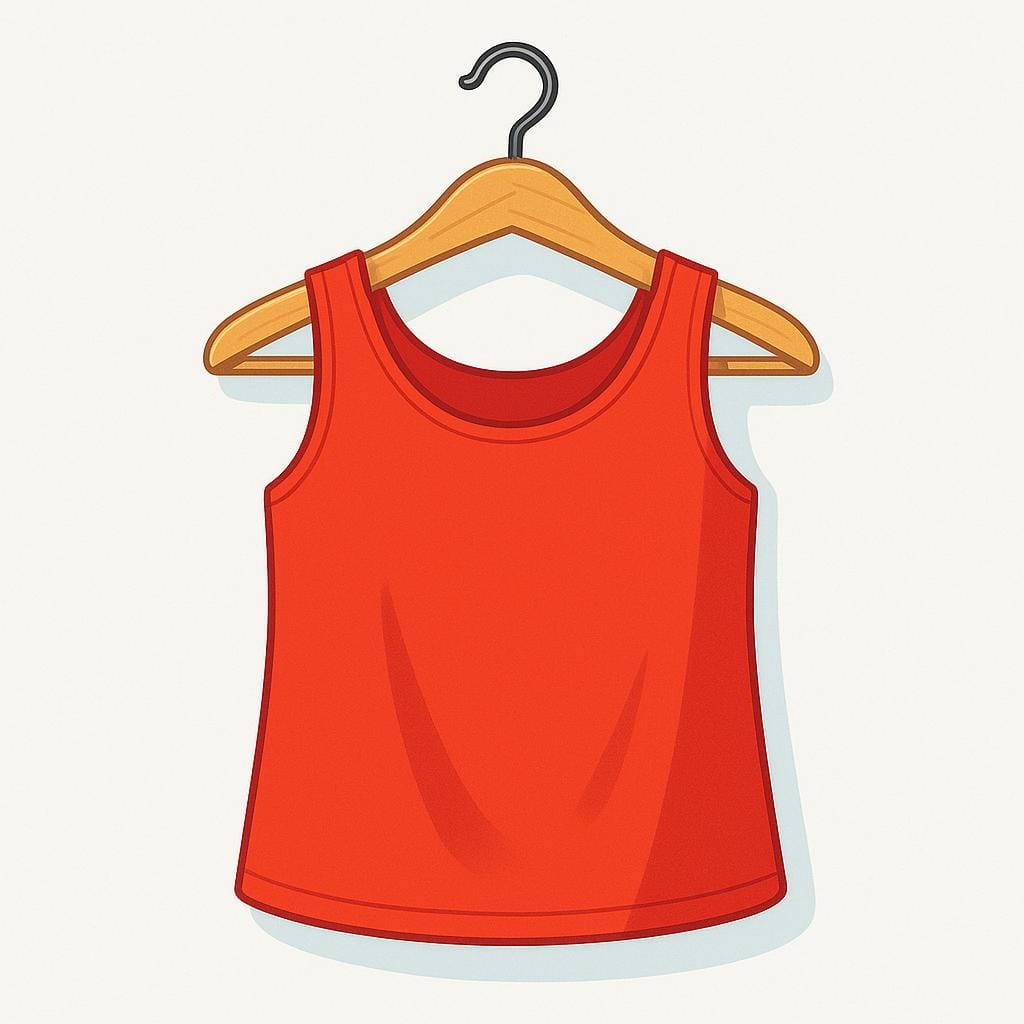
Necesito comprar un top blanco para ponérmelo con esta falda.
I need to buy a white top to wear with this skirt.
El top de encaje que llevabas ayer era muy bonito.
The lace top you were wearing yesterday was very pretty.
Su nueva película está en el top de las más vistas esta semana.
His new movie is at the top of the most watched list this week.
España se mantiene en el top cinco de países más visitados.
Spain remains in the top five of most visited countries.
Gender Use
Even though this word refers to an article of clothing, it is commonly used with the masculine article 'el' (el top).
Using Numbers
When referring to a specific position, 'top' is usually followed by the number (e.g., 'el top 3').
Confusing Gender
Mistake: “La top (using the feminine article).”
Correction: Use 'el top' instead. While clothing items can vary, 'top' is generally treated as masculine in Spanish.
Using the English Plural
Mistake: “Los tops (using the English plural 's').”
Correction: Although it is a loanword, Spanish speakers usually pluralize it by adding 's' or using the phrase 'los mejores' or 'las clasificaciones'.
superficie
soo-per-FEE-see-ehsu.peɾˈfi.θje

Examples
No toques la superficie del cristal, está caliente.
Don't touch the surface of the glass, it's hot.
El bote flotaba en la superficie del lago.
The boat floated on the surface of the lake.
La luna tiene una superficie rocosa y llena de cráteres.
The moon has a rocky surface full of craters.
Gender Alert
Even though it ends in '-ie,' 'superficie' is a feminine word. Always use 'la' or 'una' before it (la superficie).
Incorrect Gender
Mistake: “El superficie es liso.”
Correction: La superficie es lisa. (Remember it is feminine, 'la' and 'lisa' must match.)
máximo
Examples
Necesitamos alcanzar la velocidad máxima para llegar a tiempo.
We need to reach maximum speed to arrive on time.
cabeza
ka-BEH-sakaˈβeθa

Examples
Mi madre es la cabeza de la familia.
My mother is the head of the family.
El equipo está a la cabeza de la liga.
The team is at the top of the league.
El director es la cabeza visible de la empresa.
The director is the visible head of the company.
cumbre
KOOM-brehˈkumbɾe

Examples
Los escaladores finalmente alcanzaron la cumbre después de tres días.
The climbers finally reached the summit after three days.
Desde la cumbre se puede ver todo el valle.
From the peak, you can see the whole valley.
La cumbre de la montaña está cubierta de nieve perpetua.
The mountain's summit is covered in permanent snow.
Identifying Gender
Even though 'cumbre' ends in 'e', it is feminine. Always use 'la' or 'una' with it.
Using 'de' for Location
To say something is at the peak 'of' something else, always use 'la cumbre de' followed by the place.
Wrong Gender
Mistake: “el cumbre”
Correction: la cumbre (it is a feminine noun despite its ending).
top
toptop
Examples
Su nueva película está en el top de las más vistas esta semana.
His new movie is at the top of the most watched list this week.
Necesito comprar un top blanco para ponérmelo con esta falda.
I need to buy a white top to wear with this skirt.
El top de encaje que llevabas ayer era muy bonito.
The lace top you were wearing yesterday was very pretty.
España se mantiene en el top cinco de países más visitados.
Spain remains in the top five of most visited countries.
Gender Use
Even though this word refers to an article of clothing, it is commonly used with the masculine article 'el' (el top).
Using Numbers
When referring to a specific position, 'top' is usually followed by the number (e.g., 'el top 3').
Confusing Gender
Mistake: “La top (using the feminine article).”
Correction: Use 'el top' instead. While clothing items can vary, 'top' is generally treated as masculine in Spanish.
Using the English Plural
Mistake: “Los tops (using the English plural 's').”
Correction: Although it is a loanword, Spanish speakers usually pluralize it by adding 's' or using the phrase 'los mejores' or 'las clasificaciones'.
Confusing Ranking vs. Leadership
Related Translations
Learn Spanish with Inklingo
Interactive stories, personalized learning, and more.