cava
“cava” means “Spanish sparkling wine” in Spanish. It has 3 different meanings depending on context:

Spanish sparkling wineAlso: Cava

📝 In Action
Brindamos con una copa de cava por su cumpleaños.
A2We toasted with a glass of cava for her birthday.
El cava debe servirse muy frío.
B1The cava should be served very cold.
Compramos una botella de cava brut para la cena.
B1We bought a bottle of dry cava for the dinner.
Word Connections
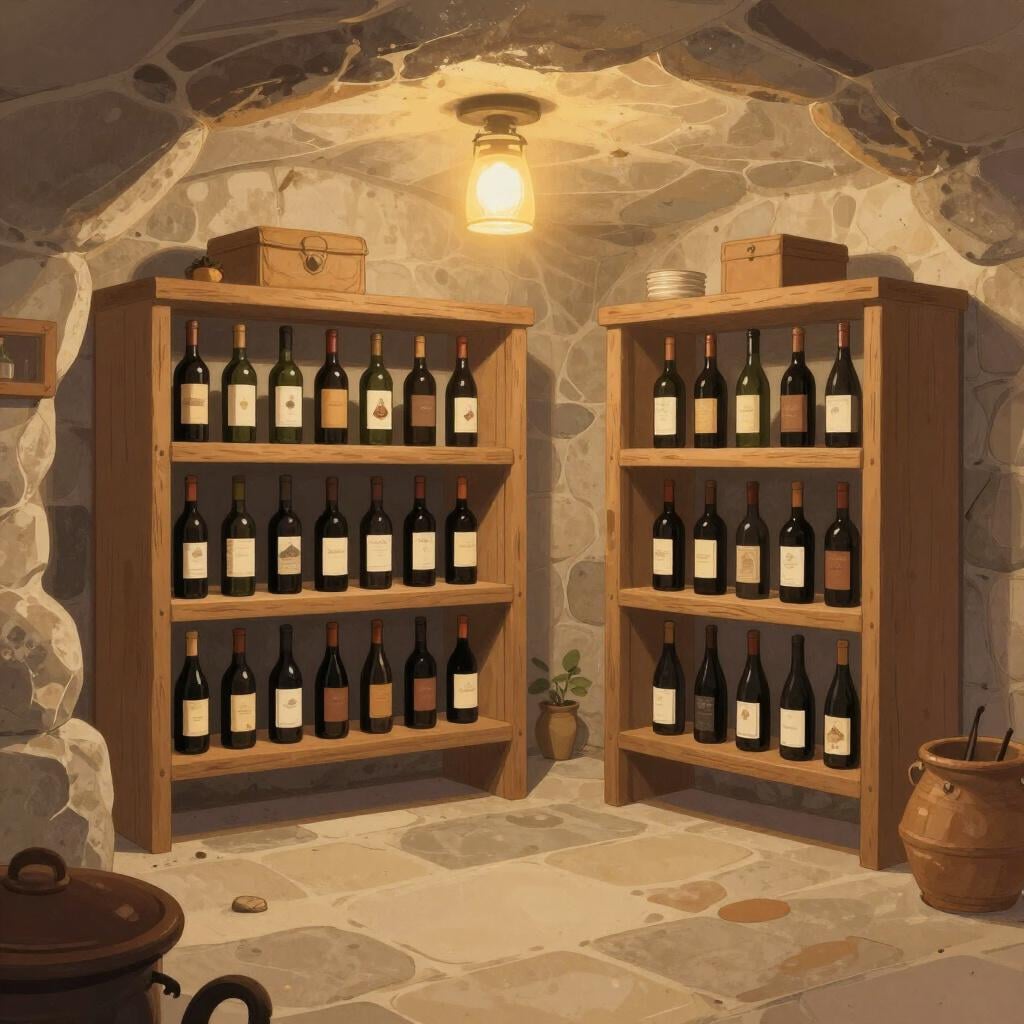
wine cellarAlso: cave
📝 In Action
Bajamos a la cava para elegir un vino especial.
B1We went down to the wine cellar to choose a special wine.
La cava de este restaurante es impresionante.
B1This restaurant's wine cellar is impressive.
Es necesario mantener la cava a una temperatura constante.
B2It is necessary to keep the cellar at a constant temperature.
Word Connections
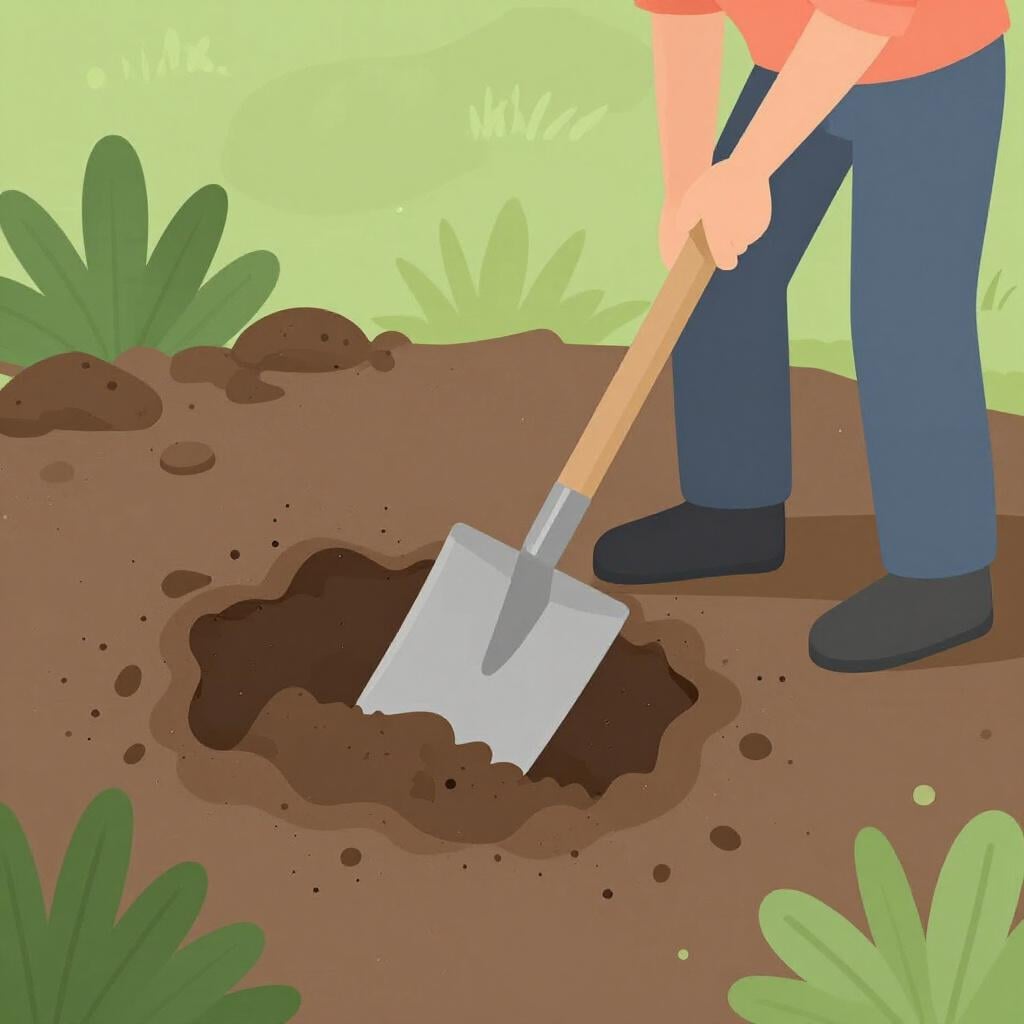
he/she/it digs, you (formal) digAlso: dig!
📝 In Action
El jardinero cava un hoyo para el árbol.
A2The gardener is digging a hole for the tree.
¡Cava más rápido!
A1Dig faster!
Usted cava con mucha fuerza.
B1You (formal) dig with a lot of strength.
Word Connections
Subjunctive
Imperfect Subjunctive
Present Subjunctive
Indicative
Preterite
Imperfect
Present
Translate to Spanish
Words that translate to "cava" in Spanish:
✏️ Quick Practice
Quick Quiz: cava
Question 1 of 3
If you want to order a glass of Spanish sparkling wine, which should you say?
📚 More Resources
👥 Word Family
🎵 Rhymes
📚 Etymology
From the Latin word 'cava', meaning a hollow place or a ditch. This root eventually gave us words for caves and for the act of making a hole.
First recorded: 13th century
Cognates (Related words)
💡 Master Spanish
Take your Spanish to the next level. Read 200+ illustrated and narrated Spanish stories tailored to your level with the Inklingo app!
Frequently Asked Questions
Is Cava the same as Champagne?
They are made using the same method, but 'Cava' is protected name for sparkling wine specifically from certain regions in Spain, while 'Champagne' is from France.
How do I know if 'cava' is a verb or a noun?
Context is key! If there is an 'el' or 'la' before it, it's a noun (wine or cellar). If it follows a subject like 'he' or 'the dog', it's the action of digging.
Why is the wine masculine but the cellar feminine?
In Spanish, 'el cava' is shortened from 'el vino cava', keeping the masculine gender of 'vino'. The room, 'la cava', comes directly from the feminine Latin word for 'cave'.