cegar
“cegar” means “to blind” in Spanish. It has 3 different meanings depending on context:
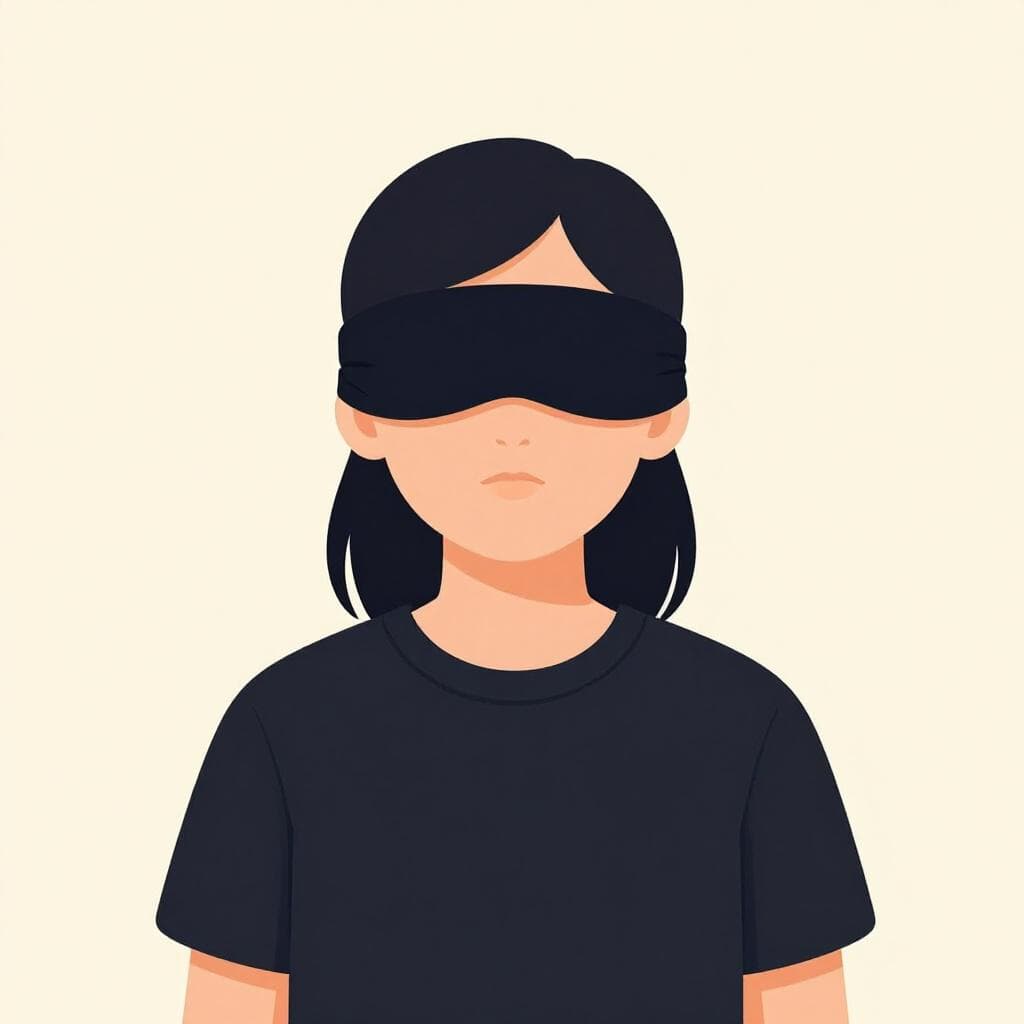


to blind
Also: to dazzle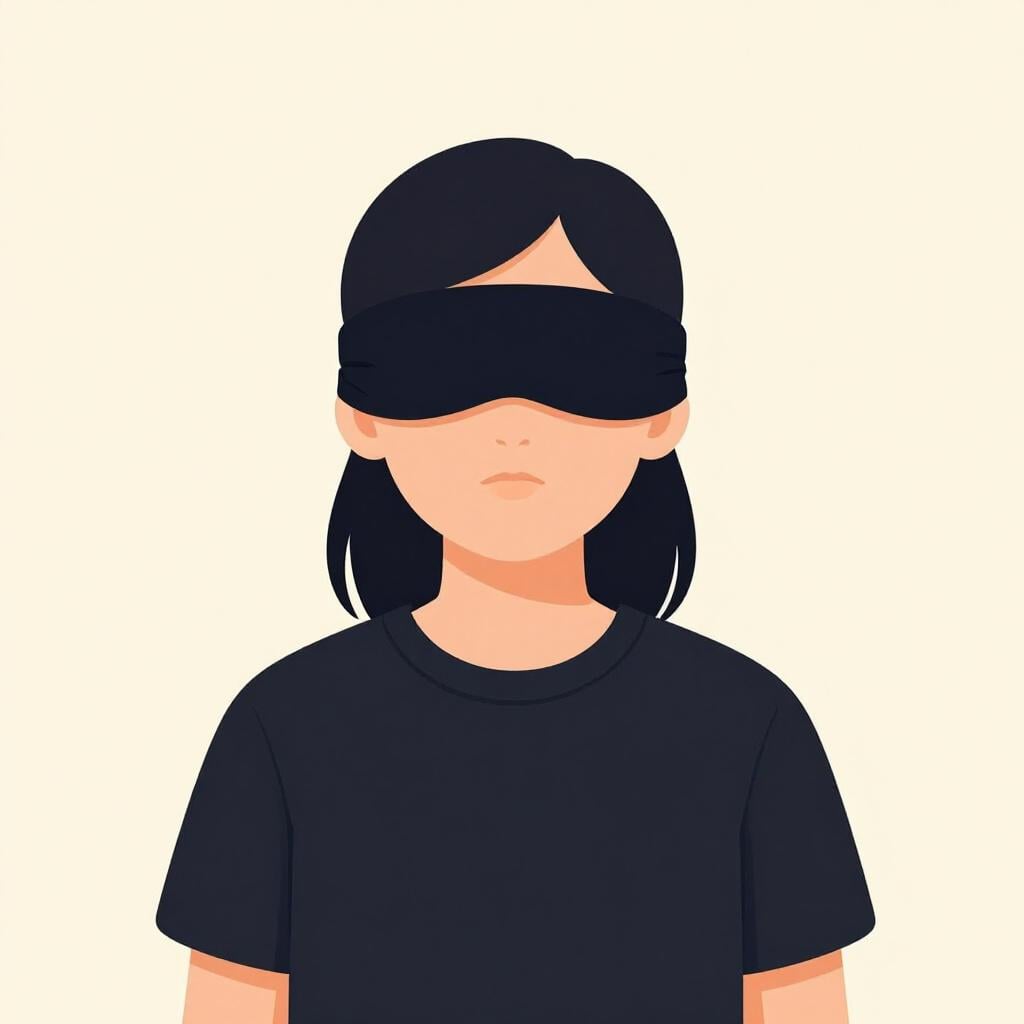
📝 In Action
La luz del sol me cegó por un momento.
A2The sunlight blinded me for a moment.
El flash de la cámara puede cegar a los bebés.
B1The camera flash can dazzle babies.
Ese reflejo es tan fuerte que ciega a los conductores.
B2That reflection is so strong that it blinds drivers.
to cloud one's judgment
Also: to blind
📝 In Action
El odio lo cegó y no pudo ver la verdad.
B2Hatred blinded him and he couldn't see the truth.
No dejes que la ambición te ciegue.
B2Don't let ambition cloud your judgment.
Estaba cegado por el amor.
B1He was blinded by love.
to block up
Also: to plug
📝 In Action
Decidieron cegar el pozo antiguo por seguridad.
C1They decided to fill in the old well for safety.
Cegaron la ventana con ladrillos.
C1They blocked up the window with bricks.
Subjunctive
Imperfect Subjunctive
Present Subjunctive
Indicative
Preterite
Imperfect
Present
Translate to Spanish
✏️ Quick Practice
Quick Quiz: cegar
Question 1 of 3
How do you say 'I blind' in Spanish?
📚 More Resources
👥 Word Family▼
📚 Etymology▼
From the Latin word 'caecāre', which comes from 'caecus' meaning blind.
First recorded: 12th century
Cognates (Related words)
💡 Master Spanish
Take your Spanish to the next level. Read 200+ illustrated and narrated Spanish stories tailored to your level with the Inklingo app!
Frequently Asked Questions
What's the difference between 'cegar' and 'deslumbrar'?
'Deslumbrar' is usually just a temporary dazzle from a bright light. 'Cegar' can be temporary, but it sounds more serious and can also mean to make someone permanently blind.
Does the 'e' always change to 'ie'?
No! It only changes when you stress that part of the word. In 'cegar' (to blind) and 'cegamos' (we blind), the stress is at the end, so the 'e' stays the same.
Can 'cegar' mean to close your eyes?
No. To close your eyes, use the verb 'cerrar los ojos'.