crío
“crío” means “kid” in Spanish. It has 2 different meanings depending on context:

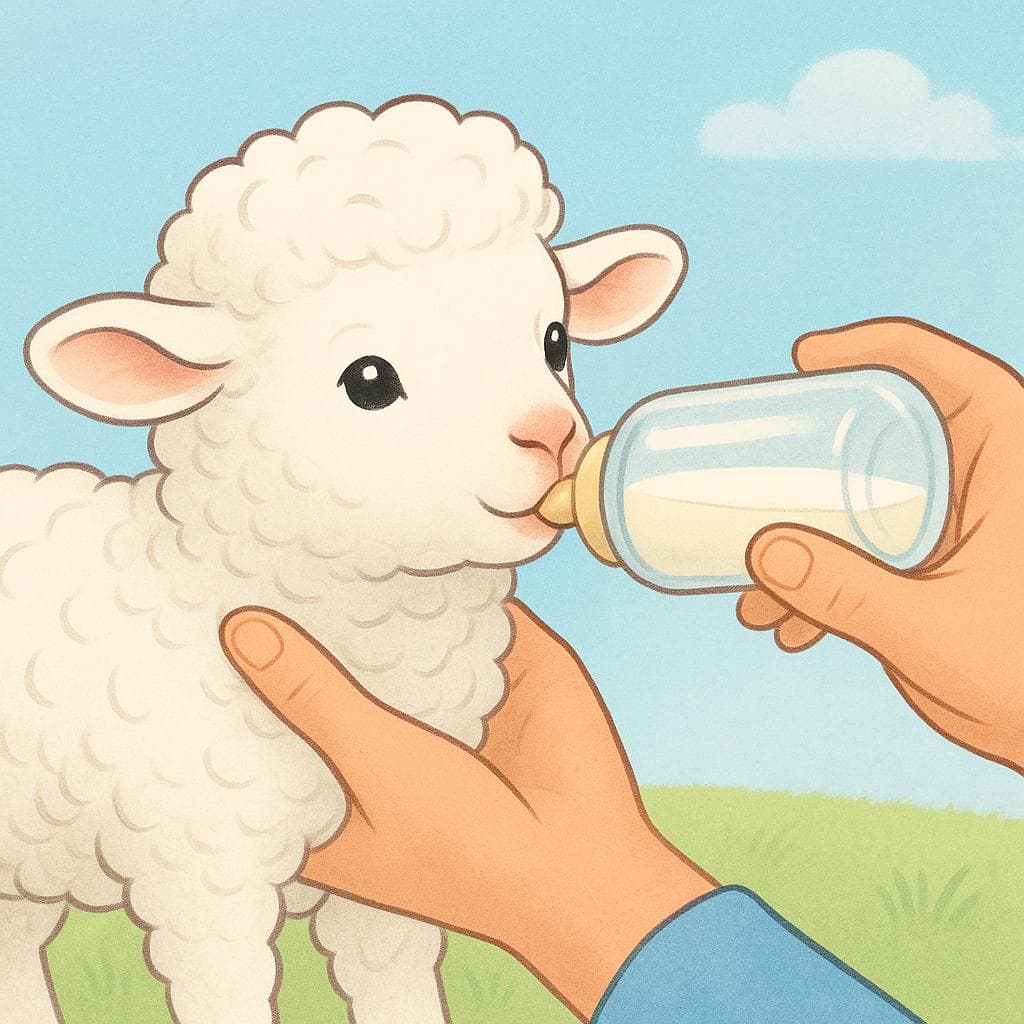
kid, child
Also: brat, baby
📝 In Action
Ese crío siempre está corriendo por la calle.
A1That kid is always running through the street.
Tengo dos críos que no paran quietos.
A2I have two kids who never sit still.
¡Qué crío más guapo!
A2What a handsome little boy!
I raise, I breed
Also: I nurse, I produce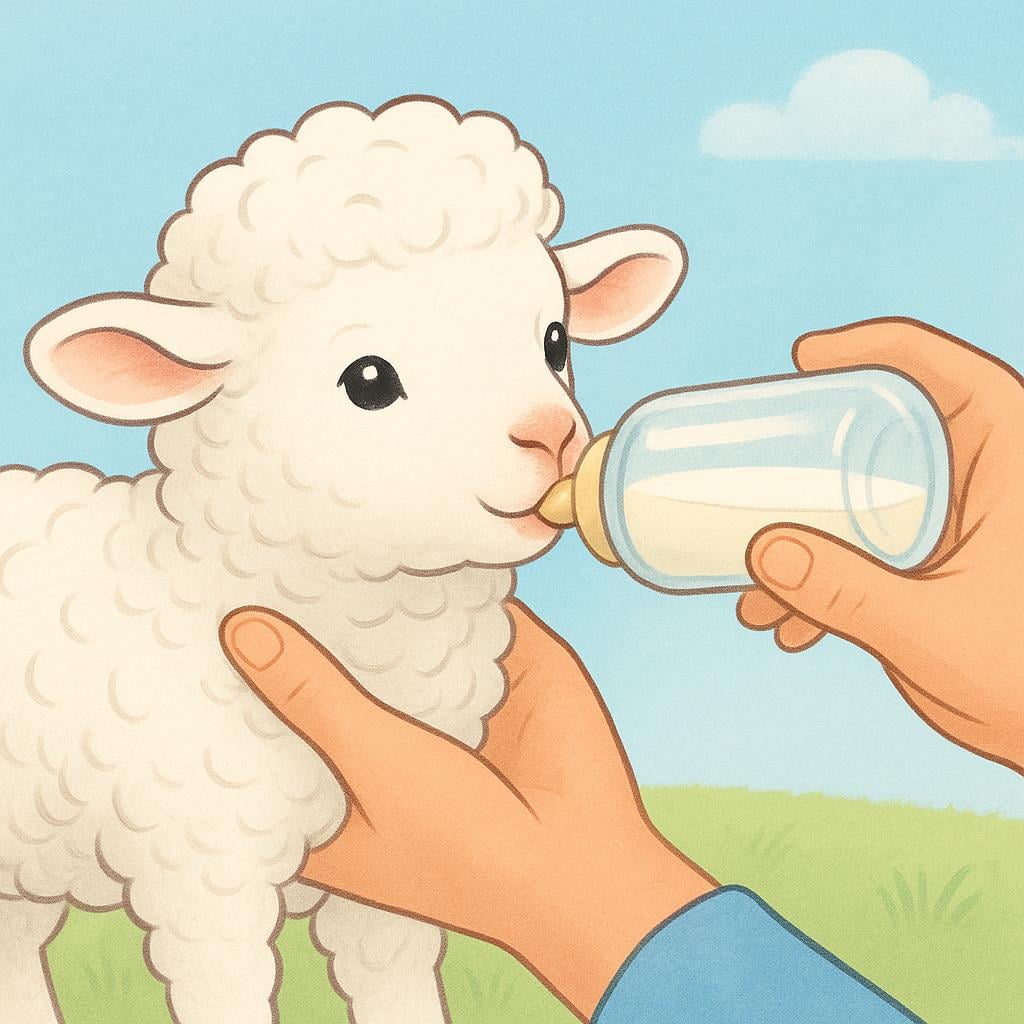
📝 In Action
Yo crío a mis hijos con mucha libertad.
B1I raise my children with a lot of freedom.
Crío gallinas en mi finca.
B1I breed chickens on my farm.
Subjunctive
Present Subjunctive
Imperfect Subjunctive
Indicative
Preterite
Imperfect
Present
Translate to Spanish
✏️ Quick Practice
Quick Quiz: crío
Question 1 of 2
If you say 'Yo crío ovejas', what are you doing?
📚 More Resources
👥 Word Family▼
🎵 Rhymes▼
📚 Etymology▼
From the Latin 'creare', which means 'to produce, create, or bring forth.'
First recorded: 13th century
Cognates (Related words)
💡 Master Spanish
Take your Spanish to the next level. Read 200+ illustrated and narrated Spanish stories tailored to your level with the Inklingo app!
Frequently Asked Questions
What is the difference between 'crío' and 'niño'?
'Niño' is the standard, neutral word for child. 'Crío' is more informal and common in Spain, similar to saying 'kid' in English.
Does 'crío' always have an accent mark?
Yes, when it means 'child' (noun) or 'I raise' (present tense verb), it always has an accent on the 'i' to show where the stress goes.