datar
“datar” means “to date” in Spanish. It has 2 different meanings depending on context:
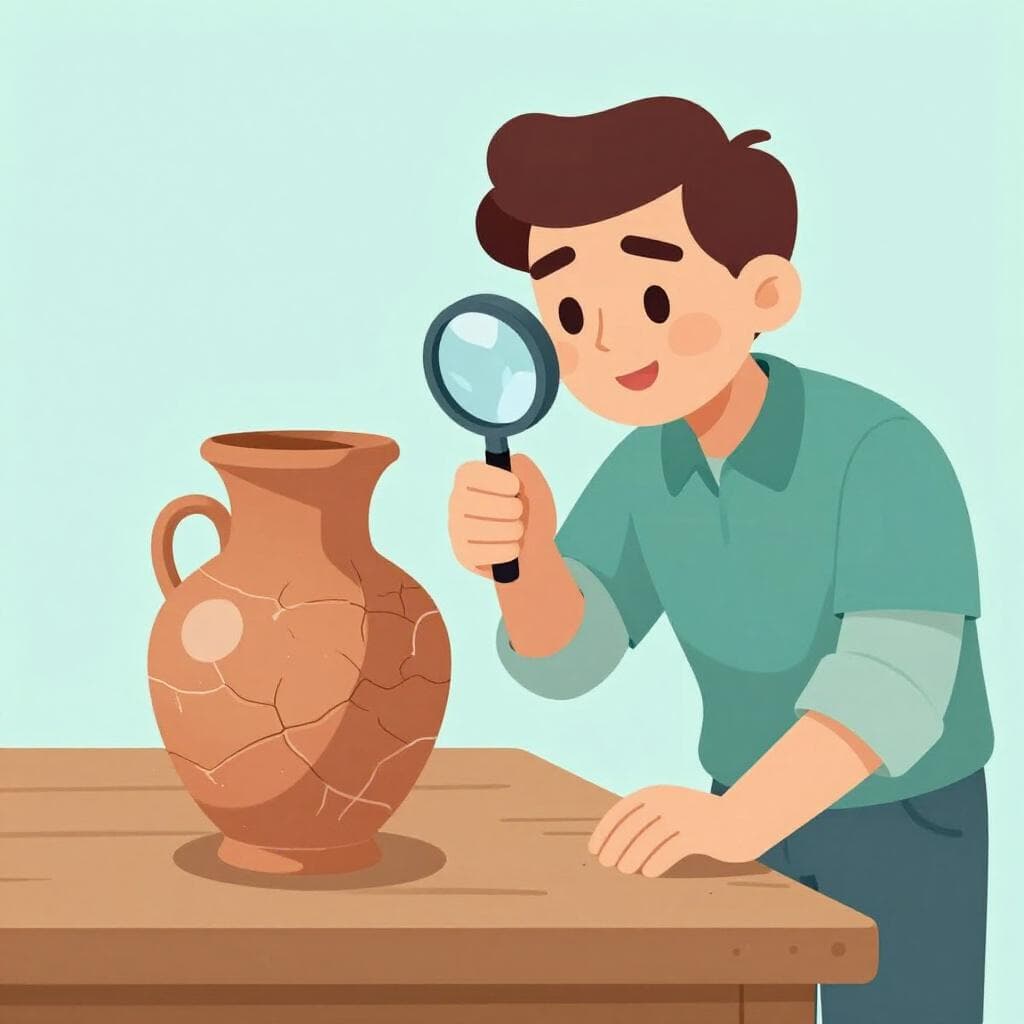

to date
Also: to date back to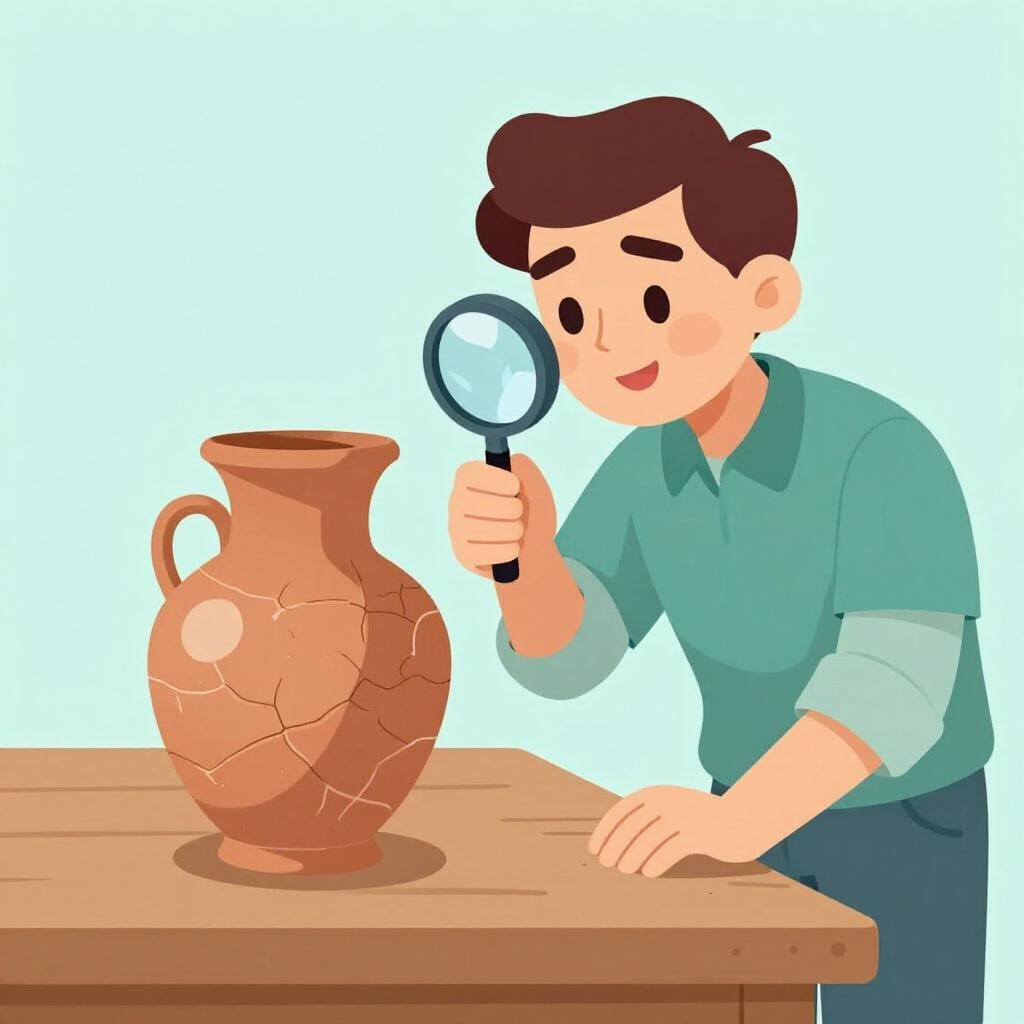
📝 In Action
Los científicos lograron datar el fósil en el periodo Jurásico.
B1Scientists managed to date the fossil to the Jurassic period.
Esta iglesia data del siglo doce.
B2This church dates back to the twelfth century.
Es difícil datar estas pinturas rupestres con precisión.
C1It is difficult to date these cave paintings accurately.
to credit

📝 In Action
El administrador debe datar las partidas de descargo en la cuenta.
C2The administrator must credit the discharge items in the account.
Subjunctive
Imperfect Subjunctive
Present Subjunctive
Indicative
Preterite
Imperfect
Present
Translate to Spanish
✏️ Quick Practice
Quick Quiz: datar
Question 1 of 3
Which sentence correctly says a building was built in 1950?
📚 More Resources
👥 Word Family▼
📚 Etymology▼
From the Latin word 'datum' (given), which was the first word used in ancient times to introduce the date and place where a document was written.
First recorded: 13th Century
Cognates (Related words)
💡 Master Spanish
Take your Spanish to the next level. Read 200+ illustrated and narrated Spanish stories tailored to your level with the Inklingo app!
Frequently Asked Questions
Is 'datar' used for putting a date on a letter?
Technically yes, but 'fechar' is much more common for everyday things like letters, checks, or school assignments.
Can I use 'datar' for people?
No, 'datar' is used for objects, buildings, or historical periods. To say you are 'dating' someone, use 'salir con' or 'ser novios'.
Is it 'data de' or 'data desde'?
The standard expression is 'data de'. While 'desde' means 'since', 'data de' is the fixed phrase used in Spanish to indicate origin.