How to Say "to date" in Spanish
The most common Spanish word for “to date” is “salir” — use this word when talking about romantically seeing or going out with someone on a regular basis.


salir
sah-LEERsaˈliɾ

Examples
Mi hermana está saliendo con su compañero de trabajo.
My sister is dating her coworker.
Ana está saliendo con un chico de su clase.
Ana is dating a guy from her class.
Ellos salieron durante dos años antes de casarse.
They went out for two years before getting married.
Always Use 'con'
To talk about dating, you must use 'salir con' followed by the person. 'Estoy saliendo con María' means 'I'm dating María'.
Dating vs. Going out with friends
Mistake: “Context confusion.”
Correction: The phrase 'salir con...' can mean dating or just going out platonically. The context tells you which is which. 'Salgo con mis amigos' means going out with friends. 'Estoy saliendo con Juan' almost always means dating.
citar
see-TAHRθiˈtaɾ

Examples
El dentista me citó para una revisión la semana que viene.
The dentist scheduled me for a check-up next week.
El médico me citó para el próximo lunes a las diez.
The doctor scheduled me for an appointment next Monday at ten.
El juez va a citar a los testigos mañana.
The judge is going to summon the witnesses tomorrow.
La citaron en la cafetería para hablar del proyecto.
They asked her to meet at the cafe to talk about the project.
Using the 'Personal A'
Since 'citar' involves a person receiving the action, you must use 'a' before the name: 'Cité a Juan' (I made an appointment with Juan).
Meeting vs. Summoning
While 'quedar' is for casual hangouts, 'citar' implies a specific, formal time and place has been set.
Citar vs. Tener una cita
Mistake: “Quiero citar con ella.”
Correction: Quiero tener una cita con ella (I want to have a date) or La cité (I made an appointment with her). Use the verb for the action of setting the time.
datar
dah-TAHRdaˈtaɾ
Examples
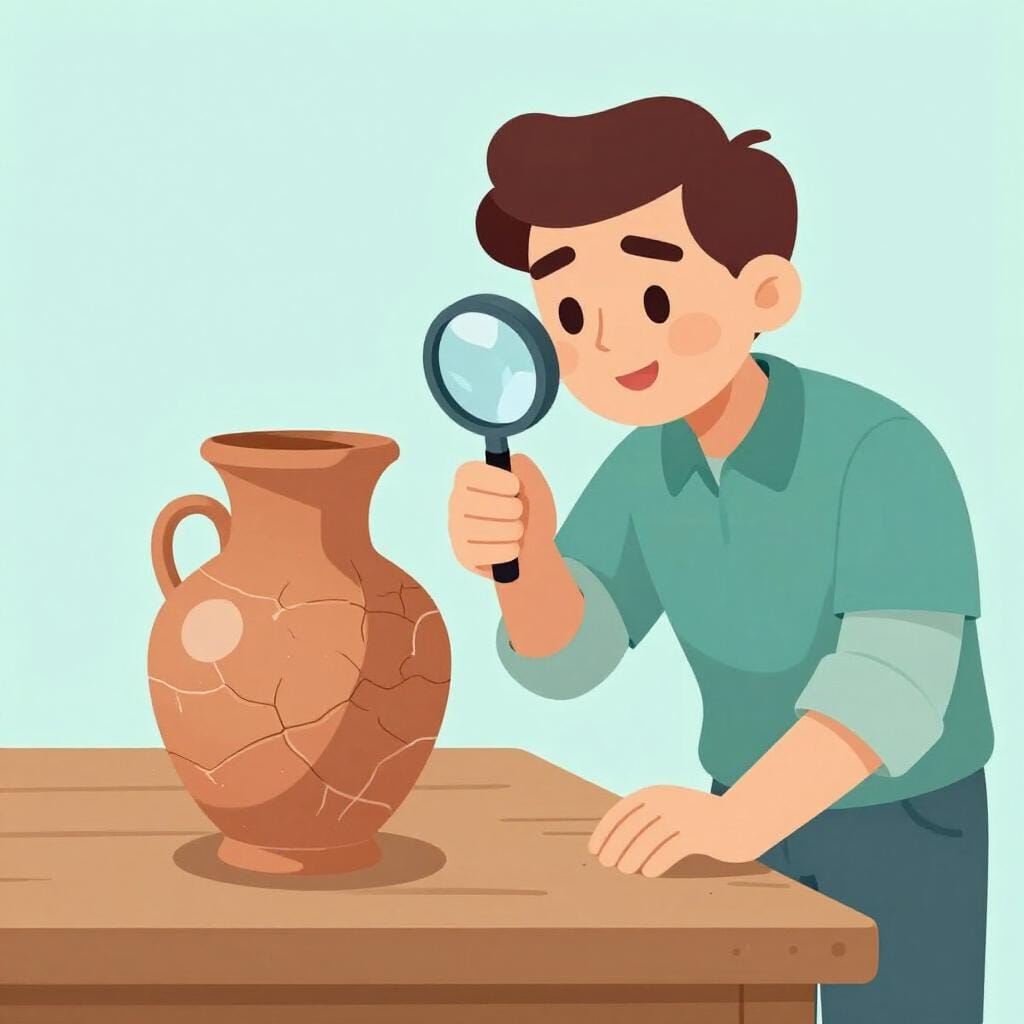
Los arqueólogos pudieron datar la cerámica encontrada en el sitio.
The archaeologists were able to date the pottery found at the site.
Los científicos lograron datar el fósil en el periodo Jurásico.
Scientists managed to date the fossil to the Jurassic period.
Esta iglesia data del siglo doce.
This church dates back to the twelfth century.
Es difícil datar estas pinturas rupestres con precisión.
It is difficult to date these cave paintings accurately.
Using 'data de' vs 'datar'
When you want to say something 'dates back to' a certain time, you must use 'data de' followed by the time period. If you are the person performing the action of figuring out the date, you just use 'datar'.
A regular verb
Good news! 'Datar' follows all the normal rules for verbs ending in -ar. There are no surprise spelling changes.
Missing the 'de'
Mistake: “La casa data 1800.”
Correction: La casa data de 1800. (Always use 'de' when stating when something originated).
Confusing Romantic 'Dating' with Scheduling
Related Translations
Learn Spanish with Inklingo
Interactive stories, personalized learning, and more.