dejaba
“dejaba” means “used to leave” in Spanish. It has 3 different meanings depending on context:

used to leave, was leavingAlso: was abandoning
📝 In Action
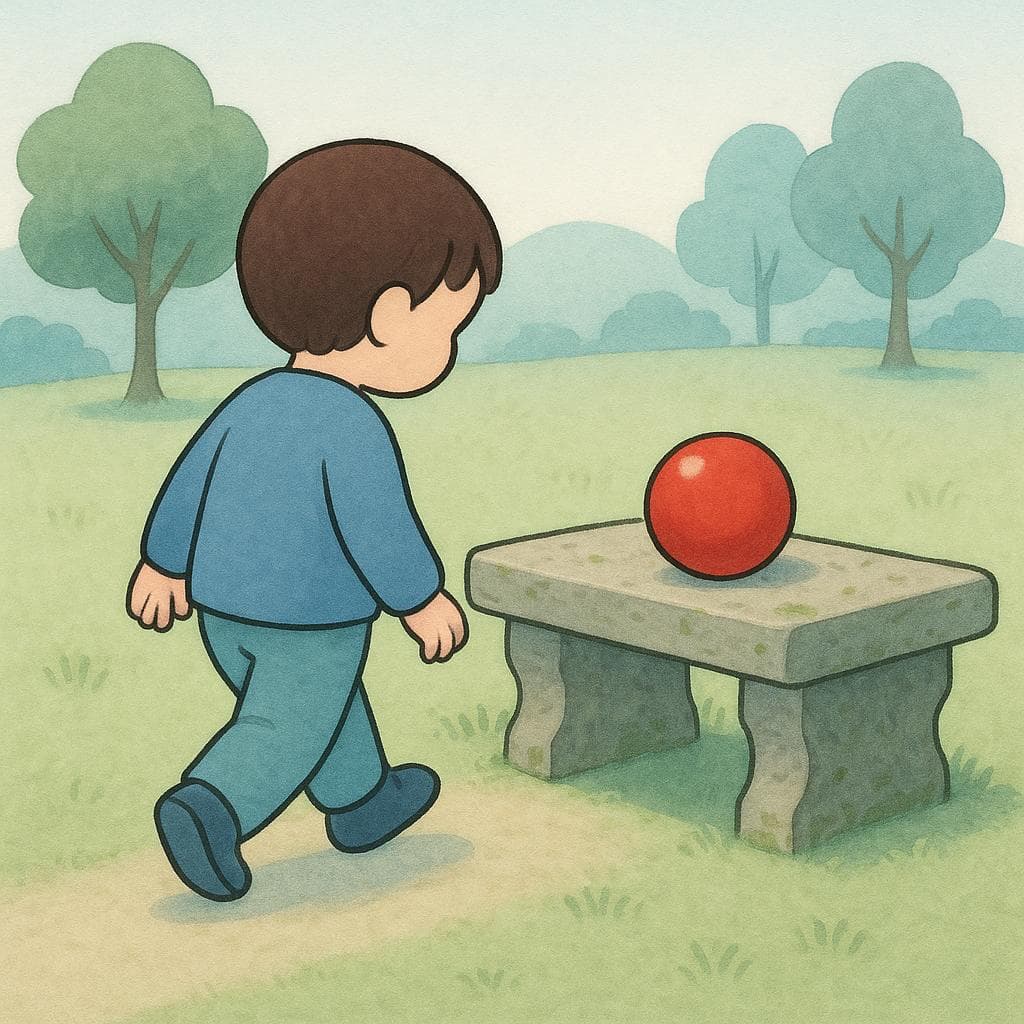
Yo siempre dejaba mi mochila junto a la puerta.
A1I always used to leave my backpack next to the door.
Él nunca me dejaba mensajes de voz.
A2He never used to leave me voice messages.
Word Connections
used to allow, was letting

📝 In Action
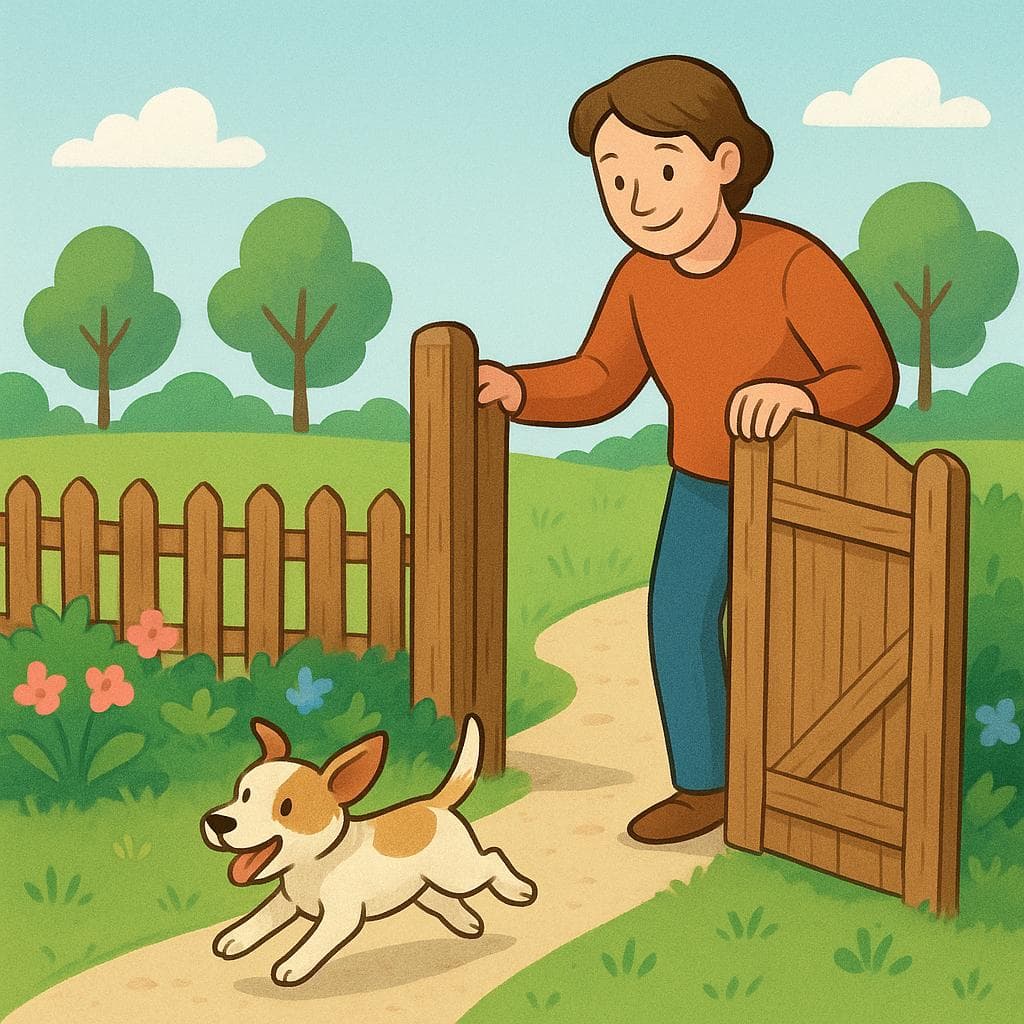
Mi madre nunca me dejaba ir a fiestas.
A2My mother never used to let me go to parties.
La ley dejaba que los ciudadanos votaran a los 18 años.
B1The law allowed citizens to vote at 18 years old.
Word Connections
used to stop, was quitting

📝 In Action
Cuando era niño, dejaba de comer dulces por una semana.
B1When I was a child, I used to stop eating sweets for one week (as a habit).
Ella dejaba de hablar cada vez que entraba el director.
B1She used to stop talking every time the director entered.
Word Connections
Indicative
Present
Imperfect
Preterite
Subjunctive
Present Subjunctive
Imperfect Subjunctive
Translate to Spanish
Words that translate to "dejaba" in Spanish:
✏️ Quick Practice
Quick Quiz: dejaba
Question 1 of 2
Which sentence uses 'dejaba' to mean 'used to allow'?
📚 More Resources
👥 Word Family
📚 Etymology
Comes from the Vulgar Latin verb *laxāre*, meaning 'to loosen' or 'to relax,' which evolved into the modern Spanish meaning of 'to let go' or 'to leave.'
First recorded: 10th century
Cognates (Related words)
💡 Master Spanish
Take your Spanish to the next level. Read 200+ illustrated and narrated Spanish stories tailored to your level with the Inklingo app!
Frequently Asked Questions
What is the difference between 'dejaba' and 'dejó'?
'Dejaba' (imperfect) describes a continuous or repeated action in the past ('He used to leave'). 'Dejó' (preterite) describes a single, finished action that happened at a specific time ('He left the keys yesterday').
How do I know if 'dejaba' means 'to stop' or 'to allow'?
It's easy! If you see the little word 'de' immediately after 'dejaba' (e.g., 'dejaba de comer'), it means 'to stop.' If 'de' is missing (e.g., 'dejaba comer'), it means 'to allow.'