desacuerdo
“desacuerdo” means “disagreement” in Spanish (a lack of consensus or harmony between people).
disagreement
Also: clash, discord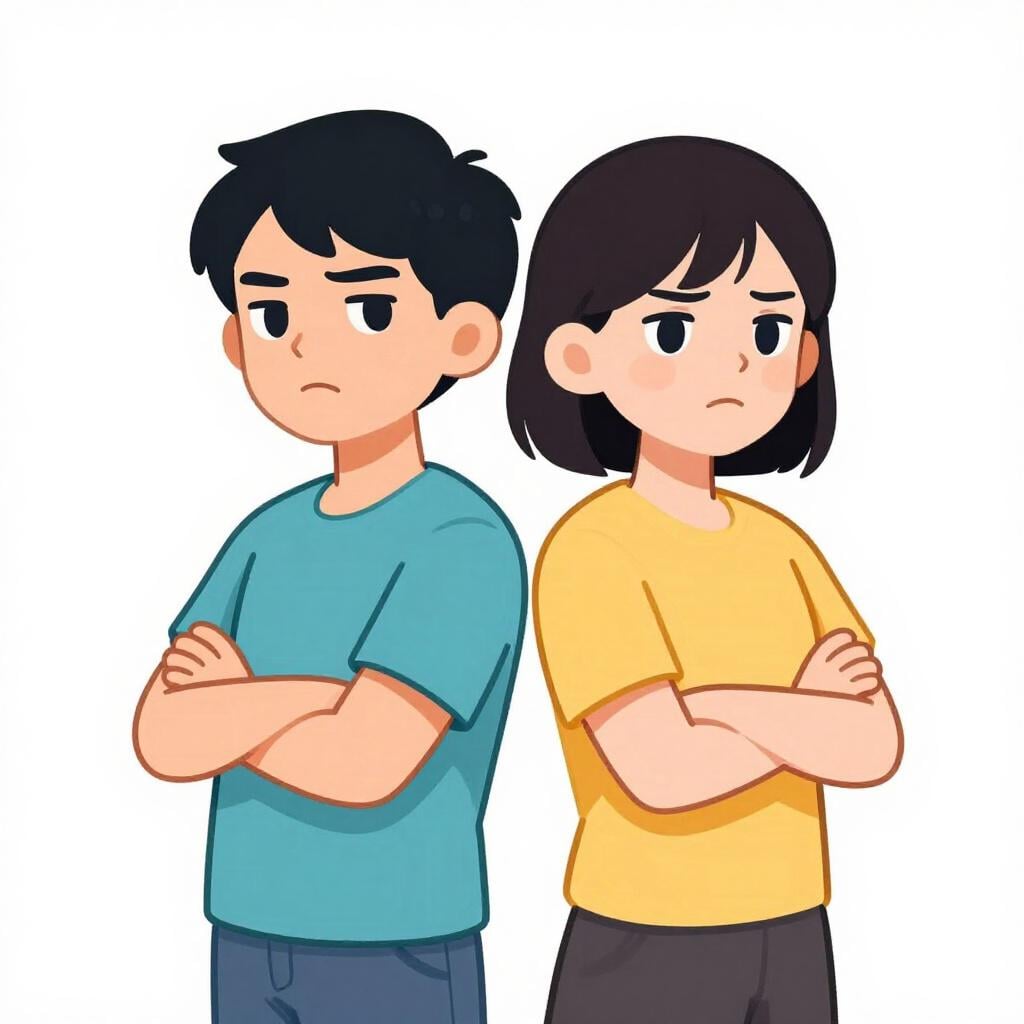
📝 In Action
Hay un pequeño desacuerdo sobre quién debe lavar los platos.
A2There is a small disagreement about who should wash the dishes.
Los científicos están en desacuerdo sobre la causa del fenómeno.
B1The scientists are in disagreement about the cause of the phenomenon.
Expresaron su desacuerdo con la nueva ley mediante una protesta.
C1They expressed their disagreement with the new law through a protest.
Translate to Spanish
✏️ Quick Practice
Quick Quiz: desacuerdo
Question 1 of 3
How do you say 'I disagree' naturally in Spanish?
📚 More Resources
👥 Word Family▼
📚 Etymology▼
From the prefix 'des-' (meaning 'not' or 'opposite') and the word 'acuerdo' (agreement). 'Acuerdo' comes from the Latin root 'cordis' (heart), so literally, it means 'not of one heart'.
First recorded: 13th century
Cognates (Related words)
💡 Master Spanish
Take your Spanish to the next level. Read 200+ illustrated and narrated Spanish stories tailored to your level with the Inklingo app!
Frequently Asked Questions
Is 'desacuerdo' stronger than 'discusión'?
Not necessarily. 'Desacuerdo' is the state of not agreeing on an idea, while 'discusión' usually refers to the actual act of talking or arguing about it.
Can I use 'desacuerdo' for things that don't match, like colors?
Usually, we use 'desacuerdo' for opinions and people. For things like colors or styles that don't match, 'desentonar' or 'falta de armonía' is better.
Does this word have a feminine form?
No, 'desacuerdo' is a masculine noun and stays 'el desacuerdo' regardless of who is speaking.