Inklingo

descansa

/des-CAN-sah/

rests

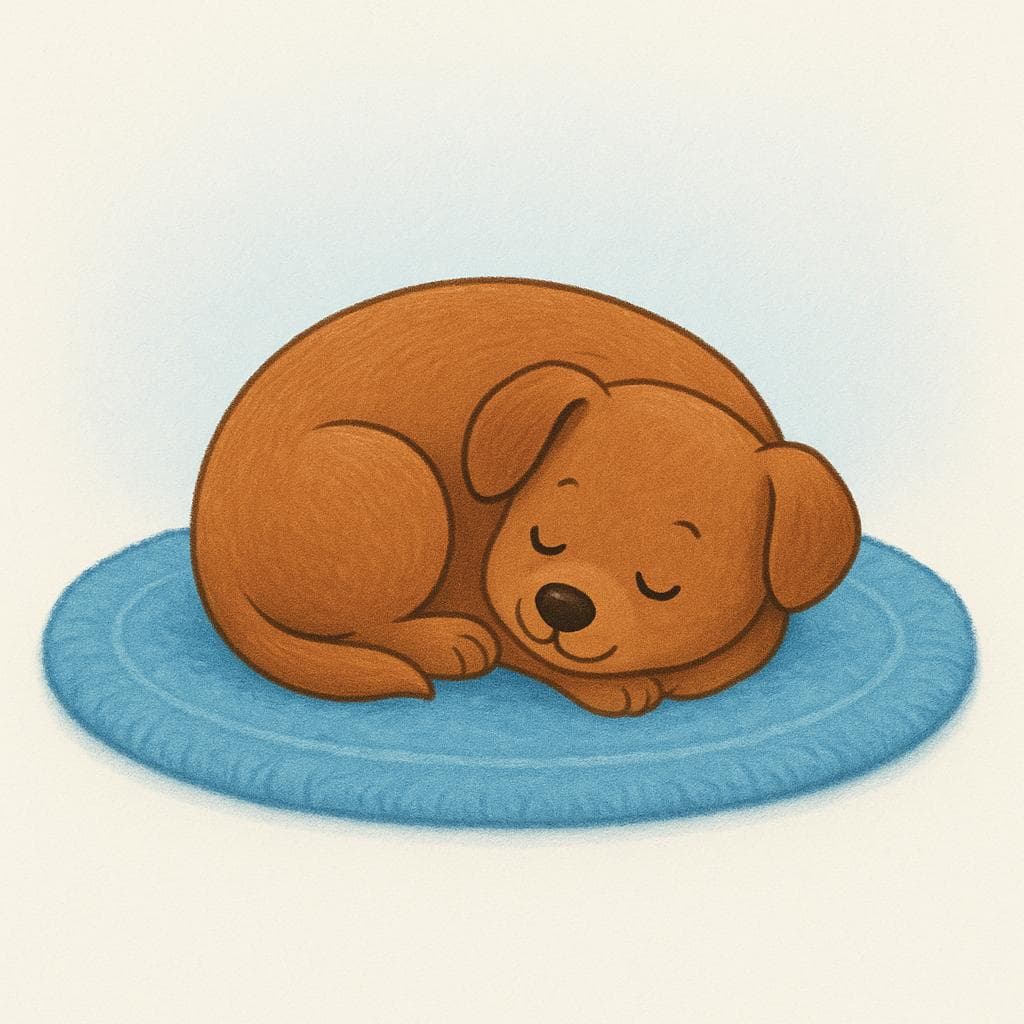
A peaceful illustration of a small dog sleeping soundly on a soft blue rug.

“Descansa” means “He/she/it rests.” This dog is resting deeply.

descansa(verb)

A1regular ar

rests

?

He/she/it rests

,

is resting

?

Continuous action

Also:

takes a break

?

Referring to a third person

📝 In Action

Mi abuelo siempre descansa después de almorzar.

A1

My grandfather always rests after lunch.

La máquina descansa un momento antes de seguir.

A2

The machine rests for a moment before continuing.

¿Usted descansa lo suficiente para estar saludable?

A1

Do you (formal) rest enough to be healthy?

Word Connections

Synonyms

  • reposa (rests)
  • relaja (relaxes)

Antonyms

Common Collocations

  • descansa en pazrest in peace
  • descansa en casarests at home

💡 Grammar Points

The 'He/She/It' Form

This is the standard form of the verb 'descansar' used when the subject is 'él' (he), 'ella' (she), 'eso' (it), or 'usted' (formal you). It describes a current or habitual action.

⭐ Usage Tips

Using 'Usted'

Remember that 'usted' (formal you) uses the same verb ending as 'él' and 'ella'. So, 'usted descansa' means 'you rest' (formal).

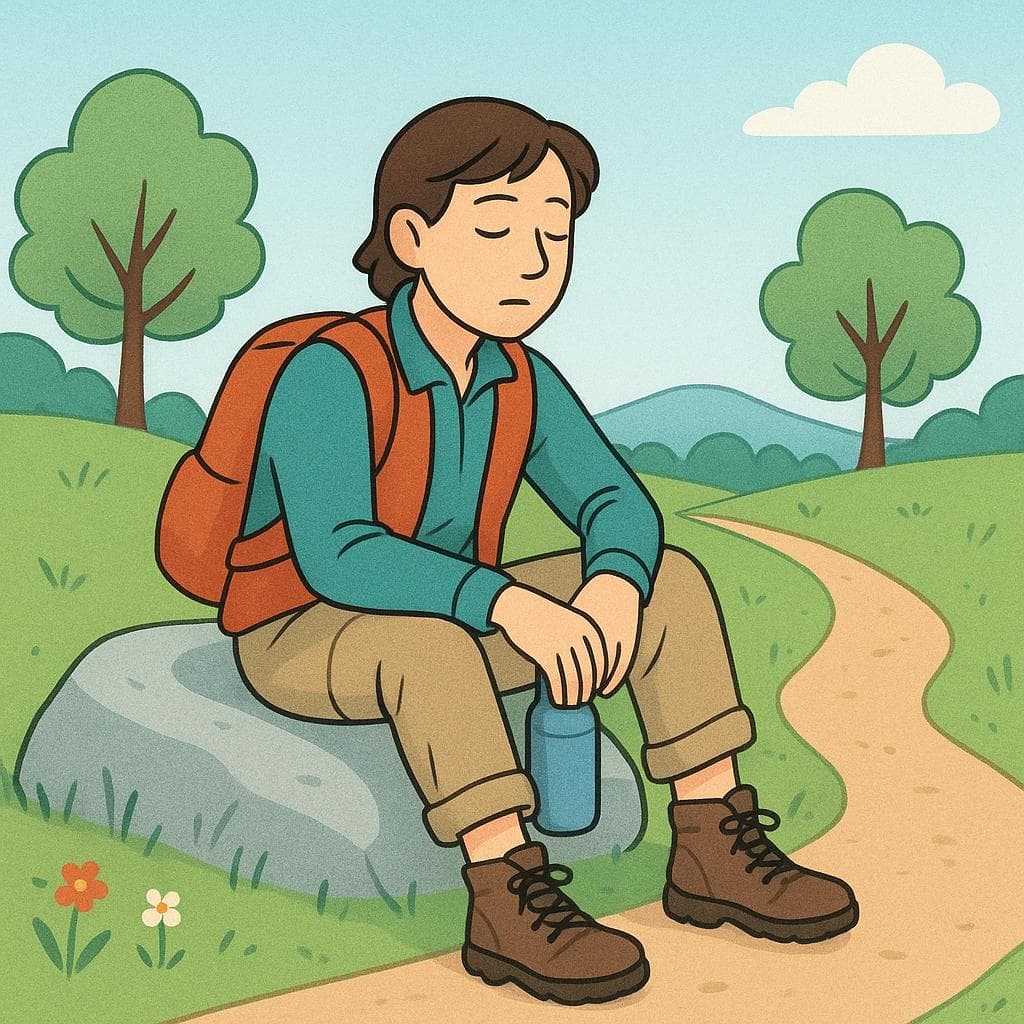
An illustration of a hiker sitting down immediately on a smooth rock next to a path, clearly taking an immediate break.

When used as an informal command, “Descansa” means “Rest!”

descansa(verb)

A2regular ar

Rest!

?

Informal command

,

Take a break!

?

Informal instruction

📝 In Action

Estás muy cansado, descansa un poco.

A2

You are very tired, rest a little.

¡Descansa! Yo me encargo del resto.

B1

Rest! I'll take care of the rest.

Si te duele la pierna, descansa y no juegues hoy.

A2

If your leg hurts, rest and don't play today.

Word Connections

Synonyms

💡 Grammar Points

The Informal Command

When you tell an informal 'you' ('tú') to do something, the verb form is often the same as the 'él/ella' present tense. So, 'descansa' means both 'he/she rests' and 'Rest! (you, informal)'.

❌ Common Pitfalls

Confusing Commands

Mistake: "Using 'descanse' when talking to a friend."

Correction: Use 'descansa' for informal friends and family. 'Descanse' is reserved for formal commands (to 'usted').

⭐ Usage Tips

Adding Emphasis

In speech, the command '¡Descansa!' is usually said with a strong, rising tone to show it's an instruction.

🔄 Conjugations

indicative

present

él/ella/usteddescansa
yodescanso
descansas
ellos/ellas/ustedesdescansan
nosotrosdescansamos
vosotrosdescansáis

imperfect

él/ella/usteddescansaba
yodescansaba
descansabas
ellos/ellas/ustedesdescansaban
nosotrosdescansábamos
vosotrosdescansabais

preterite

él/ella/usteddescansó
yodescansé
descansaste
ellos/ellas/ustedesdescansaron
nosotrosdescansamos
vosotrosdescansasteis

subjunctive

present

él/ella/usteddescanse
yodescanse
descanses
ellos/ellas/ustedesdescansen
nosotrosdescansemos
vosotrosdescanséis

imperfect

él/ella/usteddescansara
yodescansara
descansaras
ellos/ellas/ustedesdescansaran
nosotrosdescansáramos
vosotrosdescansarais

✏️ Quick Practice

💡 Quick Quiz: descansa

Question 1 of 2

Which sentence uses 'descansa' as a direct command?

📚 More Resources

Word Family

descansar(to rest) - verb

Frequently Asked Questions

How do I know if 'descansa' means 'he rests' or 'rest!'?

You can tell by the context and punctuation. If it's a command, it will usually start the sentence, be directed at the person you are talking to, and often end with an exclamation mark (¡Descansa!). If it means 'he/she rests,' it will follow the subject (Él descansa) or be used within a statement.