descuento
“descuento” means “discount” in Spanish. It has 2 different meanings depending on context:

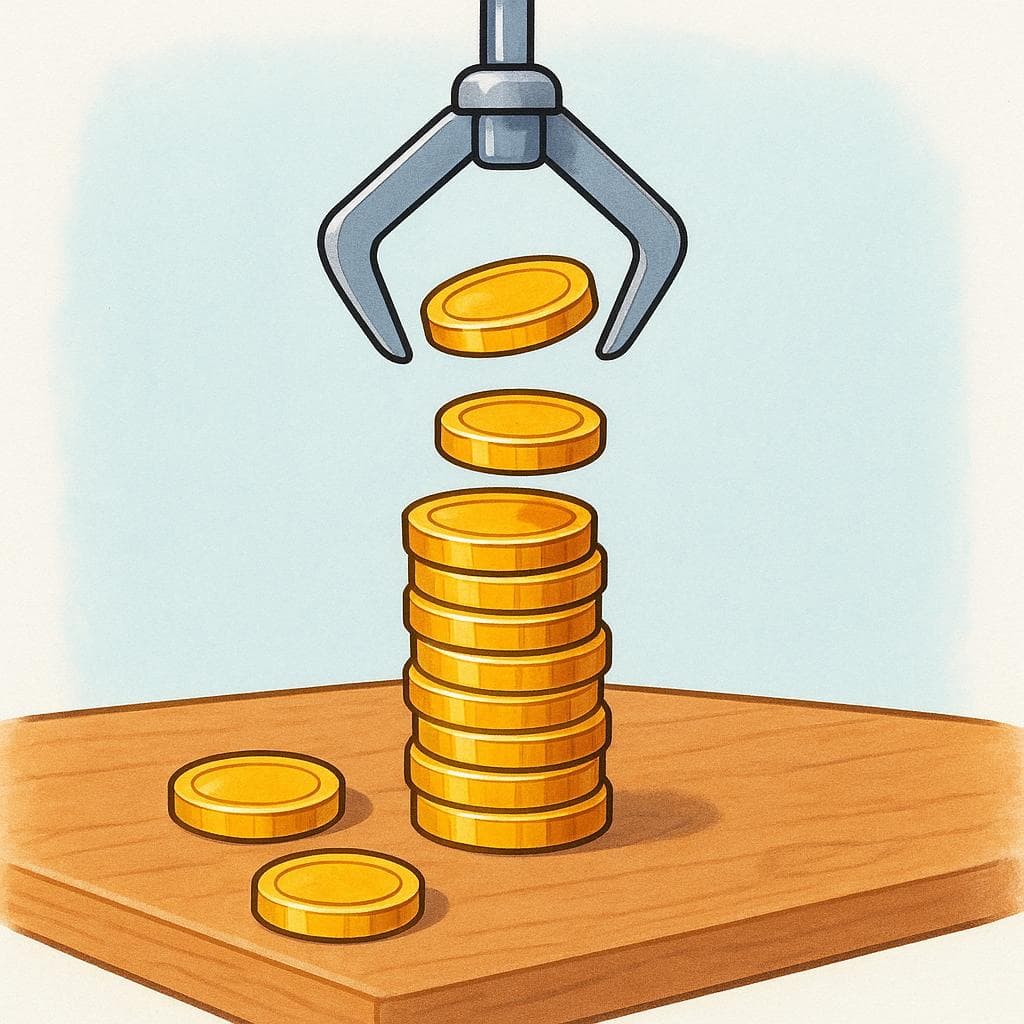
discount, sale
Also: deal, mark-down
📝 In Action
¿Hay algún descuento si pago en efectivo?
A1Is there a discount if I pay in cash?
Conseguimos un descuento del 20% en todos los zapatos.
A2We got a 20% discount on all the shoes.
¡Qué buen descuento! Voy a comprar dos.
A1What a great deal! I'm going to buy two.
deduction
Also: cash advance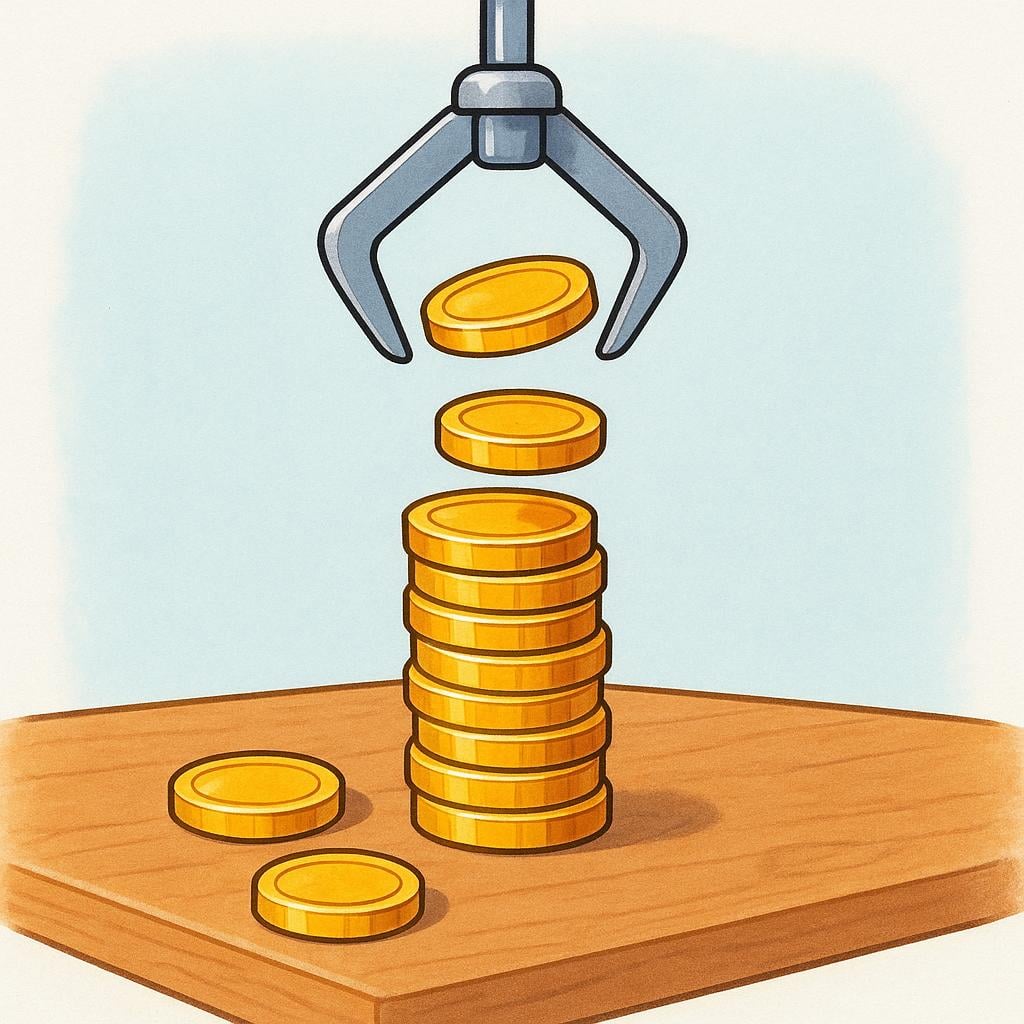
📝 In Action
Después del descuento de impuestos, su sueldo neto fue depositado.
B2After the tax deduction, his net salary was deposited.
El banco aplica un descuento a la factura antes de pagarla.
C1The bank applies a deduction to the invoice before paying it.
Translate to Spanish
✏️ Quick Practice
Quick Quiz: descuento
Question 1 of 2
Which sentence correctly uses 'descuento' in the context of shopping?
📚 More Resources
👥 Word Family▼
📚 Etymology▼
The word comes from the verb 'descontar' (to deduct). This verb combines the prefix 'des-' (meaning 'undoing' or 'taking away') and 'contar' (to count or calculate). It literally means 'to take away from the total count.'
First recorded: Late Middle Ages, derived from Latin roots.
Cognates (Related words)
💡 Master Spanish
Take your Spanish to the next level. Read 200+ illustrated and narrated Spanish stories tailored to your level with the Inklingo app!
Frequently Asked Questions
Is 'descuento' a noun or a verb?
It is most commonly used as a masculine noun meaning 'discount' or 'deduction.' However, it is also the 'yo' form of the verb 'descontar' (I deduct/discount), so context is key. If you see 'el descuento' or 'un descuento,' it is the noun.
How do I say 'big discount'?
You can say 'un gran descuento' or, more commonly, 'un descuento grande' or 'un descuento considerable' (a considerable discount).